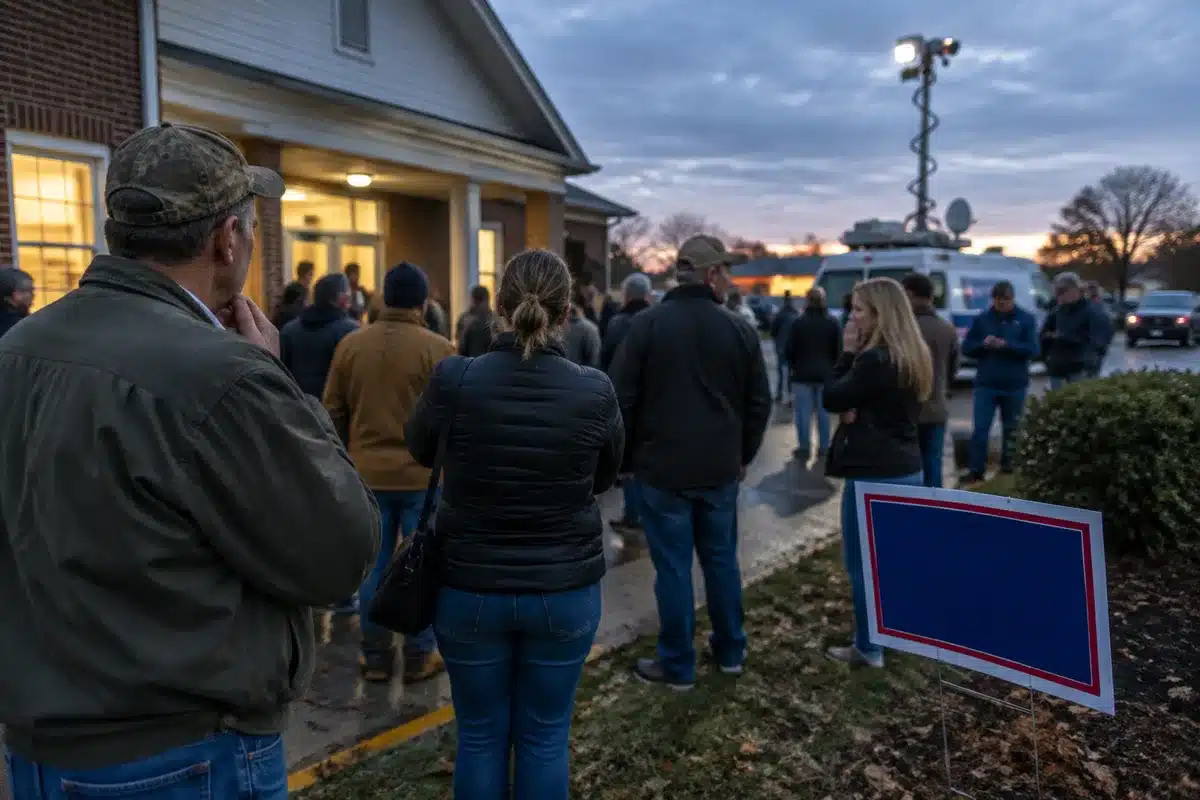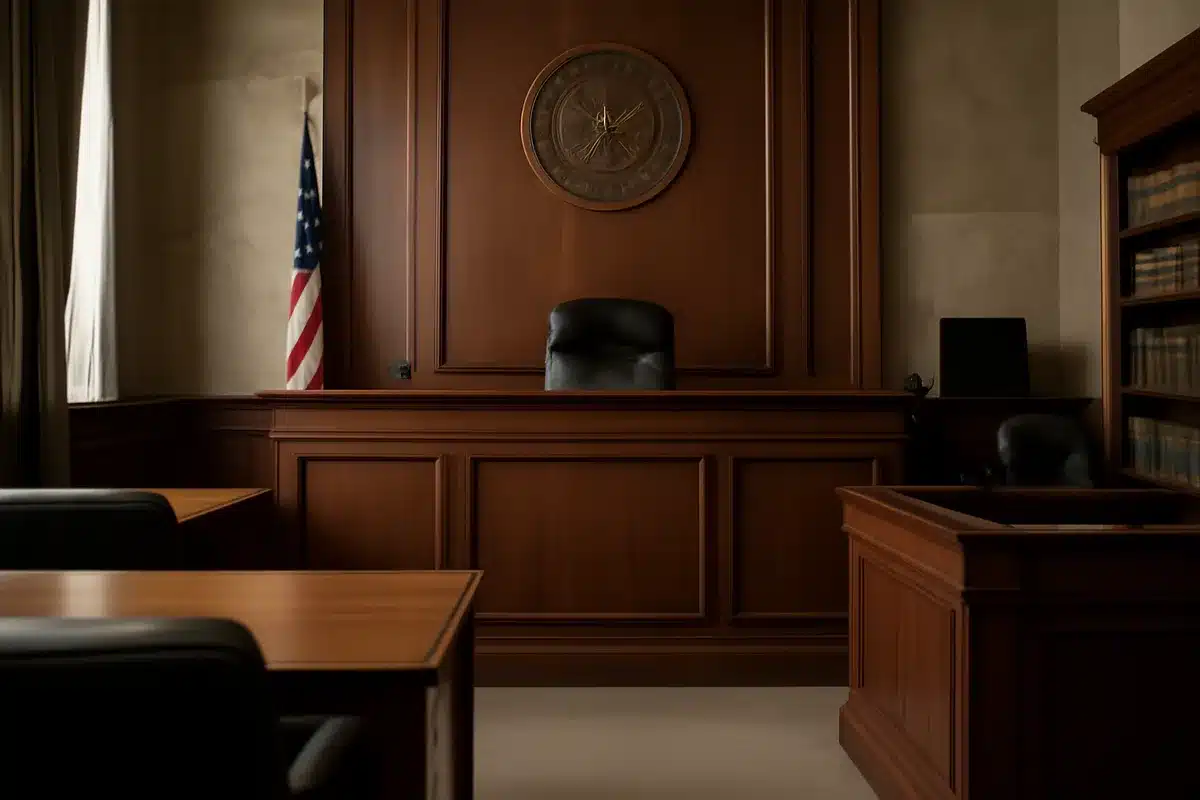
U.S. District Judge Indira Talwani issued a temporary restraining order on August 27 blocking new U.S. Postal Service mail-ballot requirements ahead of the 2026 midterm elections, marking the latest legal setback for the Trump administration’s efforts to restrict voting by mail.
The 14-day order prevents the Postal Service from refusing to deliver ballots from states that do not submit lists of eligible voters or comply with new envelope formatting requirements. Talwani found that the USPS “likely” lacks authority to regulate mail-in voting, writing that “Congress has not given the USPS authority to regulate mail-in voting” and that the new rule oversteps constitutional boundaries.
The ruling came just days after the Supreme Court’s August 24 decision allowed parts of President Trump’s executive order on mail-in voting to proceed. However, when the Trump administration then issued a formal rule through the Postal Service—rather than relying solely on the executive order—Talwani found grounds to block it again, stating that the administration had not offered “any evidence regarding fraudulent absentee or mail-in voting.”
Election officials across the country argued they cannot meet the new requirements before the midterms. “Plaintiff states have neither time nor funds to design new mail ballots, seek approval of the new designs, order production of mail ballots, update their own election management systems, train election officials to use the USPS portal and upload citizen data to the portal, all before the midterms,” Talwani wrote in her order.
This is the third time Talwani has blocked Trump’s mail-voting restrictions. She issued a preliminary injunction in June blocking parts of the original executive order, then another injunction in August before the Supreme Court intervened. The Supreme Court’s conservative majority did not rule on the constitutionality of Trump’s order but instead said Talwani had acted prematurely—a decision that prompted voting rights groups and Democratic-led states to refile their lawsuits once the formal USPS rule was published.

The constitutional question at stake involves which branch of government controls federal elections. Democrats and voting rights groups argue that the Constitution grants states, and in some cases Congress, the power to make election rules—not the president or the Postal Service. A federal court previously blocked Trump’s first executive order on elections, issued last year, which sought to change procedures such as requiring documentary proof of citizenship to register.
Nearly one-third of Americans vote by mail, according to election data cited in court filings. A 2025 Brookings Institution study found that mail voting fraud occurred in only about four cases out of every 10 million mail ballots cast. New York Attorney General Letitia James, one of two dozen Democratic attorneys general who filed suit, said in a statement that “this rule is a clear attempt by the federal government to interfere in elections it has no power to control.”
Talwani scheduled a hearing for September 3 to consider whether to extend the temporary restraining order into a longer preliminary injunction that would last through the election. The Trump administration is expected to appeal the ruling, potentially returning the case to the Supreme Court before the midterms on November 3.
Sources
- PBS News — Judge Talwani’s August 27 temporary restraining order blocking mail-ballot rule; details on timing, constitutional authority arguments, and election officials’ inability to comply
- Fox News — Judge Talwani’s temporary restraining order issued August 27; details on the 14-day block and latest court action
- NBC News — Talwani’s finding that USPS likely lacks authority to regulate mail-in voting and administration’s lack of fraud evidence
- The Hill — Talwani’s ruling and the sequence of court actions blocking Trump’s mail-voting order
- AP / Reuters — Background on Talwani’s previous injunctions in June and August, and the Supreme Court’s August 24 decision
- Brookings Institution (2025) — Mail voting fraud rate of approximately four cases per 10 million ballots cast