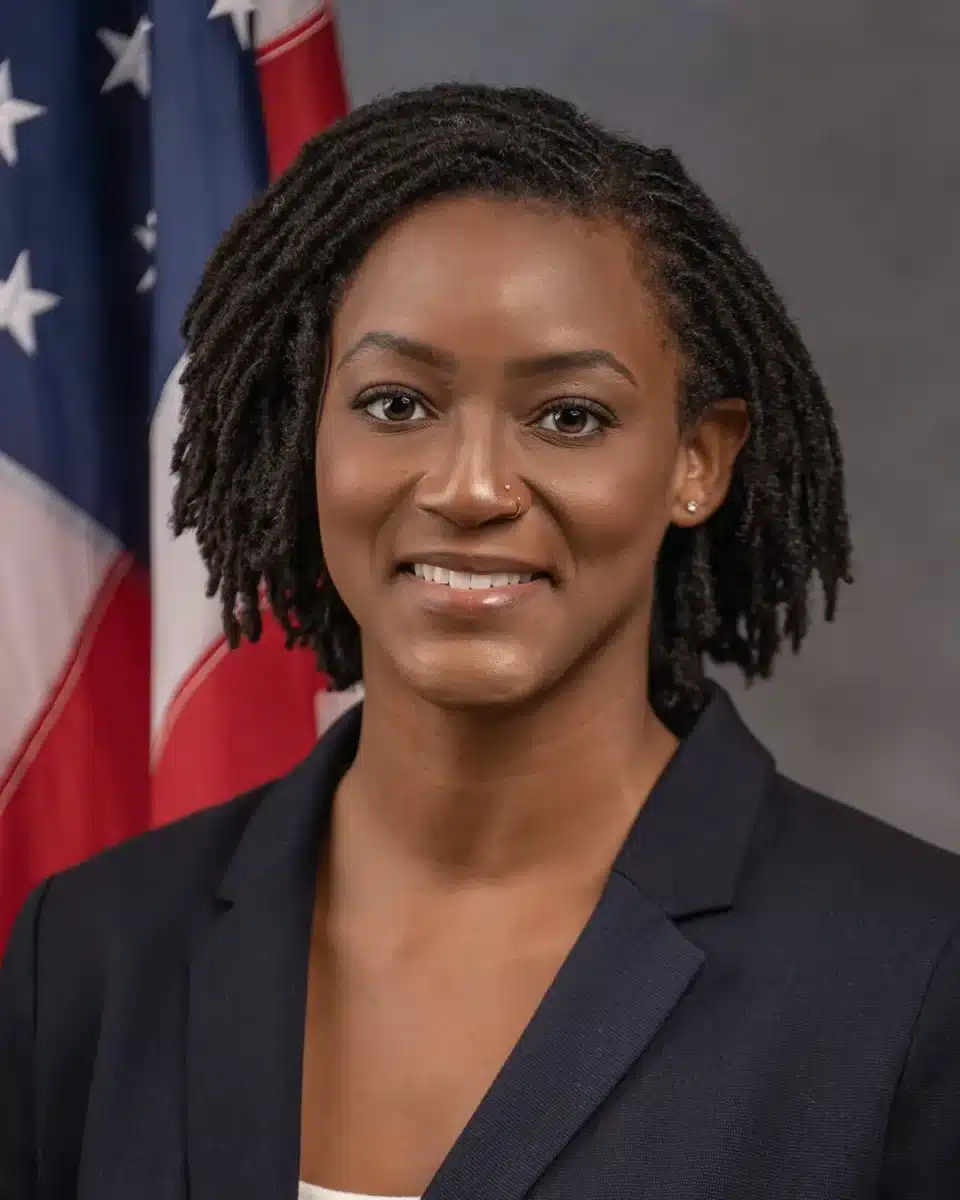
A federal judge in Massachusetts halted the Trump administration’s effort to restrict mail-in voting ahead of the midterm elections, issuing a 14-day temporary restraining order that blocks the U.S. Postal Service from enforcing key portions of a controversial new rule. U.S. District Judge Indira Talwani ruled Thursday that states and voting rights groups challenging the order are likely to succeed in proving the rule exceeds the USPS’s authority and violates the Constitution.
Talwani’s order blocks mandatory ballot-envelope standards, return-envelope standards, USPS portal registration, voter-enrollment requirements, and ballot-mail rejection rules tied to President Trump’s March 2026 executive order on mail voting. The judge found that election officials across the country lack the time and resources to redesign envelopes, obtain USPS approval, update systems, and train staff before November’s elections.

The ruling comes after a dramatic reversal at the Supreme Court. On August 24, the high court lifted a separate injunction blocking parts of Trump’s order, reasoning that courts should review final rules rather than proposed rules. Talwani seized on that distinction, writing that “now that the USPS has published the Final Rule, Plaintiffs’ challenges are ripe.”
The judge found that states and voters face irreparable harm if the rule takes effect. Many states have already ordered mail ballots, and some must begin sending them to voters as early as next week. Election officials say redesigning envelopes and complying with new federal requirements in such a compressed timeframe is logistically impossible.
In her ruling, Talwani noted that the record contains “no evidence regarding fraudulent absentee or mail-in voting,” undermining the administration’s justification for the restrictions. She concluded that the USPS’s interest in addressing an “unsubstantiated problem” is outweighed by the risk of widespread voter disenfranchisement, particularly among the millions of Americans who rely on mail ballots.
The legal battle over mail voting reflects a broader pattern of court challenges to Trump’s election-related policies. Multiple federal judges have blocked earlier versions of the mail-voting restrictions, and voting rights organizations have warned that the rule could disenfranchise tens of millions of voters. Election experts broadly agree that the Trump administration’s restrictions on mail voting face significant constitutional obstacles as the midterm elections approach.
The 14-day temporary restraining order gives both sides time to prepare for the next phase of litigation. The Justice Department has already filed an appeal, and the case is likely headed back to the Supreme Court before Election Day on November 3. The outcome could determine whether tens of millions of Americans can vote by mail in the 2026 midterms.
Sources
- Democracy Docket — Judge Talwani’s 14-day temporary restraining order blocking USPS mail-voting rule provisions, the judge’s findings on constitutional and authority grounds, and the lack of evidence for fraud claims.
- Votebeat — Details on the 14-day temporary restraining order and blocked provisions including ballot-envelope standards and voter-enrollment requirements.
- Politico — Timeline of Judge Talwani’s rulings and the Trump administration’s mail-voting restrictions.
- PBS NewsHour — The Supreme Court’s August 24 decision lifting the earlier injunction and Judge Talwani’s response.
- NBC News — Postal Service regulation blocking and its impact on the midterm elections.
- SCOTUS Blog — Supreme Court’s decision allowing Trump’s order to move forward for final rules.
- ABC News — Federal judge’s temporary block on Trump administration’s mail-voting order and the administration’s appeal.