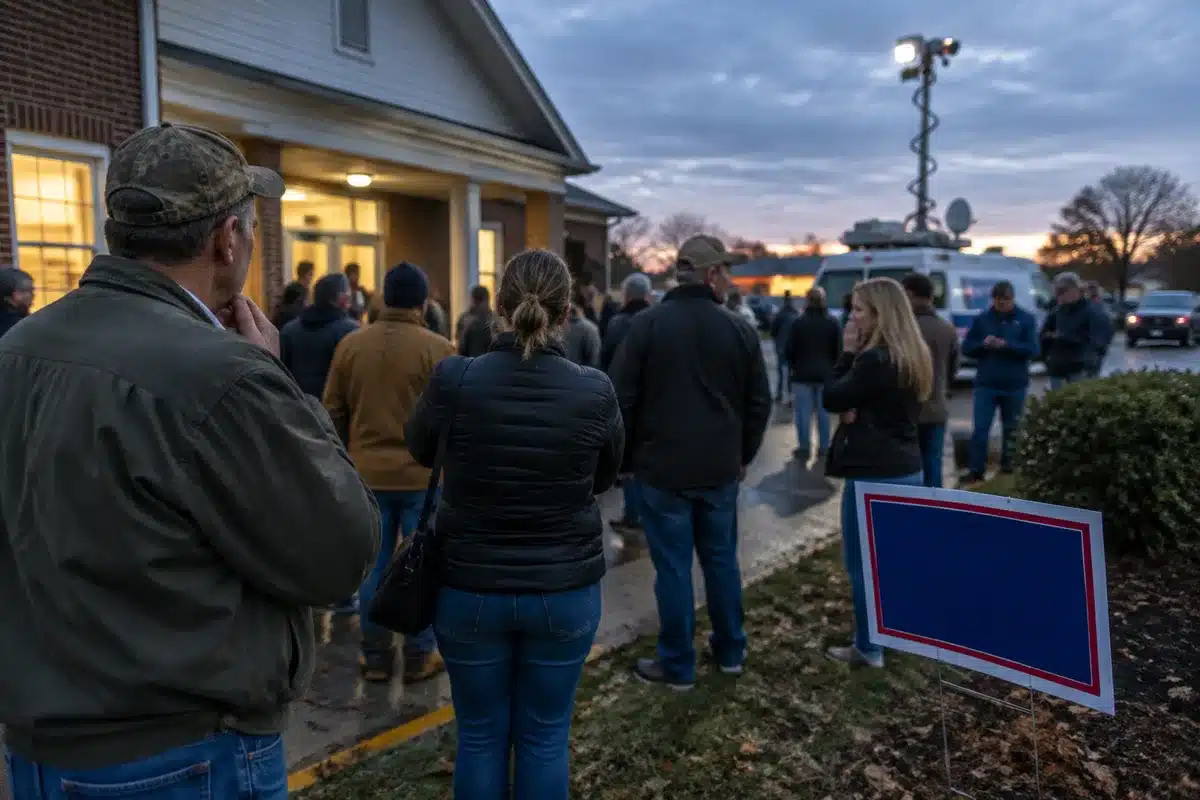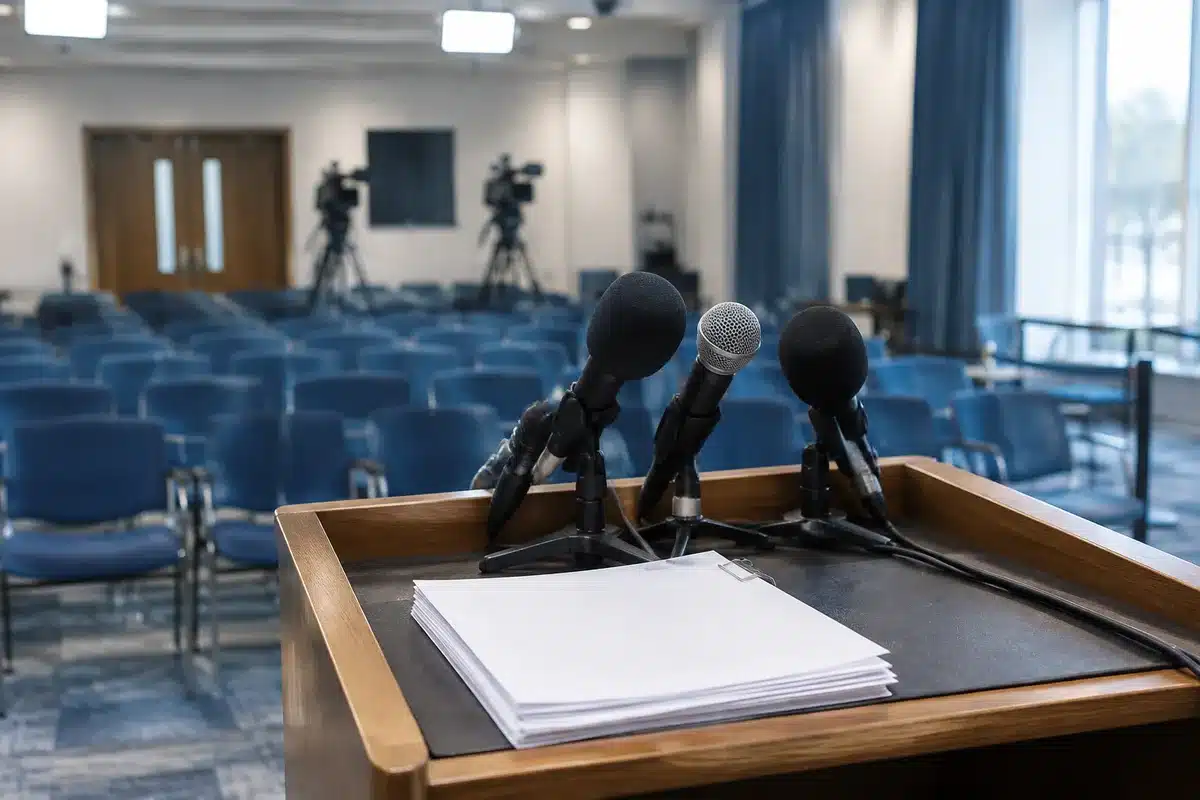
A Politico survey of more than 70 GOP candidates and members found that most are either skipping Trump’s Dallas convention next week or still weighing whether to attend, with 45 Republicans declining to commit to the September 9-10 event at American Airlines Center. The hesitation over Trump’s midterm convention underscores growing tension within the Republican Party as vulnerable candidates weigh the risks of close association with a polarizing president just two months before Election Day.
Candidates cited a mix of reasons for their reluctance. Some pointed to prior obligations—fundraisers and district events scheduled before the convention was announced in June. Others cited personal conflicts like weddings and family events, while still others balked at the five-figure-minimum fees the National Republican Congressional Committee is requesting. The NRCC is asking House members to donate $25,000 minimum to attend, with higher tiers reaching $100,000.
But the most telling reason some Republicans are staying home is their concern about Trump’s impact on their own races. Rep. Tom Barrett of Michigan, facing a tough reelection campaign, explained his calculus plainly: “I can’t control what the president’s going to say at the convention, but I can control where I’m at.” Rep. Zach Nunn of Iowa and Rep. Jeff Hurd of Colorado similarly indicated they would stay in their districts rather than travel to Dallas. Rep. Nick LaLota of New York said he planned to visit colleges with his daughter instead.
With Trump front and center at the convention, some Republicans are privately fretting about his slipping approval ratings amid ongoing conflicts in Iran, a trade war with Canada, and rising prices. One House Republican granted anonymity called the event “a waste of time” and criticized the planning as “a mess,” arguing that “you shouldn’t be having to rally your base at this point. You should be trying to convince independents. Independents are not attending nor watching the midterm convention.”

The convention itself represents unprecedented political territory. It is the first-ever Republican midterm convention held by a major party in more than four decades, scheduled for just two days—half the length of a traditional convention. There will be no delegates and no votes on party nominees or platform issues. Vice President JD Vance will deliver the keynote on Wednesday, with Trump speaking Thursday night. Most top House and Senate GOP leaders, including Speaker Mike Johnson and Senate Majority Leader John Thune, are expected to attend, along with some potential 2028 presidential contenders like Sen. Ted Cruz.
Political experts question the convention’s purpose and effectiveness. UT Dallas political science professor Thomas Gray told KERA News that the event signals Republican concern over polling in key races, particularly in Texas, where recent surveys show Democratic state Rep. James Talarico leading Republican Texas Attorney General Ken Paxton 42% to 39%. But Gray cautioned that conventions typically produce only a small, temporary bump in polls that fades within two to three weeks. Houston Public Media reported that experts expect the convention’s impact on polls to be “negligible,” especially given voter preoccupation with inflation and the war in Iran.
The RNC has promoted the event as a historic gathering to energize the Republican base and build momentum for the midterms. RNC Chairman Joe Gruters called it a “Trumpapalooza” and said in a statement that “President Trump will unite Republicans around our shared vision, build momentum, and deliver an incredible convention for our party.” RNC national press secretary Natalie Baldassarre said “the outreach and enthusiasm to attend, participate, and speak at this historic midterm convention has been incredible.”
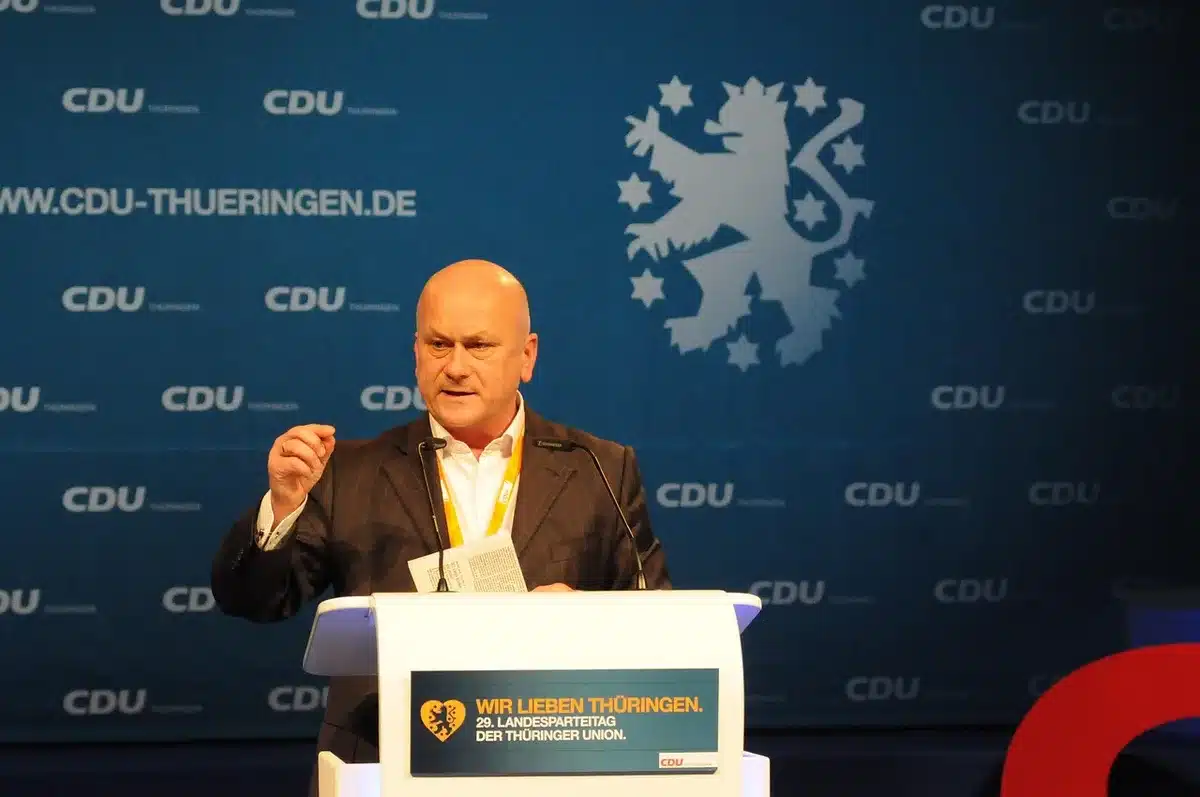
Yet critics within the GOP have aired six major grievances. Beyond the timing conflict with NFL season-openers and the 9/11 anniversary, the convention was poorly planned, with invitations sent only weeks before after lawmakers had already committed to other events. The logistics of pulling candidates off the campaign trail for several days in early September heat, combined with the expensive ticket requirements, have dampened enthusiasm. And some worry the convention will inevitably revolve around Trump’s unpopular presidency and record, with the president as likely to boast about his White House ballroom or dismiss affordability concerns as to promote the party’s most popular policies.
The hesitation reflects a broader Republican dilemma. Party strategists believe they need to mobilize Trump’s base to have any chance in the midterms—the party in power historically loses seats in midterm elections. But Trump’s low approval ratings in swing districts create political peril for candidates already struggling with voter concerns about the economy and foreign policy. For vulnerable Republicans, the convention represents a high-cost, high-risk gamble with uncertain returns.
Sources
- POLITICO — survey of more than 70 GOP candidates showing 45 do not plan to attend, reasons cited, candidate quotes, NRCC donation tiers
- Houston Public Media — expert analysis from UT Dallas and SMU political science professors on convention purpose, polling impact, voter concerns
- New York Magazine — six reasons Republicans dread the convention: poor timing, cost, planning failures, Trump focus
- Associated Press — Trump and Vance keynote speaker assignments, convention dates and location
- Republican National Committee — convention dates, location (American Airlines Center, Dallas), September 9-10, 2026