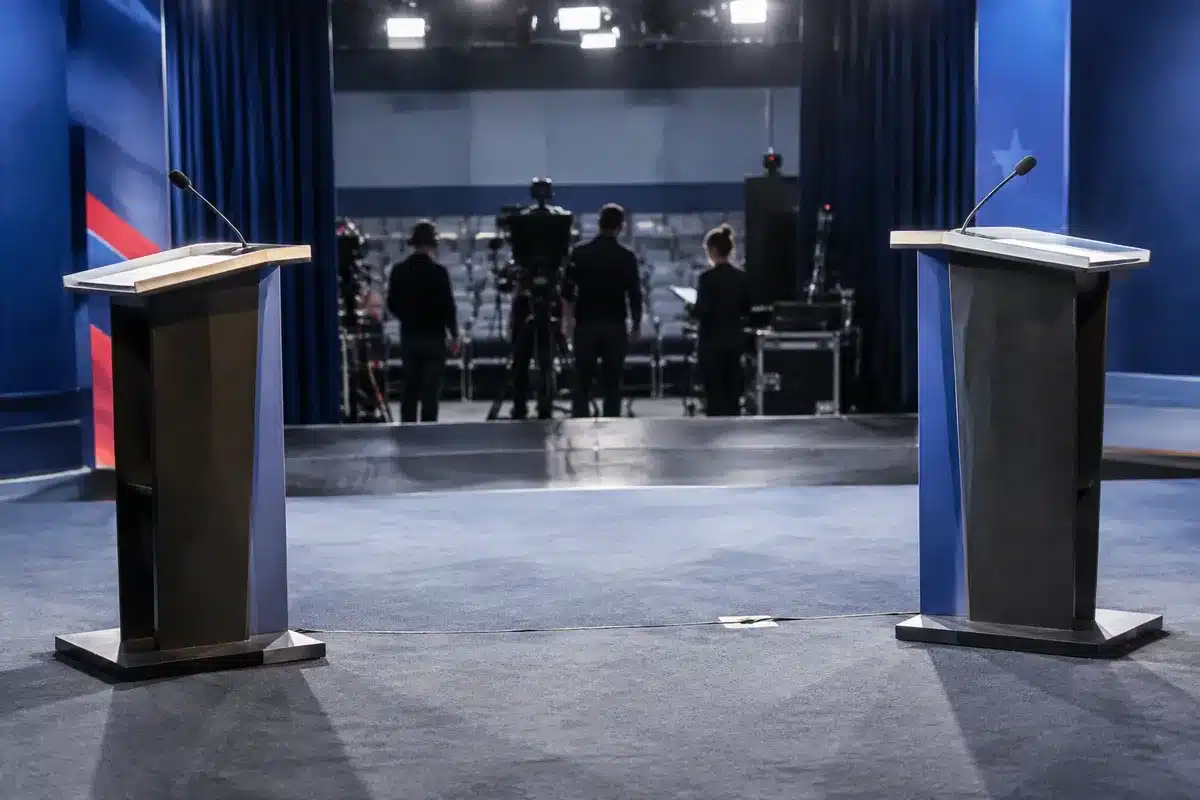
Republicans are privately questioning whether their first-ever midterm convention, scheduled for September 9-10 in Dallas, strikes the right tone and timing as the party struggles with voter anger over the cost of living and an unpopular war in Iran, according to CNN reporting published today. The convention, which President Trump has promoted as essential to energize GOP voters before November’s elections, now faces doubts from party strategists, donors, and lawmakers over its cost, logistics, and oversized focus on the president.
The Dallas convention will carry substantial public costs. The city announced it will pay nearly $2 million in police security, with council members questioning reimbursement arrangements and security planning, according to NBC Dallas and Houston Public Media reporting from August 25. The Republican National Committee has instructed state parties to use the convention as a fundraiser, with delegate ticket prices ranging from $1,300 in Alabama to $250,000 for “golden VIP” packages in California, according to Politico reporting from July 9.

House members face entrance fees of $25,000 and up, though some party officials downplayed the charges as standard fundraising requests, CNN reported. One GOP donor told CNN the convention “seems to just be five hours of speeches,” signaling skepticism about the event’s value and programming. Texas-based Republican consultant Reb Wayne told CNN, “I’ve heard people say, why are we doing this? What’s going on? It was a good idea at the time, but as we’ve gotten closer to it, I’m not sure it’s going to serve much benefit.”
The timing compounds concerns. The convention overlaps with the opening nights of the NFL season—the most-watched sport in America—and with 9/11 commemorations, potentially fragmenting viewership and drawing candidates away from their districts just weeks before Election Day. CNN reported that some lawmakers have griped about being pulled from the campaign trail during a critical period, though others argued that vulnerable Republicans’ fates are already intertwined with Trump’s unpopularity.
Trump’s approval rating sits at 33%, the lowest of his presidency, according to reporting from August 20. The political climate has shifted markedly since the convention was announced last year. Republicans face historical headwinds—the party holding the White House traditionally loses seats in midterms—compounded by voter dissatisfaction with the country’s economic trajectory and the ongoing Iran war. A Republican lawmaker told CNN, “What is always the biggest issue when Trump is not on the ballot? Voters don’t show up.”

The core tension is structural: Republicans conceived the midterm convention as a way to energize the MAGA coalition that delivered Trump’s 2024 victory, yet strategists worry that centering the event on an unpopular president could backfire. CNN reported that some GOP officials cringed at the prospect of focusing more attention on Trump’s presidency and record when the party needed to highlight candidates and policy wins. One source told CNN, “The president is just as likely to spend his own speech boasting about his White House ballroom and dismissing affordability concerns as he is promoting the most popular elements of the party’s agenda.”
Initial ticket prices also signaled trouble. Premium packages sold for as much as $20,000 when announced in July, but Texas Republicans slashed those prices as enthusiasm cooled, according to reports from the Dallas Morning News. Some state parties have offered volunteer pathways for those unable to afford tickets, trying to broaden attendance.
The RNC approved a rule change in January 2026 allowing a midterm convention to take place—a historic departure, since conventions typically occur only during presidential election years. The party’s leadership argued the event would consolidate Republican messaging and give candidates a national platform to fundraise. Yet as the political landscape darkened, even some Republicans who initially supported the idea have grown skeptical of its execution and likely impact.
Trump and Vice President JD Vance are slated to headline the event. The RNC said in a statement that “the upcoming Midterm Convention will showcase the momentum behind President Trump’s agenda and Republicans’ record of delivering real results for the American people,” and that “Republicans are united behind a shared vision.” But the private doubts—voiced by strategists, donors, and lawmakers—suggest the party is bracing for the convention to be remembered more for its cost and Trump-centric spectacle than for any boost to GOP candidates facing an electorate tired of inflation and war.
Sources
- CNN — reporting on Republican doubts over convention cost, timing, Trump focus, and competing events (August 27, 2026)
- NBC Dallas / Houston Public Media — Dallas police security costs ($1.8–2 million) and city reimbursement concerns (August 24–25, 2026)
- Politico — ticket pricing by state ($20,000 to $250,000), RNC fundraiser guidance, and delegate fees (July 9, 2026)
- CNN — Trump approval rating at 33%, lowest of his presidency (August 20, 2026)
- Dallas Morning News — Texas Republicans slashing premium ticket prices (August 2026)