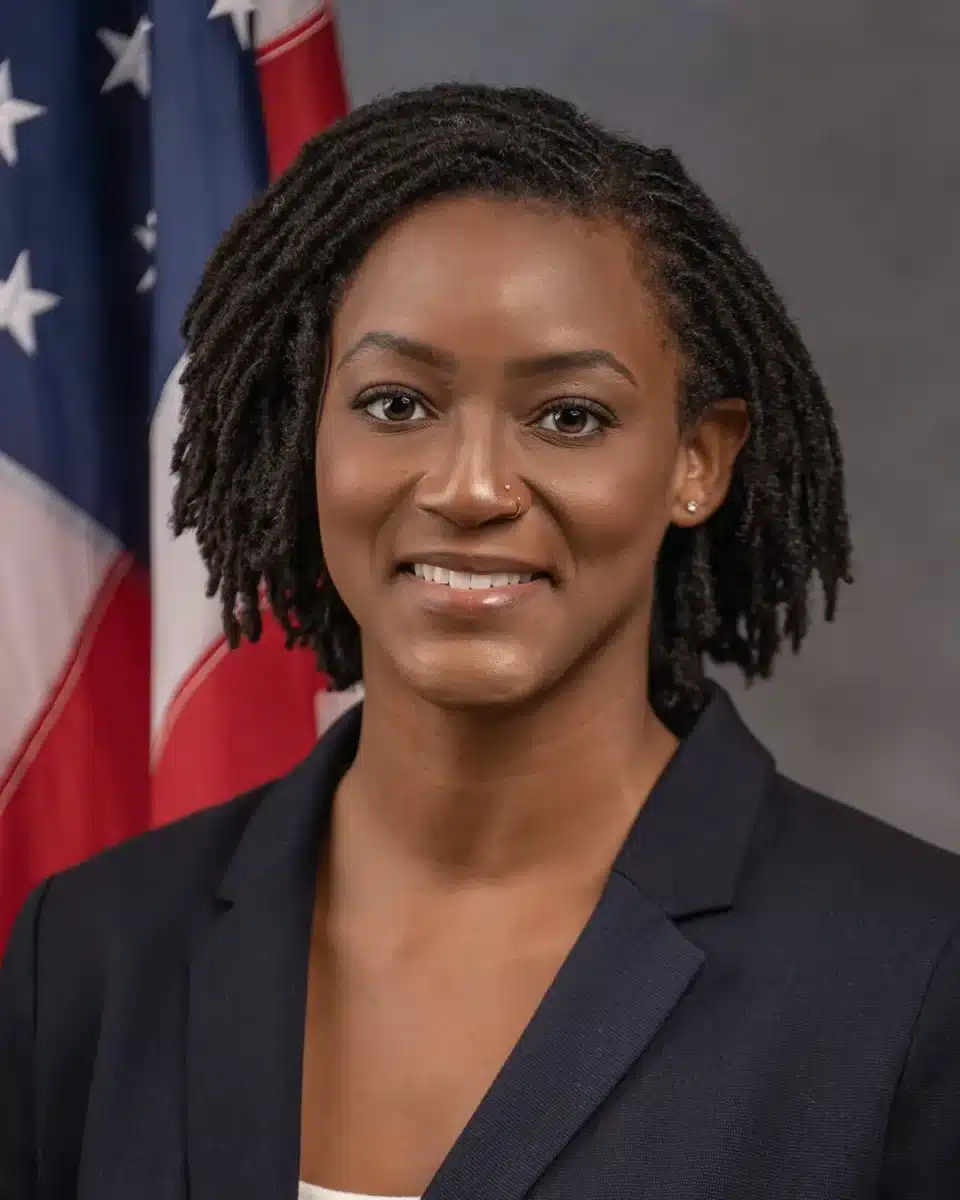
New York Attorney General Letitia James issued a consumer alert on September 2, 2026, warning residents of scammers exploiting recent federal student loan program changes to target borrowers seeking affordable payment options and financial relief.
The Trump administration’s elimination of the Saving on a Valuable Education (SAVE) plan and phasing out of existing income-based repayment plans have created significant confusion about current repayment rules, according to James’s alert. Fraudsters are capitalizing on this uncertainty to prey on borrowers, she said, encouraging New Yorkers to report suspected scams to her office.
The SAVE plan ended on July 1, 2026, leaving 7.5 million borrowers to choose a different repayment plan or face automatic transition to the new standard plan within 90 days. Many of those borrowers now face higher payments on alternative income-driven repayment plans, creating anxiety that scammers are actively exploiting.
Experts say the current moment is particularly ripe for fraud. Jason Williams, assistant inspector general for investigations at the Education Department’s Office of Inspector General, told PBS NewsHour that complaints to the OIG’s hotline have spiked this year. Student loan scams tend to increase during times of confusion and uncertainty, he said, pointing to the pandemic era when forgiveness programs moved in and out of reach as a comparable period when scam attempts soared.
Carolina Rodriguez, director of New York’s Education Debt Consumer Assistance Program, said what distinguishes current scams is that fraudsters are now preying on borrowers’ fears rather than optimism. “The fear is going to go further, and the fear is more widespread,” she told PBS News.
Common scams include companies charging upfront or monthly fees for help changing repayment plans, filing income-driven repayment applications, or applying for Public Service Loan Forgiveness—services the federal government provides for free through loan servicers. Other schemes involve companies collecting payments meant for the Education Department, causing loans to default, or convincing borrowers to refinance federal loans into private ones at lower but variable interest rates.
Anna Anderson, senior attorney at the National Consumer Law Center, emphasized that it is illegal for companies to charge upfront fees for student loan debt relief. “If somebody is asking you for a fee for anything related to federal student loans, it’s a scheme,” Williams said.
James’s office provided specific guidance to protect borrowers. She warned New Yorkers to be suspicious of unsolicited calls, emails, or online ads promising complete loan forgiveness within a short timeframe, as no private company can guarantee such relief. She also advised against signing power of attorney documents naming unknown parties, giving Federal Student Aid identification or login credentials to anyone, or trusting companies that claim government affiliation without verification.
Borrowers should verify any servicer through the Education Department’s official website and never provide account access to third parties. Legitimate assistance is available free through the Education Debt Consumer Assistance Program, which New York residents can contact at 888-614-5004, or through the National Consumer Law Center’s Student Loan Borrower Assistance Project.
For those who suspect they’ve been scammed, filing complaints with the state attorney general’s office, the Federal Trade Commission, or the Education Department’s Office of Inspector General can help authorities investigate. Borrowers should also change passwords, check credit reports, and consider freezing credit if personal loan information has been compromised.
Sources
- New York Office of the Attorney General — Consumer alert issued September 2, 2026, warning of student loan scams and providing protective guidance
- PBS NewsHour — July 22, 2026 article featuring expert commentary from Education Department OIG, National Consumer Law Center, and state education assistance officials on the uptick in scams during federal program transitions
- Education Department and Federal Student Aid — Official announcements on July 1, 2026 changes to SAVE plan and repayment options affecting 7.5 million borrowers