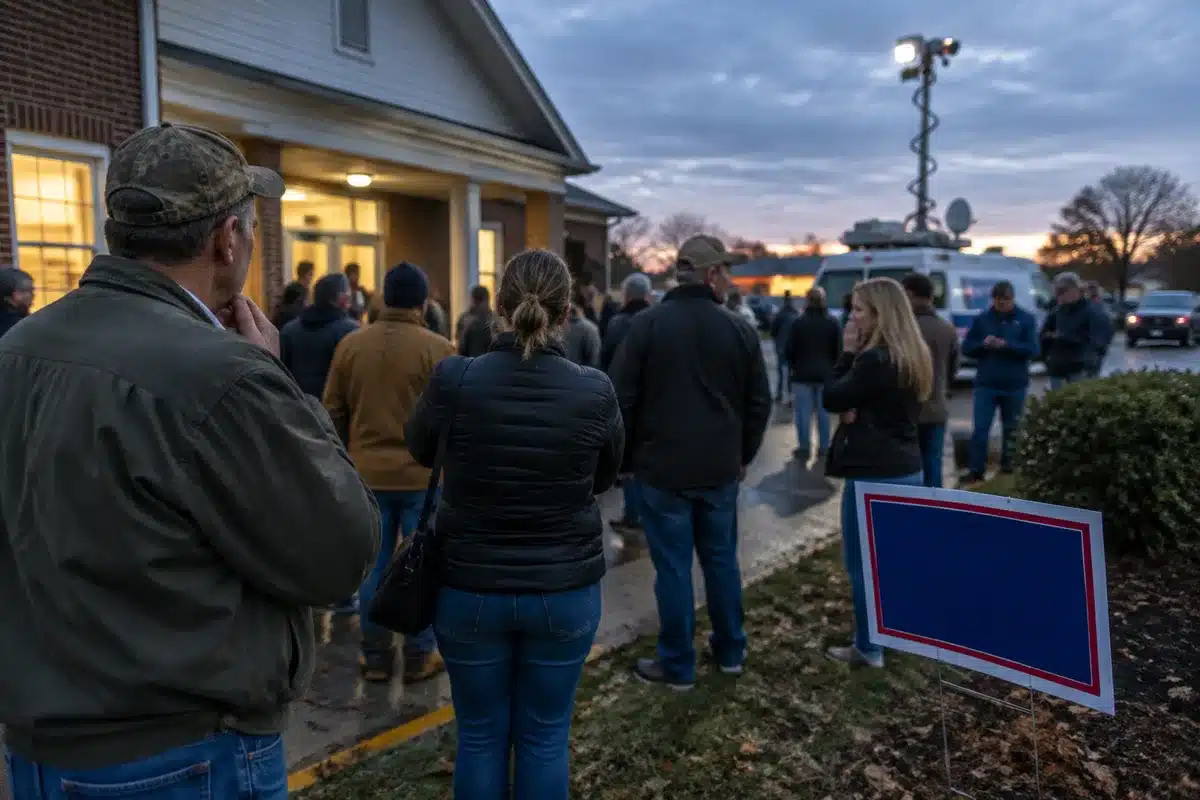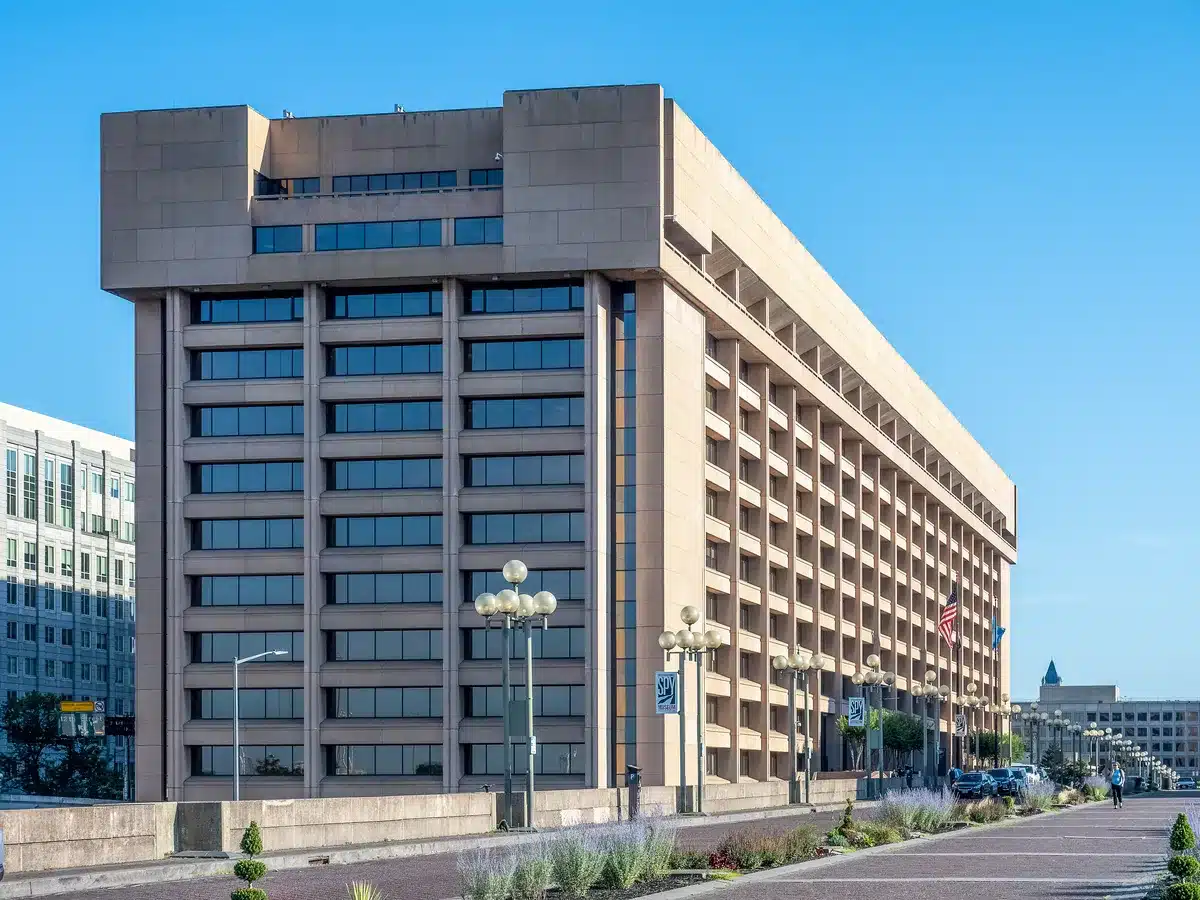
More than 10,000 mail ballots were rejected in Michigan’s primary earlier this month for arriving after the state’s deadline, raising fresh concerns that delays in USPS delivery could cost voters their ballots in the November midterms. The rejections occurred even as the Postal Service faces new federal rules and a network redesign that election officials warn will make timely ballot delivery harder, not easier.
The Michigan rejections came despite the Supreme Court’s June 2026 ruling that states can count ballots postmarked by Election Day but arriving late—a decision that hinged on the assumption that a postmark reliably proves when a ballot was mailed. Yet that assumption is increasingly fragile, according to election experts and USPS itself.
The Postal Service’s network consolidation, known as Delivering for America, has routed mail through roughly 60 regional centers instead of nearly 200 processing plants. For rural post offices hit hardest by the change, mail now travels an average of 139 miles to reach a regional center before it is postmarked, and sometimes more than 500 miles. A ballot deposited on one day may not be postmarked until a day or more later, at a plant in another state. In December 2025, USPS formally acknowledged in its Domestic Mail Manual that a postmark’s date “does not inherently or necessarily align with the date on which the Postal Service first accepted possession of the mailpiece,” and that this misalignment “will become more common” as its network changes.
This problem is not new. In the 2018 midterm election, an estimated 114,000 mail ballots were rejected because they arrived too late to count, according to a Brookings Institution analysis. What has changed is the scale and urgency: mail voting has grown from 7.8% of voters in 1996 to 29% in 2024, when the Postal Service carried roughly 99 million ballots. The 2024 election showed that USPS can deliver ballots swiftly when it prioritizes them—ballots reached election officials roughly one day on average after voters handed them to the mail—but that performance came from extraordinary operational measures that came at significant cost.
The current midterm faces additional strain from new federal rules and legal uncertainty. In August 2026, the USPS unveiled new requirements for mail ballots less than two weeks before some states began sending them. States have sued to block Trump’s USPS mail-voting rule, and federal judges have halted key parts of the Trump administration’s mail-voting order ahead of the midterms. The legal battles have created uncertainty about which rules will actually apply when ballots are cast, complicating planning for election officials who must coordinate with the Postal Service on ballot design, timing, and delivery.
Election officials and voting rights advocates have warned that the combination of network delays, new USPS rules, and legal limbo could lead to a sharp increase in rejected ballots. The risk falls heaviest on voters in states that rely on postmarks as proof of timely voting—17 states and the District of Columbia allow ballots postmarked by Election Day to count even if they arrive later. Those voters are now caught between a Supreme Court ruling that assumes reliable postmarks and a Postal Service network that no longer reliably produces them.
Sources
- The New York Times — reported more than 10,000 mail ballots rejected in Michigan’s August 2026 primary for arriving late
- Brookings Institution — provided historical data on 114,000 rejected ballots in 2018, network consolidation details, and 2024 delivery performance
- USPS Domestic Mail Manual — documented the agency’s acknowledgment of postmark misalignment with actual mailing dates