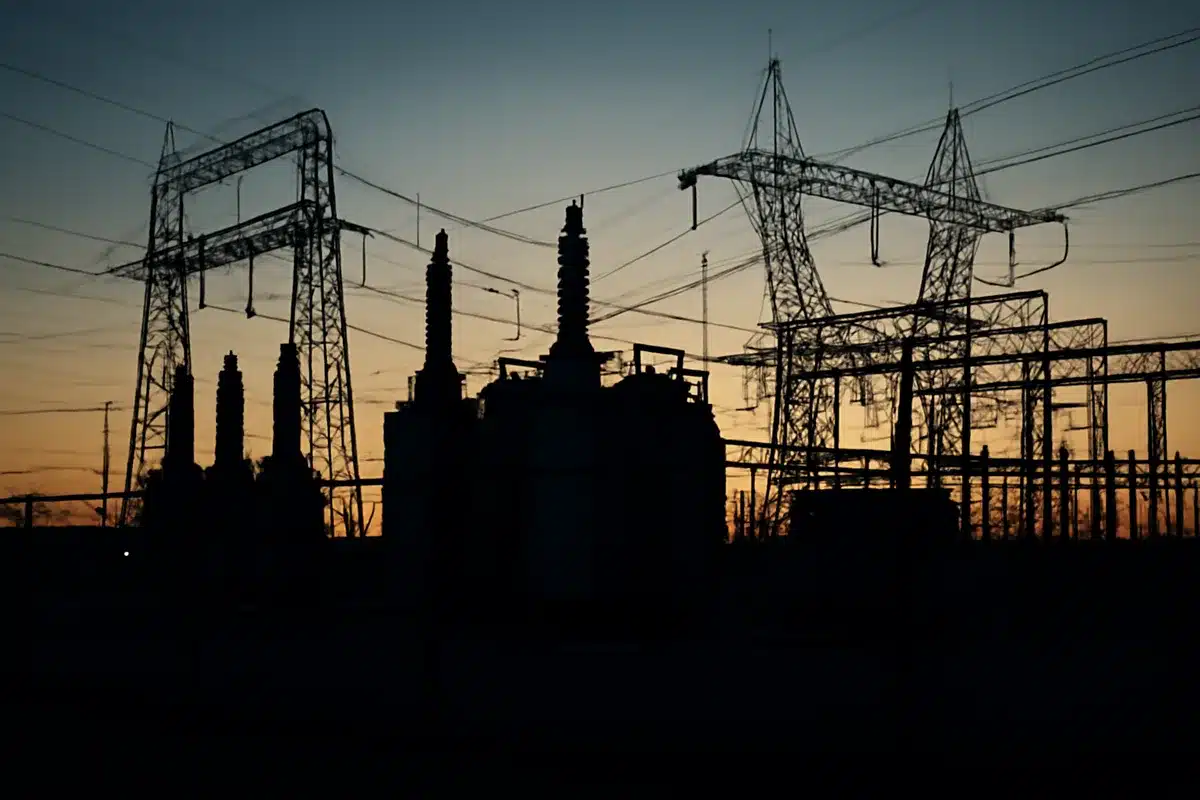
President Trump declared a national emergency on August 26, 2026 to secure the U.S. power grid from foreign equipment, signing an executive order that prohibits the acquisition, importation, transfer, or installation of certain foreign-produced bulk-power system equipment and allows the government to require utilities to replace gear already in service.
The order targets equipment including transformers, generators, battery energy storage systems, grid-connected inverters, turbines, industrial control systems, and associated software deemed to pose cybersecurity or operational risks. The White House argues that foreign-produced equipment could contain digital vulnerabilities, including backdoors capable of providing remote access to critical infrastructure.
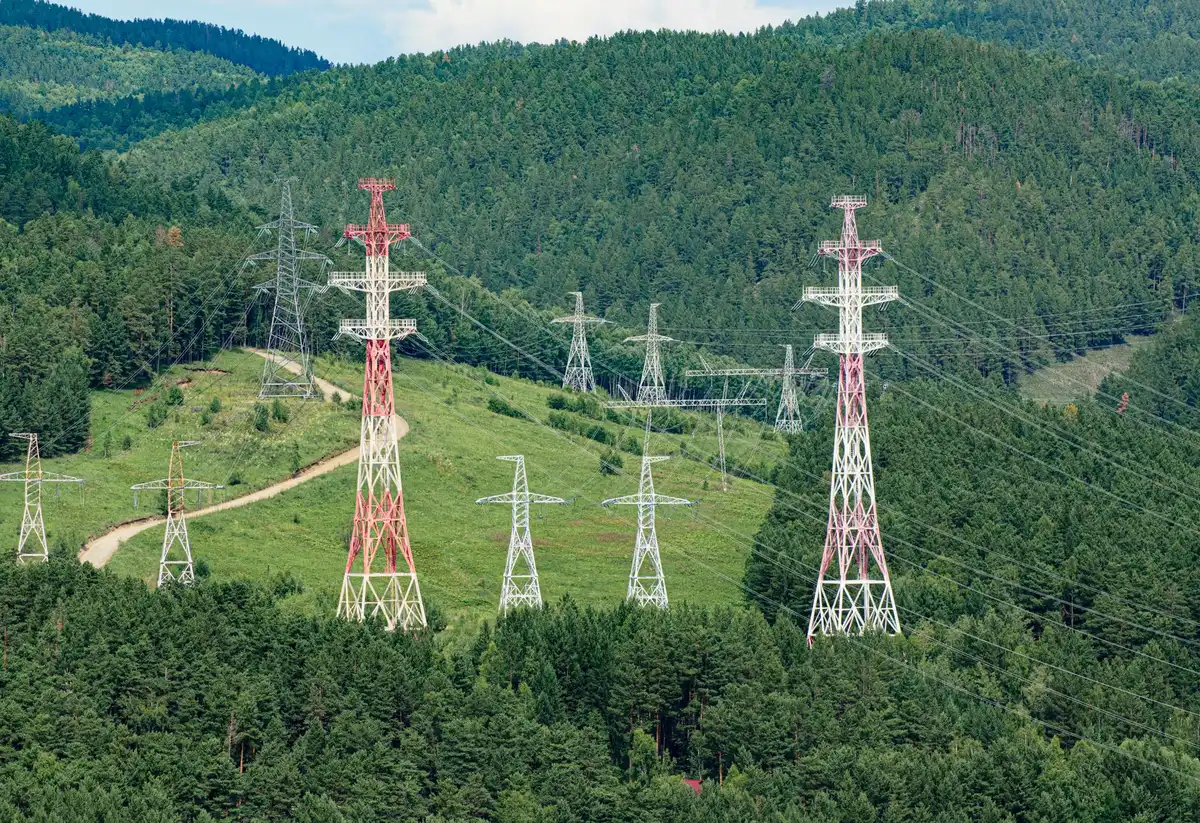
The administration also cited reliance on foreign suppliers as a supply chain vulnerability, particularly as artificial intelligence, data centers, advanced manufacturing, and defense production drive greater electricity demand. The order does not apply to local distribution facilities but gives the Energy Secretary broad authority to impose conditions on continued operation of foreign-made equipment.
The Energy Department can require foreign-manufactured equipment to be identified, isolated, monitored, secured, disconnected, replaced, or removed from the grid. The order directs the department to weigh reliability, safety, availability of secure replacements, and continuity of service before requiring changes. The Energy Department has 120 days to publish implementing rules, which will clarify which suppliers and equipment face restrictions.
Trump issued a similar emergency declaration in May 2020, when he signed Executive Order 13920 declaring a national emergency regarding threats to the bulk-power system. That order also prohibited transactions involving certain foreign bulk-power equipment, though it was later revoked by the Biden administration in 2021.
The 2026 order also directs the federal government to reconsider its energy infrastructure purchases. Within 180 days, the Energy Secretary must recommend changes to federal procurement rules to prioritize U.S.-manufactured equipment, potentially shifting federal demand away from foreign suppliers toward domestic manufacturers. The order invokes the International Emergency Economic Powers Act and the National Emergencies Act, granting the administration broad authority to regulate transactions involving foreign entities and covered equipment.
The restrictions could carry financial and operational consequences for utilities and infrastructure operators, though the order does not estimate potential costs. The administration has framed the action as necessary to eliminate supply chain vulnerabilities while ensuring abundant, reliable electricity as the nation’s power-hungry economy expands, particularly with growing demands from artificial intelligence and defense production.
Sources
- The White House — Fact sheet on the national emergency declaration and executive order details
- Fox Business — Coverage of the order’s scope, affected equipment types, and implementation timeline
- Federal Register — Historical record of Executive Order 13920 from May 1, 2020