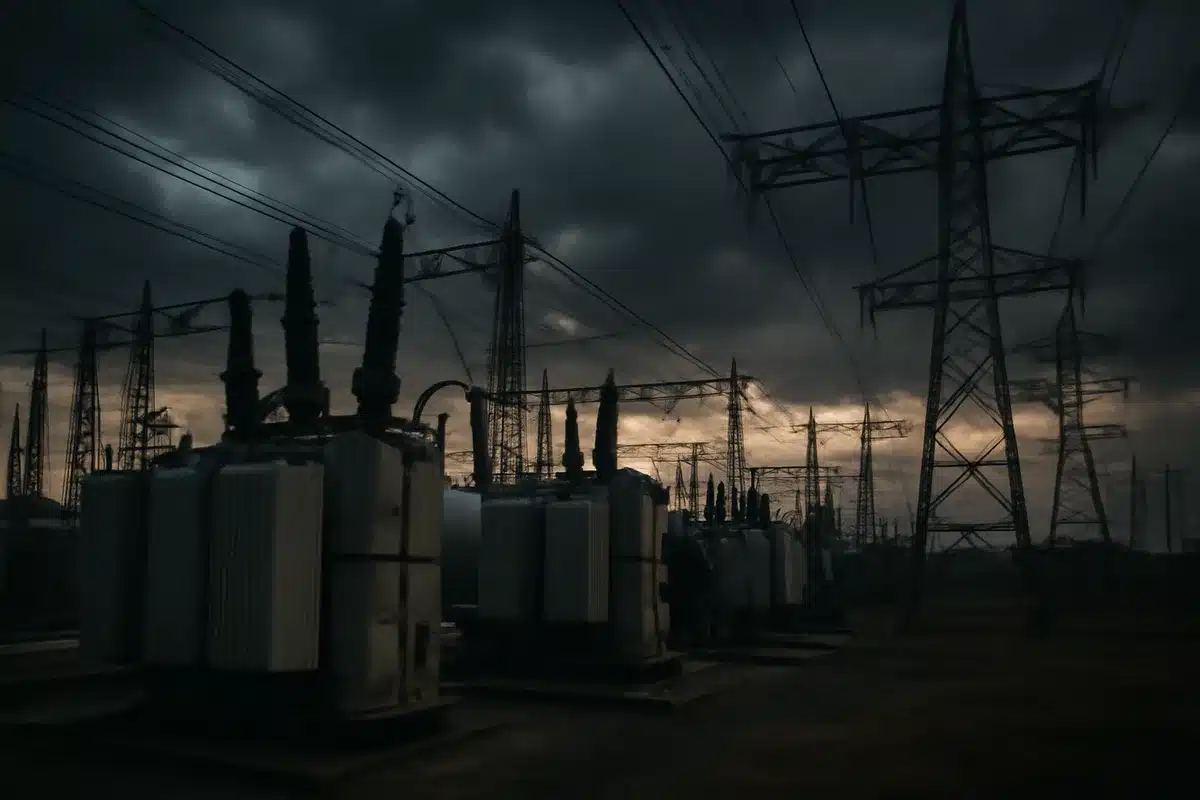
The U.S. power grid faces a risk of an 18-month blackout if critical infrastructure is damaged, according to a warning from Jon Wellinghoff, former chair of the Federal Energy Regulatory Commission. Wellinghoff conducted a power flow analysis showing that destroying just nine key substations—distributed among the three major grid interconnections spanning the country—could plunge the entire nation into darkness for an extended period.
The warning stems from a 2013 incident at Pacific Gas and Electric’s Metcalf electrical substation near San Jose, California, where gunmen fired 120 shots and destroyed 17 transformers. Wellinghoff briefed the White House, Congress, and the Department of Energy after analyzing how such an attack could cascade across the grid. “If you knock out nine total substations along those three grids, you can black out the entire United States,” he said, noting that with sufficient firepower, the entire grid could be taken out in 20 minutes.
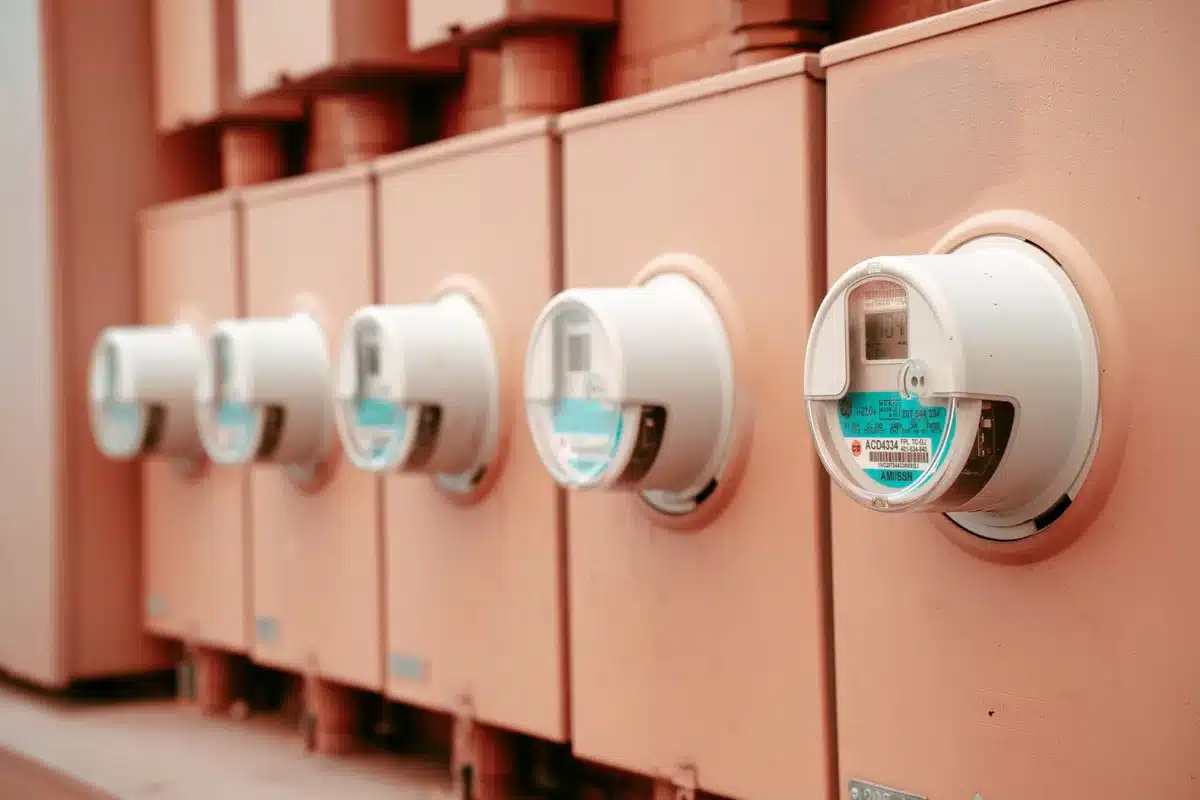
The duration of such a blackout would be determined by how long it takes to replace damaged transformers. Large power transformers—custom-built units weighing hundreds of tons and handling tens of thousands of volts—have become a critical bottleneck. Replacement lead times have surged to 128 weeks, or nearly 2.5 years, as of 2026, up from less than a year before 2021. Some specialized units now take more than five years to deliver.
Wellinghoff noted that if it took PG&E 27 days to repair the Metcalf substation in 2013 while the rest of the grid remained operational, repairs during a nationwide blackout would take far longer. The shortage of transformers is compounded by aging infrastructure: about 75 percent of distribution transformers are older than their 50-year design life, and the average large power transformer was 38 to 40 years old as of 2014.
Demand for transformers is accelerating. Siemens Energy, a major grid equipment manufacturer, projects that transformer demand in 2027 will more than double the demand seen in 2020, driven largely by surging electricity consumption from artificial intelligence data centers and other industrial load growth. Energy analyst Ajey Pandey described the transformer shortage as “hair-on-fire, biting-my-nails, losing-sleep levels of bad.”
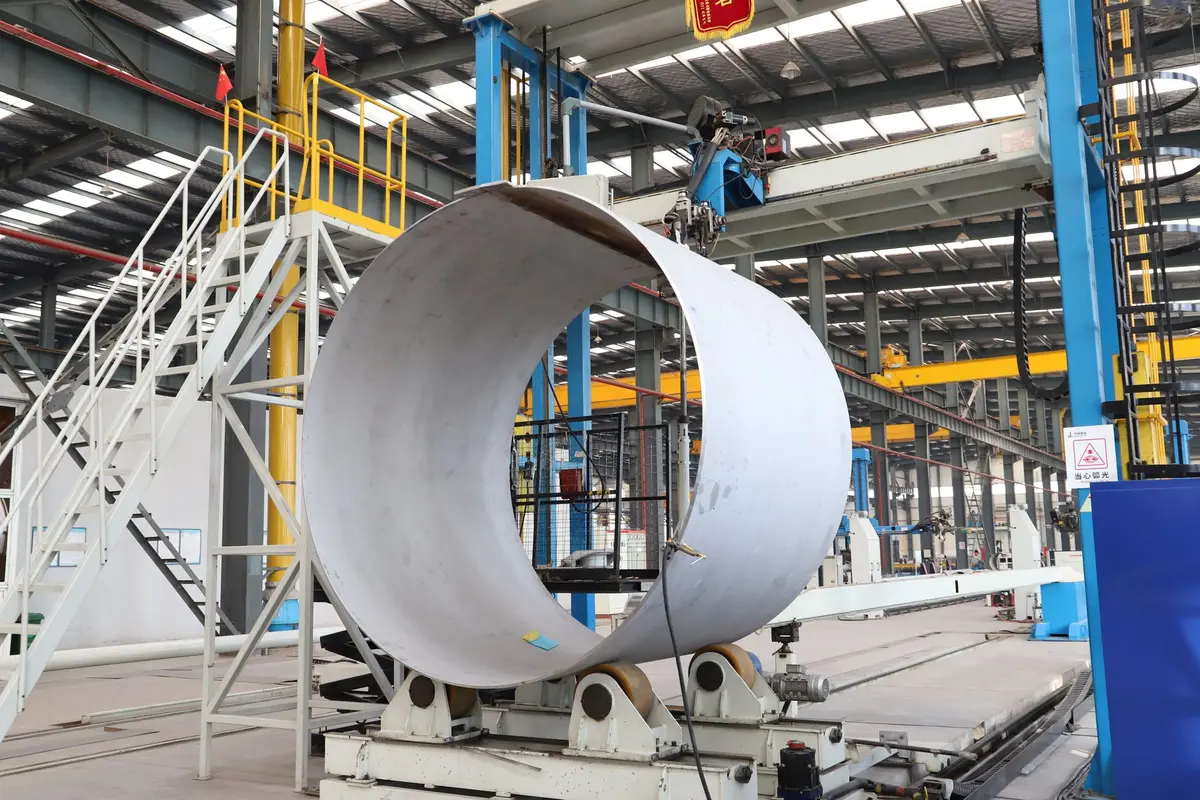
The warning carries weight when compared to past blackouts. The 2003 Northeast blackout affected approximately 50 million people across the northeastern U.S. and southern Canada, with most customers restoring power within two to four days. A nationwide blackout caused by destroyed transformers would differ fundamentally: without spare capacity in the grid and facing months-long lead times to manufacture replacements, recovery could stretch far longer than any blackout in U.S. history.
Sources
- New York Post — Wellinghoff’s analysis of nine substations, the 2013 Metcalf attack, 27-day repair timeline, transformer lead times of 128 weeks, and aging infrastructure statistics
- New York Times Magazine — Expert warning on 18-month blackout risk and transformer replacement challenges
- Reuters — U.S. electricity demand record highs in 2026 and 2027 driven by AI data centers
- Department of Energy — 2003 Northeast blackout details and scale
- Industrial publications — Transformer lead time data and manufacturing capacity information