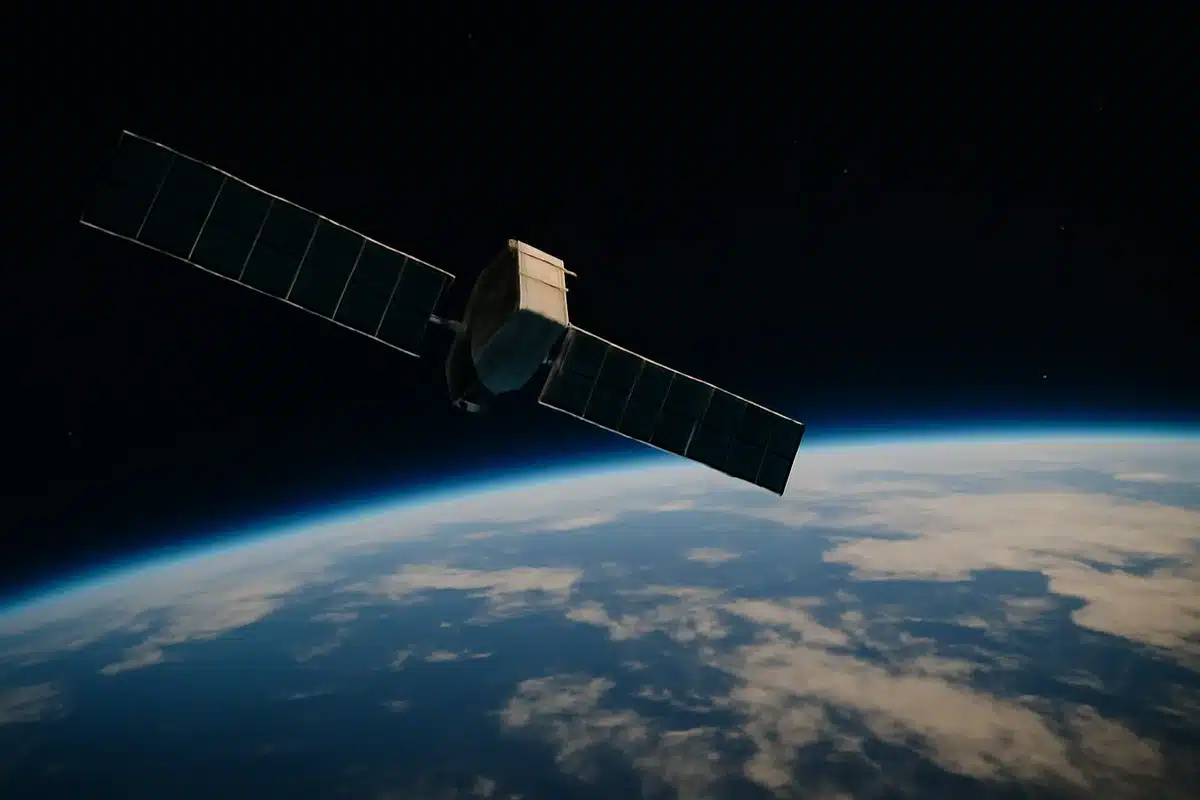
SpaceX’s Starlink constellation surpassed 11,000 satellites in orbit on August 19, 2026, marking a historic milestone for the company’s ambitious effort to blanket Earth with high-speed internet coverage. A Falcon 9 rocket carrying the Starlink 6-78 mission lifted off from Vandenberg Space Force Base in California at 04:01 UTC that day, pushing the total count past the symbolic threshold.
The achievement reflects SpaceX’s relentless launch cadence this year—the company has already conducted more than 100 orbital missions in 2026 alone, with many dedicated to expanding the Starlink network. This pace underscores how rapidly the company is building out its satellite constellation.
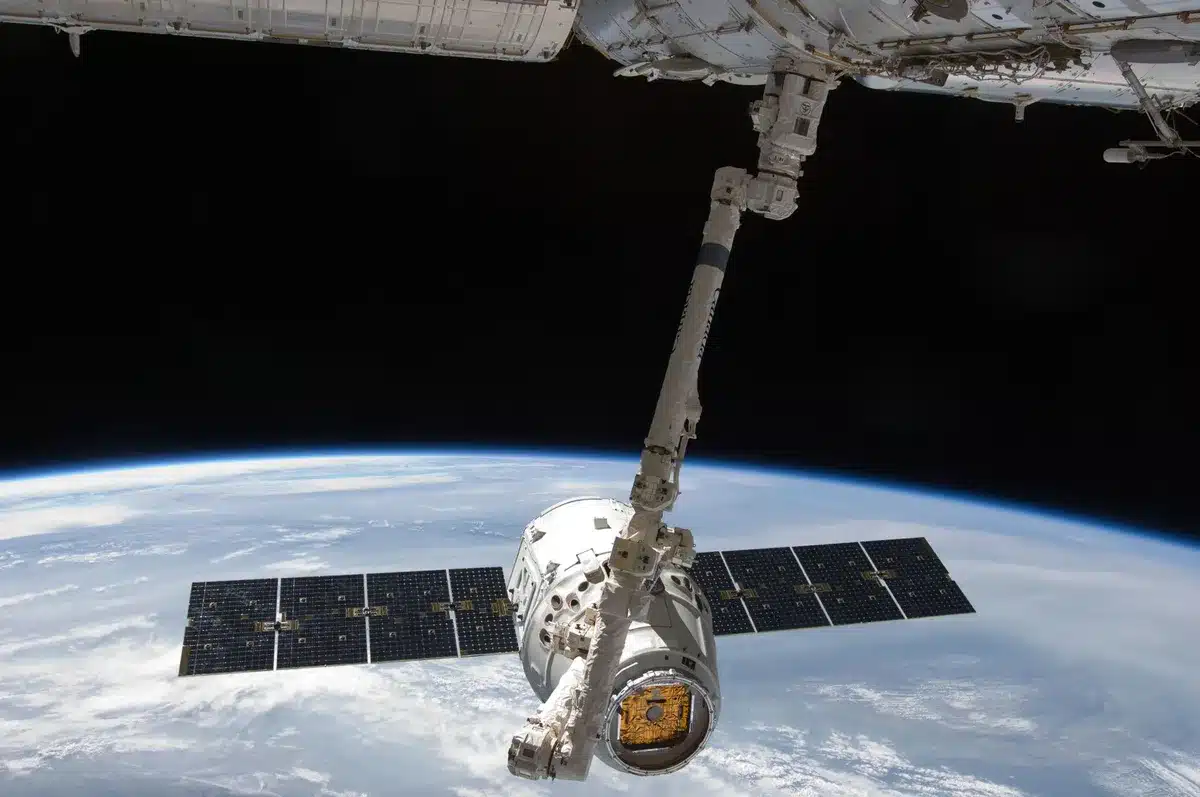
Starlink accounts for approximately 75% of all active maneuverable satellites in Earth orbit, according to Wikipedia data. This dominance reflects years of sustained investment and launch operations that have left rivals far behind in the race to provide global satellite internet service.
The business has become SpaceX’s most profitable segment. Starlink generated $11.4 billion in revenue in 2025 and is profitable at the operating level, making it the only consistently profitable division within SpaceX, according to earnings reports. The service had amassed more than 12 million subscribers as of June 2026, demonstrating strong commercial traction alongside the technical achievement of the constellation’s size.
Competition Remains Distant
While Starlink’s milestone is significant, other satellite internet providers are advancing their own constellations, albeit at a much slower pace. Amazon’s Project Leo (formerly Kuiper) had deployed roughly 345 to 400 satellites by August 2026, while Eutelsat’s OneWeb constellation numbers around 654 satellites. Amazon plans to deploy up to 5,105 satellites but faces regulatory deadlines and must launch half its constellation by July 30, 2029, to maintain FCC authorization.
OneWeb operates in a higher orbit and targets a more modest constellation of around 7,000 satellites total, focusing on different market segments. The scale difference underscores Starlink’s commanding lead—it has deployed roughly 17 times more satellites than Amazon and more than 16 times as many as OneWeb.

SpaceX has indicated it may eventually expand Starlink to as many as 42,000 satellites, though current operations focus on the initial mega-constellation. The company continues to launch batches of satellites regularly, with additional missions already scheduled for the remainder of 2026.
Industry analysts note that Starlink’s advantage extends beyond raw satellite count. The company controls the entire supply chain—from satellite manufacturing to rocket launches and user terminals—giving it cost efficiencies and speed that competitors cannot yet match. Elon Musk has stated that if Starlink maintains its trajectory, the service could eventually carry the majority of internet traffic globally, a claim reflecting the company’s confidence in the network’s long-term potential.
Sources
- SpaceDaily — confirmed Starlink passed 11,000 satellites on August 19, 2026, via Starlink 6-78 launch from Vandenberg
- Space.com — provided satellite count data and lifespan information
- Wikipedia — cited Starlink’s 75% share of active maneuverable satellites and 12+ million subscribers as of June 2026
- Reuters — reported Amazon Leo’s proposal for up to 5,105 satellites
- Satellite Today — detailed OneWeb’s constellation size and competitive positioning
- SpaceX earnings reports — confirmed $11.4 billion revenue and profitability for Starlink in 2025
- Ars Technica — reported on Amazon’s FCC deployment deadline and extension requests