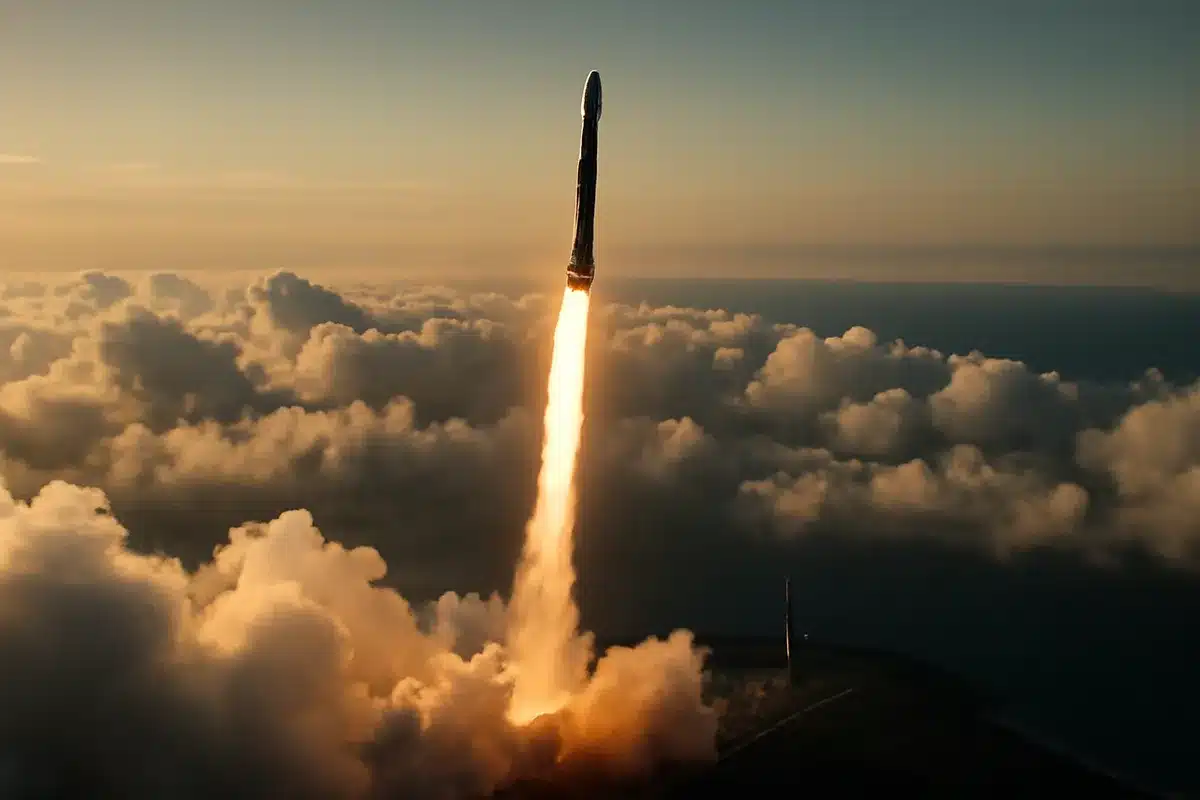
SpaceX is set to launch a Falcon 9 rocket carrying 29 Starlink satellites from Cape Canaveral Space Force Station in Florida on Tuesday morning, August 25, at approximately 5:33 a.m. EDT, marking the company’s 100th Falcon 9 flight of 2026 and a historic milestone for rocket reusability.
The mission will use booster B1067, which will fly for a record 37th time, surpassing all previous reuse records for any orbital-class rocket. According to Space.com, this achievement underscores how SpaceX’s reusable rocket technology has enabled an unprecedented cadence of space launches.
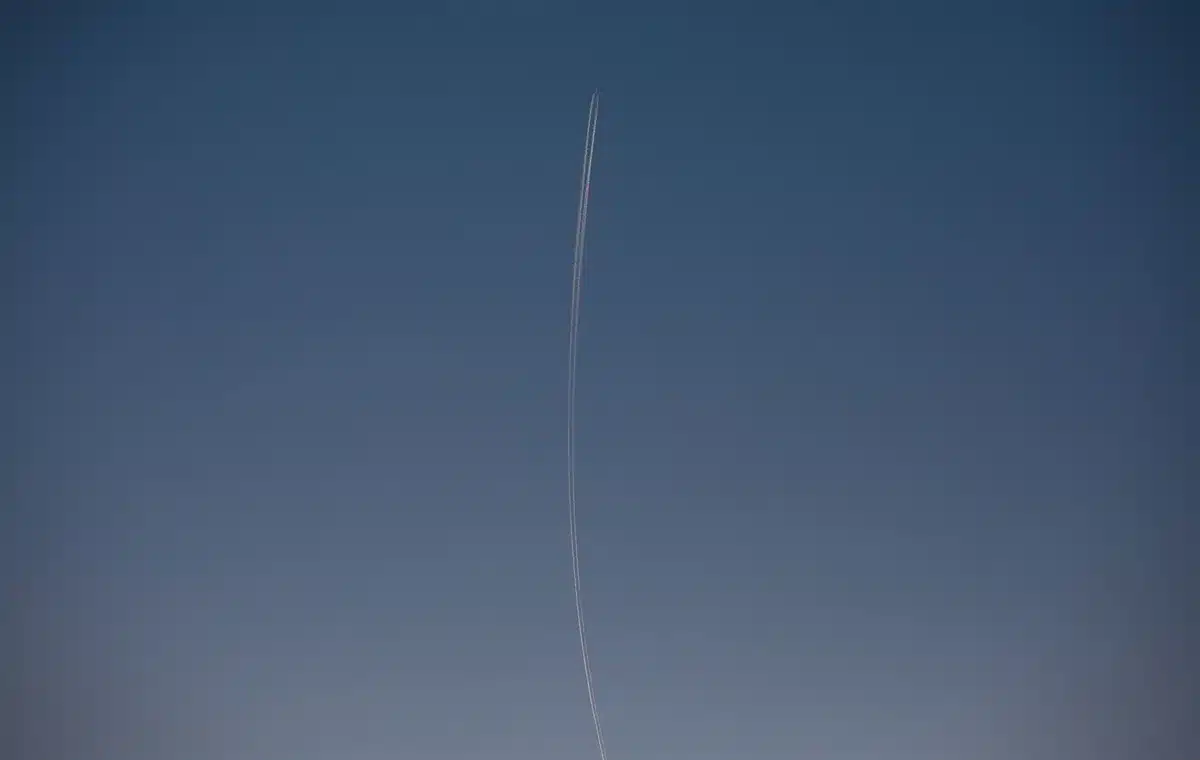
The 100th Falcon 9 flight comes as SpaceX’s broader launch program reaches an extraordinary scale. On August 22, SpaceX achieved its 100th orbital launch of 2026 overall—including one Falcon Heavy mission—hitting that milestone roughly two months faster than it did in 2024, according to tracking data cited by SpaceDaily. At the current pace, analysts estimate SpaceX could reach approximately 155 total launches by year’s end.
The Starlink constellation these missions serve has grown dramatically. As of August 19, SpaceX pushed its Starlink network past 11,000 satellites in orbit, making it the largest satellite constellation ever deployed. SpaceDaily reported that Starlink now accounts for roughly two-thirds of all active satellites circling Earth, a concentration that has arrived with striking speed—in 2019, fewer than 2,000 active satellites of any kind existed globally.
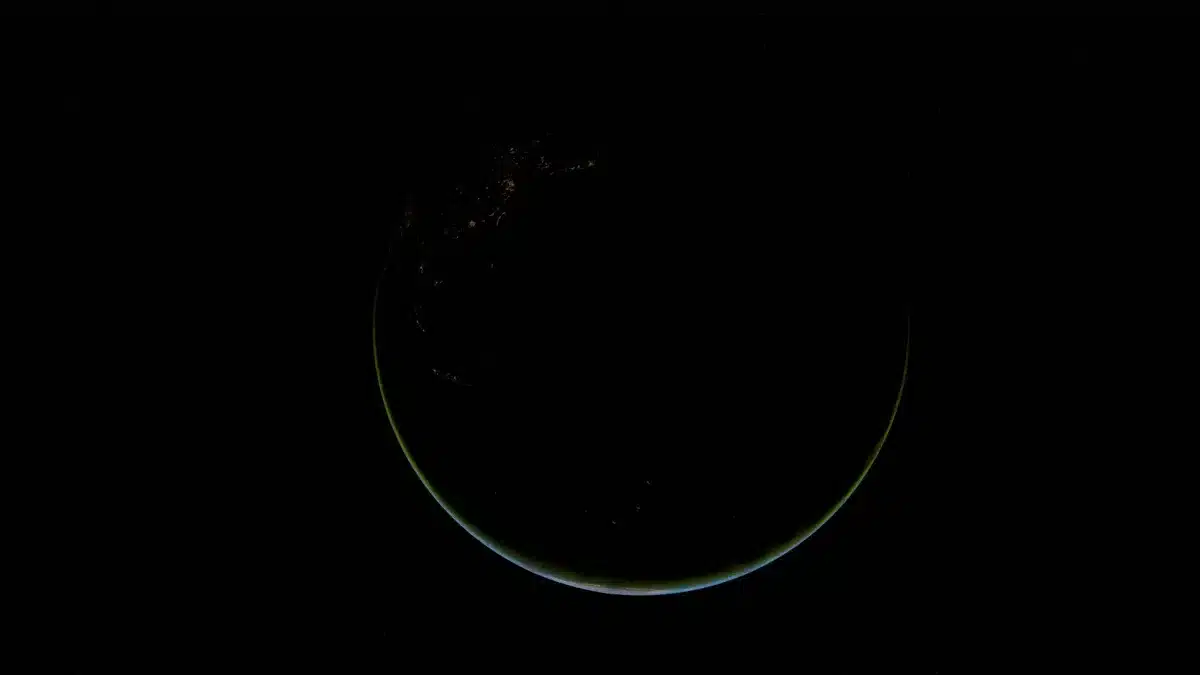
The high launch frequency depends entirely on booster reusability. Falcon 9 first stages have now been successfully landed and reflown more than 600 times, according to SpaceX Launch Statistics. The most-flown booster, B1067, has averaged better than one flight per month in 2026 alone. Falcon 9 reuse has reduced launch costs significantly compared to expendable rockets, enabling SpaceX to deploy dozens of satellites on a relentless schedule.
The Starlink constellation is not static. Older satellites are continuously retired and descend toward atmospheric reentry, while new ones climb to operational orbit. This persistent churn means maintaining and expanding the network requires an ongoing stream of launches. In 2026, 74 of SpaceX’s first 100 missions have been devoted to Starlink deployment, according to SpaceDaily’s analysis of the 11,000-satellite milestone.
The scale of Starlink’s growth has reshaped the orbital environment. Operators now must screen more collision conjunctions, coordinate maneuvers to avoid debris, and manage safe disposal of failed spacecraft. The dense low-orbit network itself offers lower-latency internet to remote areas, ships, and aircraft—the core purpose Starlink was designed to serve. Yet the concentration of such a large fleet under one operator raises questions about orbital resources and access that space policy experts continue to debate.
Sources
- Space.com — Launch details, booster reuse record (37th flight), and the 100th Falcon 9 mission date and time
- SpaceDaily — Starlink 11,000-satellite milestone, constellation composition, 100 total Falcon launches in 2026 achieved August 22, two-month acceleration versus 2024
- SpaceX Launch Statistics — Booster reuse records, 600+ successful landings and reflies, B1067 flight history
- Spaceflight Now — August 22 launch confirmation and orbital statistics