The United States is preparing to unveil what Treasury Secretary Scott Bessent calls the “toughest sanctions in history” against Iran, combining a naval blockade with unprecedented economic restrictions intended to isolate Tehran from global finance and trade. Bessent announced on Thursday that the Treasury would detail the measures at a press conference on Monday, August 24, framing the effort as the “greatest coordinated economic isolation in the history of the world.”
The campaign, which the Trump administration has dubbed “Economic D-Day,” marks a shift from military operations to sustained economic pressure. Bessent told CNBC that the strategy aims to “collapse” the Iranian government and would consist of “a one-two punch” combining the existing naval blockade imposed in April with new financial sanctions. He warned that any country continuing to trade with Iran — whether by transferring money, purchasing oil, or providing seaborne transport — would face “tremendous consequences” from the U.S. Treasury and government.
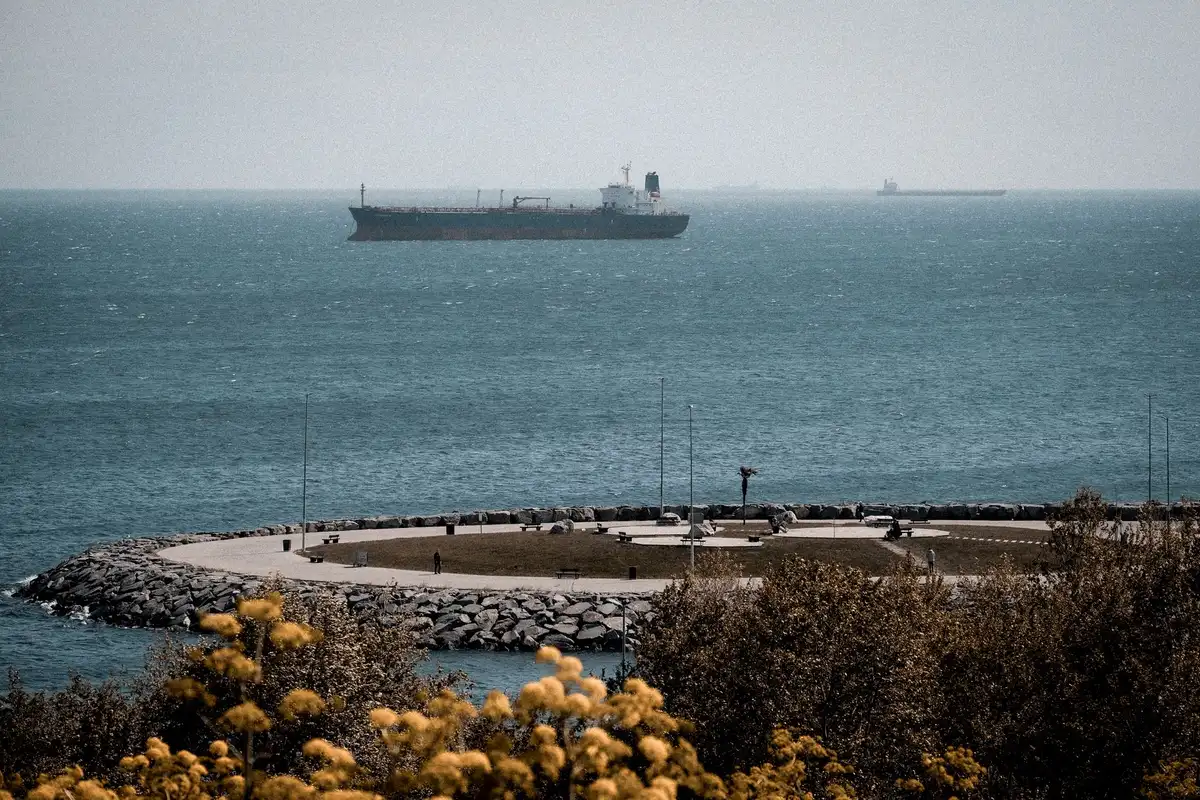
The blockade has already severely restricted Iran’s oil exports, the country’s primary revenue source. The U.S. naval blockade, reimposed in mid-July after a brief ceasefire, has cut Iranian oil shipments through the Strait of Hormuz, a waterway that carried roughly a fifth of global traded oil before February’s escalation. Bessent suggested that reopening the strait and lowering energy prices would benefit all nations, including China, which relies on the Gulf for 50 percent of its energy imports.
Iran’s economy is already under acute strain. The country faces year-over-year inflation of 88 percent, according to recent reports, and has struggled to maintain oil exports under the blockade. The administration’s new sanctions package is expected to target Iran’s financial system, cryptocurrency assets, and access to international banking networks.
The current campaign echoes the Trump administration’s first “maximum pressure” campaign, which ran from 2018 to 2021 after the U.S. withdrew from the Iran nuclear deal. That earlier effort imposed more than 1,500 sanctions on Iran and foreign entities doing business with it, driving Iranian crude oil exports to their lowest point—around 500,000 barrels per day—before the Biden administration lifted some restrictions. Iranian crude exports had since recovered to an estimated 1.7 million barrels per day by 2024, according to analysts, but the new blockade and sanctions are expected to reverse that recovery.
Bessent called on the international community to choose sides, stating: “We’re going to them and saying: You’re either with us or against us.” He declined to specify whether China and Russia would face sanctions for their trade with Iran, saying some conversations are “best to have in private.” However, he emphasized that the U.S. would apply its “full might and force” to enforce the new restrictions.
Iran has rejected the sanctions as “economic terrorism,” with Foreign Minister Abbas Araghchi arguing that the U.S. strategy relies on failed tactics that will only alienate Iranians further. The Iranian government has vowed to circumvent restrictions through shadow oil networks and increased trade with allies like China and India.
Sources
- Reuters — Treasury Secretary Scott Bessent’s announcement of “toughest sanctions in history” on Iran, naval blockade details, and warnings to countries trading with Iran
- Al Jazeera — Bessent’s statements on economic collapse strategy, “greatest coordinated economic isolation,” and sanctions on Hezbollah associates
- Politico — Iran’s current economic crisis with 88% year-over-year inflation
- Middle East Institute — Historical context on Iranian oil exports during 2018-2021 maximum pressure campaign and recovery to 1.7 million barrels per day by 2024
- NPR — Trump’s announcement of “most crushing economic operation” against Iran