President Trump posted a map on Truth Social on August 18 labeling the Strait of Hormuz as a “new U.S. territory,” doubling down on his claim to one of the world’s most critical energy chokepoints amid an escalating standoff with Iran.
Trump first floated the idea on August 14 during a campaign-style event in Garden City, New York, telling attendees he would “pretty soon” declare the waterway a U.S. territory “after we finish defeating Iran.” When asked about the comment in the Oval Office on Monday, he reiterated the position, saying the U.S. already controls the strait through its military blockade.
“We control it with the blockade, and I like the idea of declaring it a territory,” Trump told reporters, according to The Hill. “We’re taking out millions of barrels of oil a week. The oil prices are coming down, and they will continue to come down unless we decide to do something far drastic, more drastic than what we’re doing.”
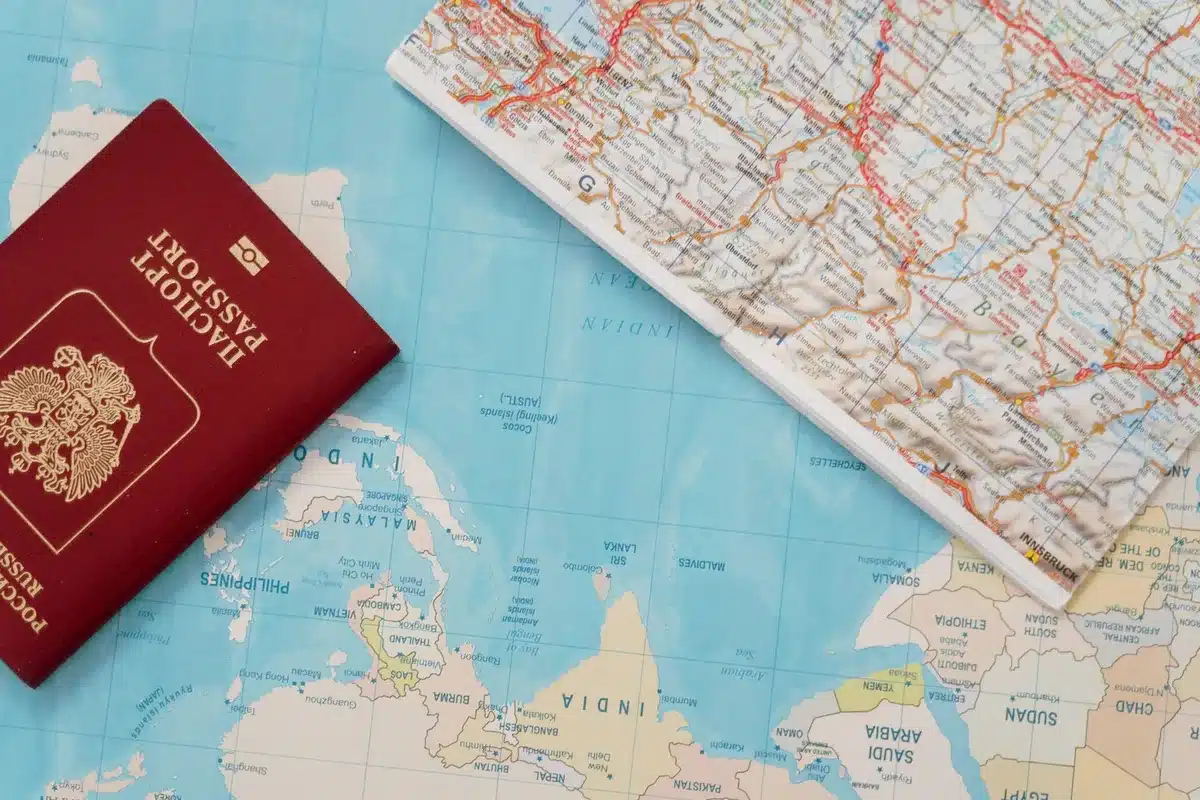
The Strait of Hormuz, through which roughly 20 percent of the world’s oil and liquefied natural gas flows, connects the Persian Gulf to the Gulf of Oman. It is located in the territorial waters of Iran and Oman under international law, making any unilateral U.S. claim legally unprecedented. The waterway is one of the world’s most vital energy arteries, with approximately 20 million barrels of crude oil transiting daily, according to the U.S. Energy Information Administration.
Iran rejected Trump’s claim swiftly. Iran’s Deputy Foreign Minister Kazem Gharibabadi posted on the social platform X that “The Strait of Hormuz has been Iranian, is Iranian, and will remain Iranian.” He added that “this strait will only be closed and opened under Iran’s command” and accused the Trump administration of indulging in “delusions” by refusing to accept what he called “the reality of defeat.”
On August 19, an official Iranian social media account responded with satire, posting a map labeling California a “new territory of the Islamic Republic of Iran.” The sarcastic move highlighted the absurdity of Trump’s territorial claim and underscored the rising tensions between Washington and Tehran over control of the critical waterway.
The dispute reflects the broader military conflict between the U.S. and Iran that has escalated throughout 2026. Trump authorized a U.S. naval blockade of Iran in mid-July, resuming a tactic he said had succeeded in previous standoffs. The blockade has disrupted shipping and oil flows through the strait, raising global energy prices and disrupting international commerce. Iran has closed or restricted the waterway in response, creating a standoff over one of the world’s most strategically important maritime passages.
The Iran-US tensions over the Strait of Hormuz have become a central flashpoint in the broader conflict. Shipping through the strait has ground nearly to a halt as both nations assert competing claims of control, with tankers rerouting and global supply chains disrupted.
Sources
- The Hill — Trump’s Truth Social post labeling the Strait of Hormuz as “new U.S. territory,” his statements to reporters about controlling the waterway through blockade, and Iran’s Deputy Foreign Minister’s response.
- Al Jazeera — Trump’s August 14 announcement at the Police Academy Center in Garden City, New York, that he would declare the Strait of Hormuz a U.S. territory “pretty soon.”
- BBC News — Confirmation that approximately 20 percent of the world’s oil and liquefied natural gas flows through the Strait of Hormuz.
- U.S. Energy Information Administration — Data on daily oil flows through the strait (20 million barrels per day, or roughly 20% of global petroleum liquids consumption).
- Anadolu Agency (AA) — Iran’s official social media account labeling California a “new territory of the Islamic Republic of Iran” on August 19 in response to Trump’s Hormuz claim.
- Reuters — Information on the U.S. naval blockade of Iran and its impact on shipping and oil flows through the Strait of Hormuz.