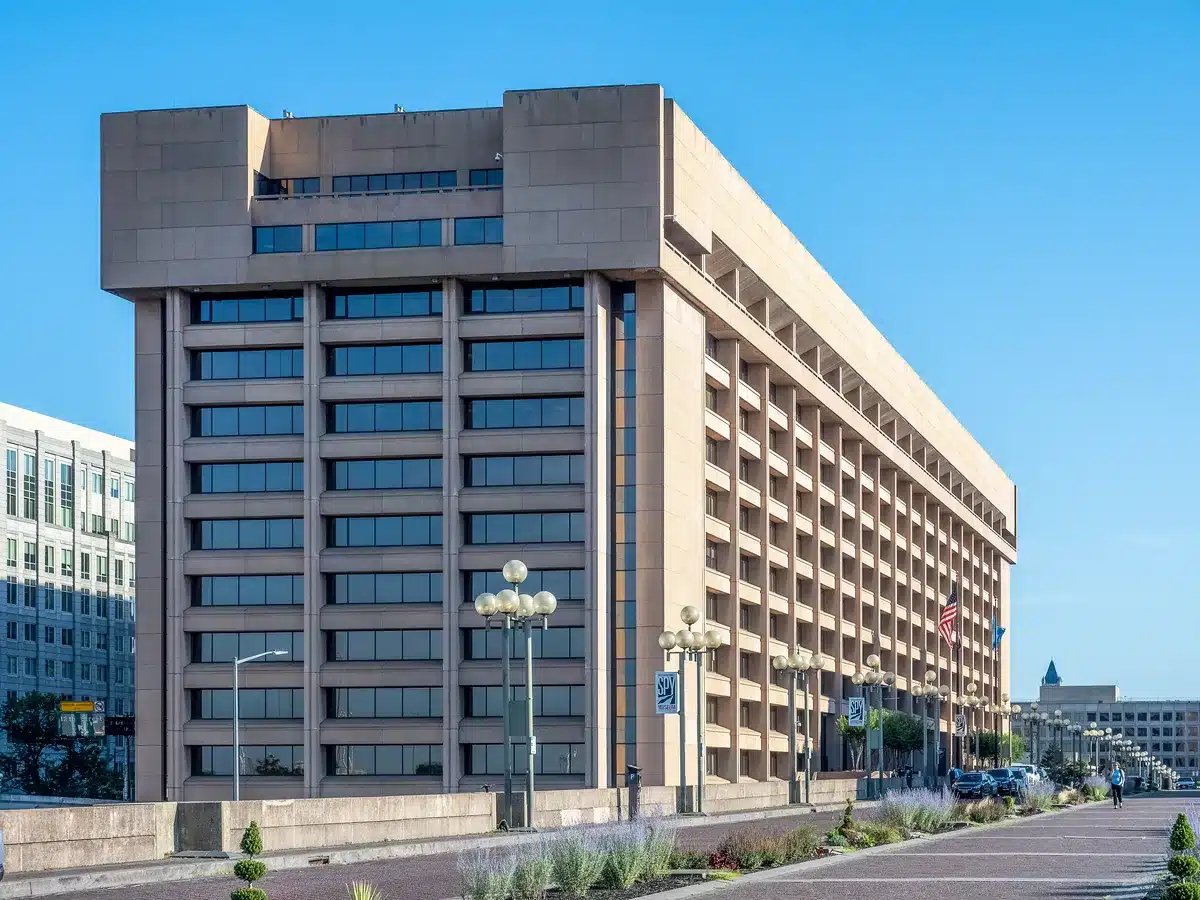
The U.S. Postal Service published a final rule late Friday requiring states to share lists of mail ballot voters with the federal government, a sweeping change to voting procedures that arrives despite two federal court injunctions currently blocking the changes from taking effect ahead of November’s congressional elections.
The 95-page rule, scheduled to be formally published in the Federal Register on August 26, would require states to submit voter names, addresses, and barcodes tied to mail-in ballots to a new Federal Ballot Mail Portal managed by USPS. Under the rule, the Postal Service would refuse to deliver ballots in states that do not comply with the new standards.
The rule stems from an executive order President Trump signed in March directing USPS to implement new requirements for mail voting. Trump has long called for tighter restrictions on voting by mail, citing unsubstantiated claims about widespread voter fraud in the 2020 election. The executive order required USPS to propose rules by May 30 and finalize them by July 29, though the postal service did not meet that deadline.

The USPS acknowledged in the published rule text that two injunctions—one issued by U.S. District Judge Indira Talwani in Boston and another in California—currently bar it from moving ahead with implementation. Judge Talwani issued her nationwide injunction on August 11, finding the executive order likely unconstitutional. The postal service stated it would take no action to implement the rule unless courts lift the injunctions.
The Trump administration is pressing ahead despite the legal barriers. In the rule text, USPS said that if courts grant relief from the injunctions, it would implement the changes “immediately thereafter” to provide states with as much time as possible before the election to comply with the new envelope standards and submit data to the portal before mail-in ballots are distributed in September.
The federal government has sued 30 states and Washington DC for refusing to hand over lists of eligible voters. Many states and Democrats in Congress have argued that USPS lacks legal authority to impose such requirements and that the changes come too close to the election to be implemented responsibly.
USPS Postmaster General David Steiner defended the plan in June, saying the Postal Service is ensuring “we match the ballots that a state believes they’re sending out to what actually gets sent out.” The rule text states that the new procedures “will help determine adherence to federal law and facilitate law enforcement efforts,” though it specifies that postal workers will not inspect ballot contents or record party affiliation.
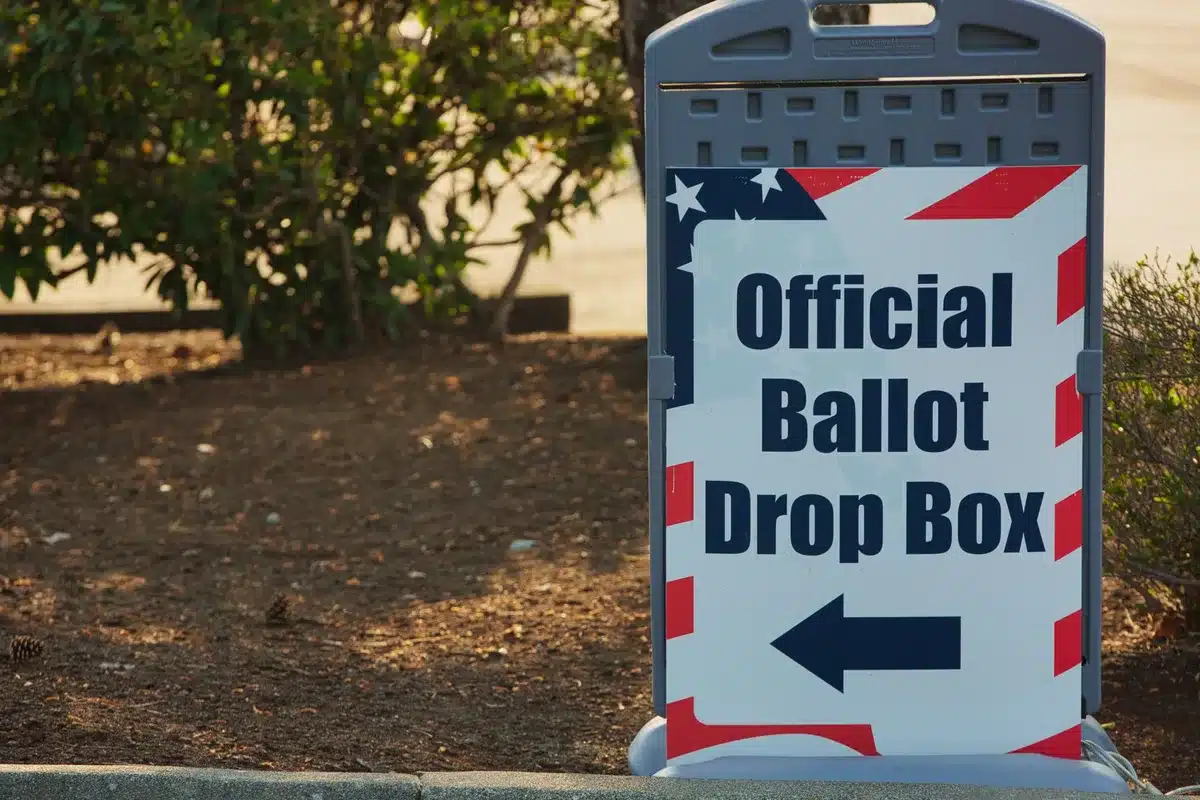
Nearly one in three Americans voted by mail in 2024, according to data cited by voting rights organizations. The proposed rule has drawn strong opposition from election officials, civil rights groups, and Democratic lawmakers, who say the changes would create unnecessary barriers to voting and lack legal foundation.
Sources
- The Guardian — USPS final rule text and court injunctions blocking implementation
- Reuters — Final rule publication details, state voter list requirements, and postal service plans for immediate implementation if courts lift injunctions
- Voting Rights Lab — Federal Ballot Mail Portal requirements and rule specifications
- Constitution Center — Judge Talwani’s injunction and constitutional concerns
- White House — Trump’s March 31, 2026 Executive Order 14399 on citizenship verification for federal elections