President Donald Trump declined to rule out declaring a national security emergency to control voting procedures in the 2026 midterm elections, saying in an August 11 interview that “stranger things have happened” when asked about invoking such powers if the Senate fails to pass his voting legislation.
Conservative commentator Wayne Allyn Root raised the scenario during a Real America’s Voice interview, suggesting Trump could declare an emergency to bypass Congress and implement voting restrictions without Senate approval. Root argued that such a declaration would allow Trump to mandate photo identification, require proof of citizenship for voter registration, and limit mail-in ballots — all provisions in the Safeguard American Voter Eligibility (SAVE America) Act that Trump has made a top legislative priority.
The SAVE America Act has passed the House but stalled in the Senate, where lawmakers departed for their August recess last week without passing it. Senate Majority Leader John Thune and Trump reached a deal on Friday to defer action on the bill until after senators return on September 14. Trump has spent weeks pressuring Senate Republicans to pass the legislation, which would fundamentally reshape voting access nationwide.
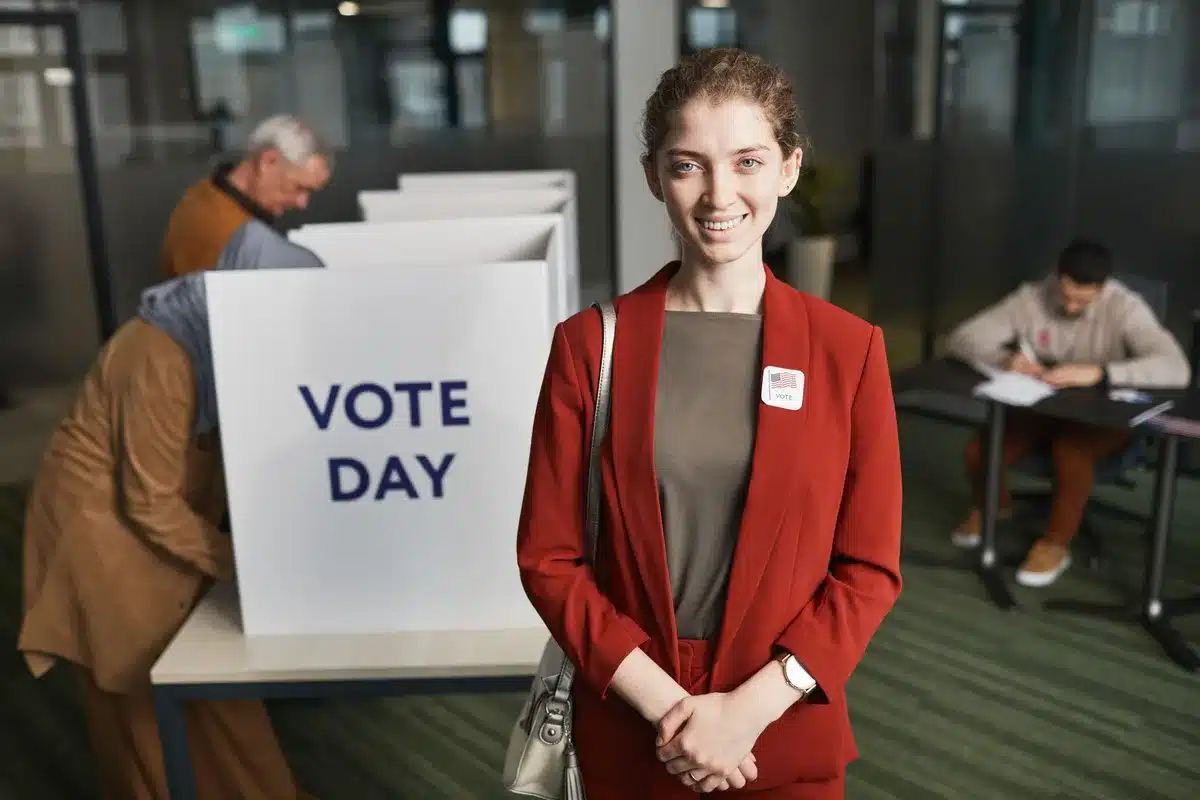
Trump’s comments come amid a broader push to assert federal control over elections, which are traditionally administered by states and local officials. Earlier this year, he urged Republicans to “nationalize” the voting process, and in February he suggested the party should “take over the voting in at least 15 places.” The administration also issued an executive order in March directing the U.S. Postal Service to restrict mail-in ballot delivery and requiring states to hand over voter lists to the federal government.
However, federal courts have repeatedly blocked Trump’s attempts to control voting procedures. A federal judge in Boston reinforced a block on Trump’s mail-voting executive order on August 11, the same day Trump made his emergency declaration comments, finding the order likely unconstitutional. Judge Indira Talwani issued the ruling after the Trump administration sought to implement the restrictions nationwide through the U.S. Postal Service.
The Constitution gives states primary authority over the “times, places and manner” of elections, with Congress able to regulate federal elections but not the president acting unilaterally. Legal experts are skeptical that a national emergency declaration would overcome these constitutional limits. The Constitution does not grant presidents emergency authority to take over elections, and courts have consistently upheld state control over election administration.

If Trump were to declare a national security emergency and attempt to federalize the midterms, Congress could block him through a joint resolution — though such action would likely require veto-proof two-thirds majorities in both chambers. Ty Cobb, who served as White House counsel during Trump’s first term, previously interpreted Trump’s July 16 primetime address on election security as “a predicate that he needs to declare an emergency,” suggesting the administration has been laying groundwork for such a move.
Trump’s openness to emergency powers reflects his frustration with the Senate’s failure to deliver on the SAVE America Act. The bill has never attracted sufficient support despite Trump’s aggressive push, and his comments suggest he may view emergency authority as an alternative path to achieve voting restrictions ahead of November’s elections, when control of Congress will be at stake.
Sources
- CNN — Trump’s August 11 interview declining to rule out national security emergency for elections, details on his prior efforts to control voting
- USA Today — Trump’s “stranger things have happened” comment to Wayne Allyn Root, details on SAVE America Act and Senate recess
- The Hill — Trump’s statement on emergency powers, Wayne Root’s proposal, Senate deal to defer voting bill
- Federal Judge Indira Talwani’s ruling — August 11 order blocking Trump’s mail-voting executive order nationwide as likely unconstitutional
- Cato Institute — Constitutional allocation of election power and limits on presidential emergency authority over elections
- Brennan Center for Justice — Analysis of Trump administration’s lack of legal authority to invoke national security and take over elections