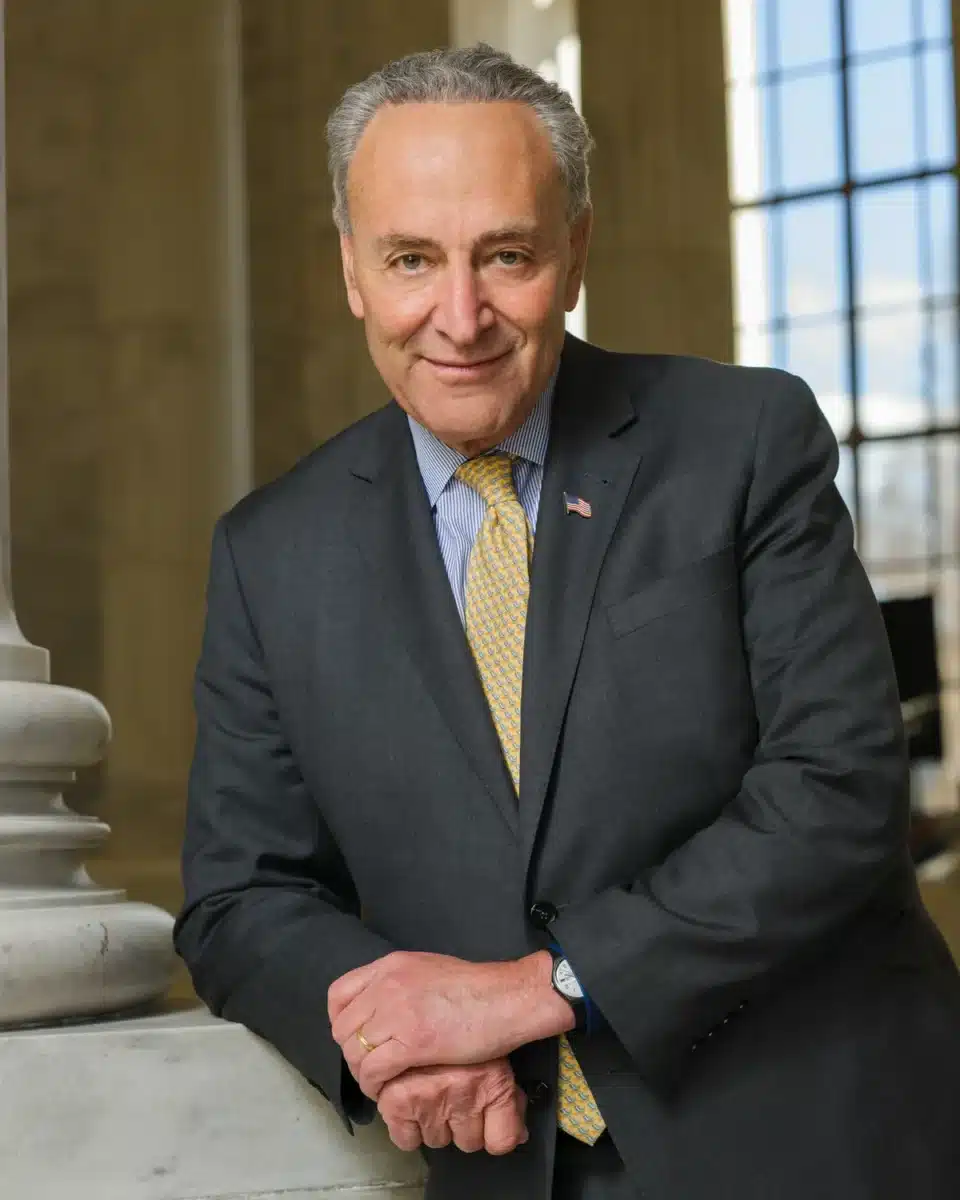
The Cook Political Report moved Texas and Iowa Senate races from “Lean Republican” to “Toss Up” on Thursday, a shift that dramatically expands Democrats’ path to Senate control and prompted Senate Minority Leader Chuck Schumer to declare the chamber itself now competitive heading into November’s midterm elections.
The nonpartisan election handicapper’s decision to upgrade both races reflects a sharply shifting political environment where economic headwinds—particularly Trump’s tariffs and a war in Iran driving up gas prices—have eroded Republican advantages in states the president carried by more than 13 percentage points in 2024.
“The battle for the Senate is now a toss-up, and Democrats are on the path to victory,” Schumer said in a statement following the Cook shift. “Republicans thought they had the Senate locked down. Instead, Democrats have blown the map wide open — and are poised to win the Senate majority.”
Democrats need to gain a net of four seats to win a majority, according to NPR. The Texas and Iowa shifts provide new avenues for Democrats to reach that goal, though both races remain challenging.
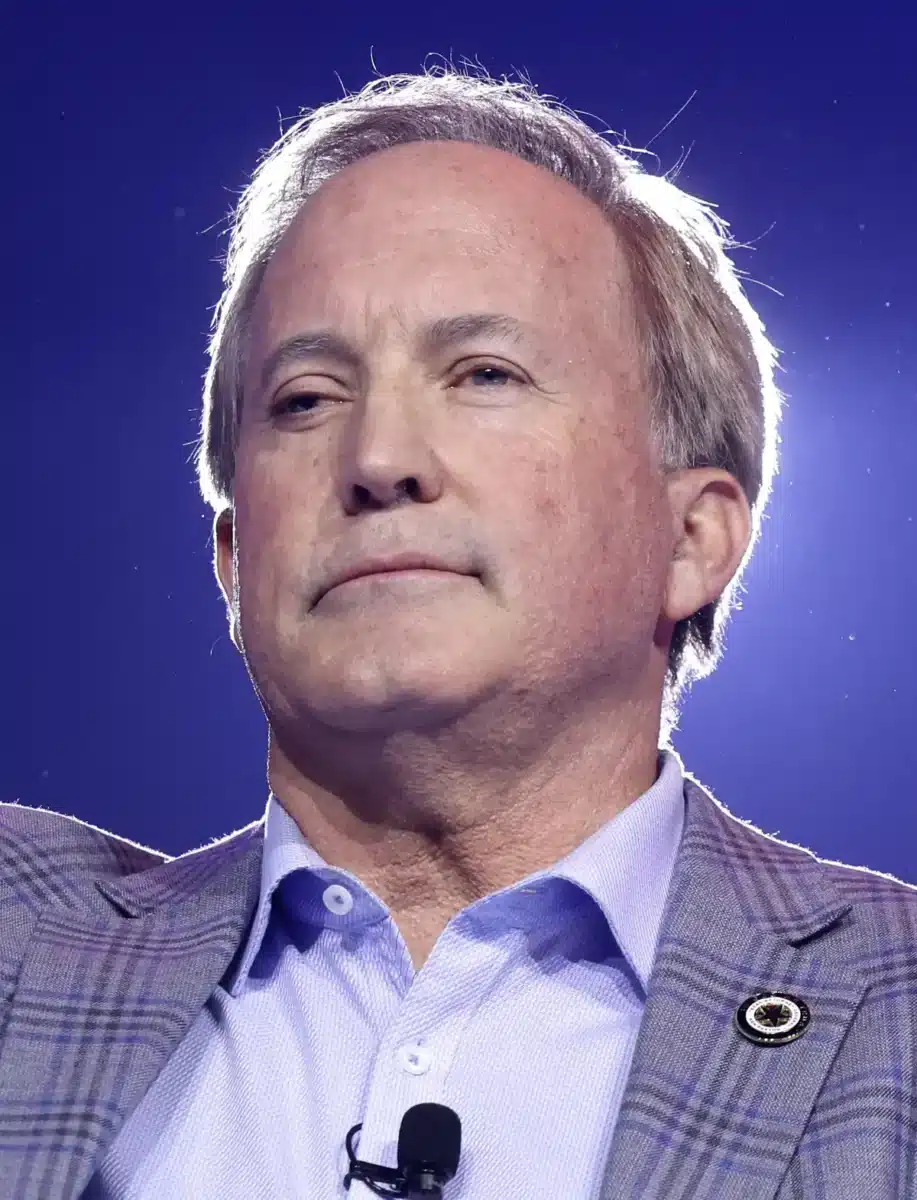
In Texas, Cook Political Report editor Jessica Taylor cited both candidate quality and the political environment as drivers of the shift. Democratic state legislator James Talarico maintains net-positive approval ratings among voters, while Republican Attorney General Ken Paxton carries substantial disapproval and “notably underperforming even a generic Republican in GOP polling,” Taylor wrote. The presence of a libertarian candidate on the ballot could also splinter Republican votes, Taylor noted, giving disaffected GOP voters an alternative to Talarico without voting Democratic.
Talarico has already begun appealing to Republican voters, hiring a senior staffer from Senator John Cornyn’s office, according to NOTUS. However, Taylor acknowledged his vulnerabilities: his past comments that “God is non-binary” and statements about multiple genders will likely become targets of millions of dollars in Republican advertising designed to paint him as outside the mainstream.
Iowa’s shift stems less from candidate quality than from economic conditions. Representative Ashley Hinson, the Republican nominee, is described as a strong recruit and fundraiser. But state representative Josh Turek, the Democratic nominee, has benefited from an agricultural crisis: rising fertilizer and diesel prices, combined with Trump’s tariffs, have uniquely harmed Iowa’s agriculture-dependent economy, Taylor wrote. As in Texas, a libertarian on the ballot could help Turek, though Taylor cautioned that he needs to raise significantly more money for the race to remain a top-tier Democratic opportunity.
Taylor warned that the ratings could shift back toward Republicans as campaigns ramp up spending and voters pay closer attention to the candidates. Republicans have a substantial financial advantage, turbocharged by a recent Supreme Court ruling allowing unlimited coordination and spending. However, Democrats currently hold a voter enthusiasm advantage, according to Taylor’s analysis.

The Cook shift reflects a broader Democratic momentum. Schumer said Senate Democrats have “built the strongest map we’ve had in years by competing everywhere, even in red states.” Democrats are targeting not just Texas and Iowa but also Ohio, Alaska, North Carolina, Maine, and even deep-red Kansas and Mississippi, hoping to force Republicans to defend the economy, the Iran war, and corruption in Washington.
Recent history suggests caution. Political analyst Patrick Ruffini noted in an analysis of more than 3,000 polls from the past four election cycles that Democrats often look competitive in red-state Senate contests during summer only to fade by election day. But this cycle may differ: Trump’s approval rating has cratered to 33 percent according to a Reuters/Ipsos poll, and Republican candidates have struggled to defend high gas prices amid the ongoing Middle East conflict.
Sources
- NOTUS — Schumer’s statement, Cook shift details, tariff and Iran war impacts on Iowa agriculture, Talarico’s hiring of Cornyn staffer, Taylor’s analysis of candidate quality and voter enthusiasm
- The Hill — Cook Political Report’s shift rationale, Ken Paxton’s weakness, James Talarico’s approval ratings, Ashley Hinson’s strength, Josh Turek’s fundraising needs, libertarian ballot impact, Republican financial advantage
- NPR — Democrats needing four-seat flip for Senate majority
- Reuters/Ipsos — Trump approval rating at 33 percent