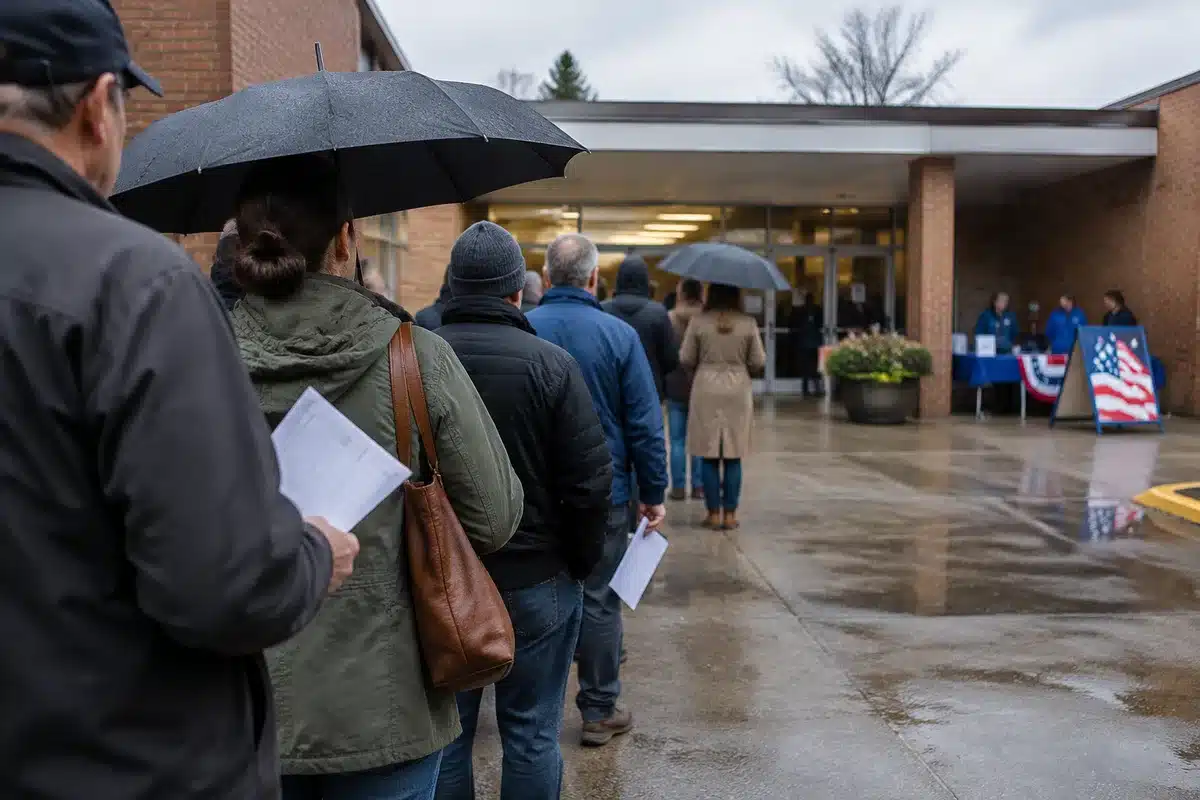
Senate control remains genuinely competitive heading into the 2026 midterm elections, with Democrats targeting a four-seat flip to reclaim the majority from Republicans who currently hold a 53-47 advantage. With 35 seats up for election on November 3—33 regular seats and two special elections—the outcome will hinge on a handful of toss-up races where either party could prevail.
For Democrats to flip the Senate, they must hold all 13 of their vulnerable seats while flipping four Republican-held seats, according to election analysts at Ballotpedia and Cook Political Report. Republicans, by contrast, can afford to lose only two seats and still maintain control, giving them a structural advantage.

The political environment has shifted in Democrats’ favor in recent months. Special elections in 2025 and 2026 have shown consistent Democratic overperformance, with Democrats winning state legislative special elections by margins that exceeded prior general-election results by an average of 10.4 points, according to analysis from Brookings Institution. This suggests a potential tailwind for Democratic Senate candidates, though special election dynamics do not always translate directly to general elections.
Recent rating changes from Sabato’s Crystal Ball at the University of Virginia reflect the tightening landscape. The outlet moved three Senate races in Democrats’ favor in early August—North Carolina to “Leans Democratic” and Alaska and Ohio to “Toss-up”—signaling that competitive seats have moved across the country. The New York Times noted in its 2026 tracker that “the political environment favors Democrats,” citing their wins in governors’ races and special elections.

The 2024 Senate elections provide important context. In that cycle, Republicans flipped four Democratic-held seats—in Montana, Ohio, Pennsylvania, and West Virginia—to regain Senate control for the first time in four years, according to NBC News and Ballotpedia. That outcome demonstrated the volatility of Senate races and the speed at which control can shift. The 2026 map, however, presents a different dynamic: more Republican seats are in play, and Democrats have been signaling momentum through their fundraising and polling in key states.
Analysts remain cautious about declaring any outcome certain. According to a forecast from G. Elliott Morris cited in Paul Krugman’s Substack analysis, Democrats have roughly a 54 out of 100 chance to win Senate control—essentially a true toss-up. Senate control remains toss-up as 35 seats head to November vote, and the outcome will likely depend on which party can better mobilize voters and navigate the final months of campaigning.
The stakes for both parties are substantial. A Democratic gain of four seats would give them a 51-49 majority, allowing them to set the chamber’s agenda. A Republican hold would preserve their ability to block Democratic legislation and confirm judicial nominees. Pence calls 2026 midterms ‘couldn’t be more important’ to nation’s future, reflecting how both parties view this cycle as pivotal. With Congress primary upsets scramble both parties’ control fight, candidate quality and momentum from primary elections will also shape the final outcome.
Sources
- Ballotpedia — confirmed that 33 regular Senate seats and two special elections are up in 2026; stated Democrats need to flip four seats to win majority while Republicans can afford to lose only two
- NBC News — reported 2024 Senate results showing Republicans flipped four Democratic seats to gain 53-47 control
- Cook Political Report — provided Senate race ratings and competitiveness assessments as of August 5, 2026
- Sabato’s Crystal Ball (University of Virginia) — documented three Senate rating changes in early August favoring Democrats, moving North Carolina to “Leans Democratic” and Alaska and Ohio to “Toss-up”
- New York Times — stated in its 2026 midterms tracker that “the political environment favors Democrats” based on special election and governors’ race performance
- Brookings Institution — analyzed special elections showing Democrats overperformed by an average of 10.4 points in state legislative races
- Paul Krugman (Substack) — cited G. Elliott Morris forecast giving Democrats a 54 out of 100 chance to win Senate control