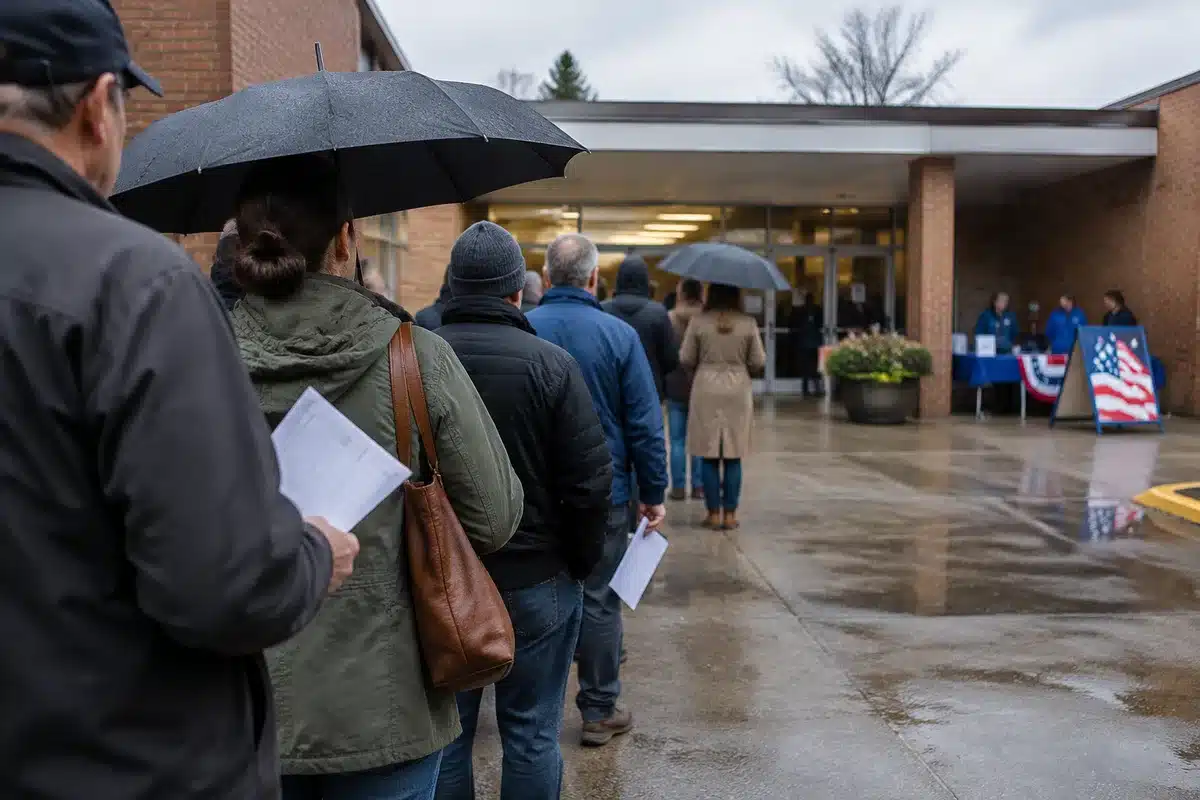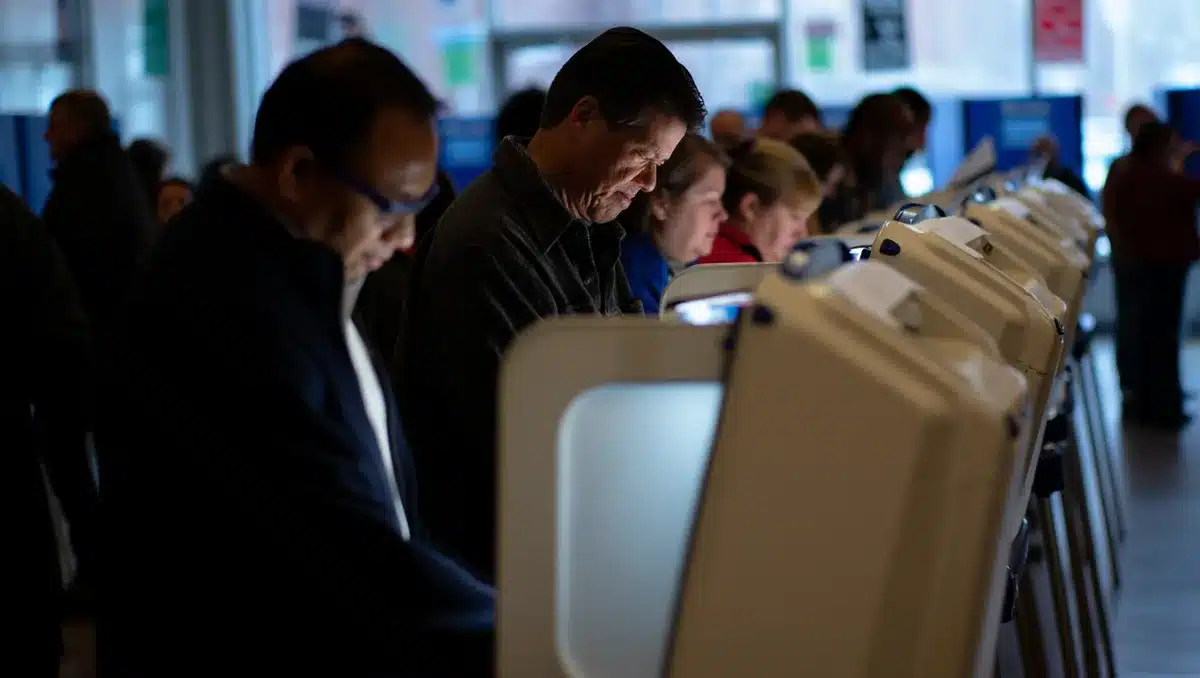
Nine House incumbents have lost their primary elections in 2026, the highest number outside a redistricting year since 1970, scrambling both parties’ paths to control of Congress in November as unexpected winners reshape key races heading into the midterm elections.
The primary upsets span both parties. On the Republican side, three House incumbents failed to secure renomination: Rep. Dan Crenshaw of Texas lost to state Rep. Steve Toth, Rep. Thomas Massie of Kentucky fell to Ed Gallrein, and Rep. Andy Ogles of Tennessee was defeated by former Agriculture Commissioner Charlie Hatcher. On the Democratic side, progressive challengers notched major victories, most notably when Abdul El-Sayed defeated moderate Rep. Haley Stevens in Michigan’s contentious Senate primary race.
The wave of incumbent defeats reflects deep dissatisfaction among voters in both parties. According to NBC News, this level of primary turnover signals an unusually volatile election cycle for a Congress facing disillusioned voters back home. Beyond the nine House members who lost, 62 more House members chose not to seek re-election, further reshaping the chamber’s composition.
These primary results carry significant implications for November’s general election. Republicans currently control the Senate with a 53-45 majority and the House with a 218-212 margin. Democrats need a net gain of four Senate seats to flip control of the upper chamber. The primary upsets have introduced uncertainty into races that were expected to follow more predictable paths, with new nominees now facing different matchups against their November opponents.
The 2026 primary season echoes the 2010 Tea Party wave, when anti-incumbent fervor reshaped the political landscape. In that cycle, 18 House incumbents lost their primaries, and Tea Party-backed candidates challenged more mainstream Republicans, ultimately helping reshape the party’s direction. Like 2010, the 2026 primaries show voters on both sides willing to reject party establishments in favor of insurgent candidates—whether right-wing challengers to moderate Republicans or progressive challengers to establishment Democrats.
Political analysts note that the breadth of these upsets across both parties suggests voter frustration extends beyond a single ideological direction. The losses reflect primary voters’ willingness to punish sitting members, even those with years of seniority, signaling that party affiliation alone may not protect incumbents from well-organized challengers with strong grassroots support.
With roughly three months until the November election, both parties now face the challenge of uniting behind nominees who may lack the name recognition or fundraising networks of the incumbents they defeated. The outcome of the general election will depend partly on whether these newly-minted nominees can consolidate support and appeal to broader general election electorates, which typically differ from primary voters in composition and priorities.
Sources
- NBC News — nine House incumbents lost primaries in 2026, highest outside redistricting years since 1970; 62 House members not seeking re-election
- Washington Post — primary upsets have scrambled the battle for Congress as scandals and insurgent victories reshape races
- The New York Times — Abdul El-Sayed defeated Rep. Haley Stevens in Michigan Democratic Senate primary
- Roll Call — House Republicans who lost primaries include Dan Crenshaw of Texas, Thomas Massie of Kentucky, and Andy Ogles of Tennessee
- NPR — progressives notched major wins in Michigan; voters in Missouri and Washington rejected insurgent Democrats
- Ballotpedia — 137 state legislative incumbents defeated in primaries in 2026, 5% increase over average since 2010