River cruises across Europe are facing widespread disruption as exceptionally low water levels on the Rhine and Danube have forced major operators to cancel and reschedule sailings. From mid-July to mid-August 2026, more than 50% of Viking’s river cruise days were impacted by low water issues, with about 10% to 12% of customers on those affected itineraries choosing to cancel, according to Seatrade Cruise News.
The crisis stems from a severe European drought compounded by record-breaking heatwaves and greatly reduced rainfall and alpine snowmelt. The Danube and Rhine rely heavily on snowmelt from the Alps, which has significantly diminished over recent years, making the rivers vulnerable to prolonged dry spells. This year’s conditions arrived much earlier than typical—shallow waters, usually seen in August, began disrupting operations from early July onward.
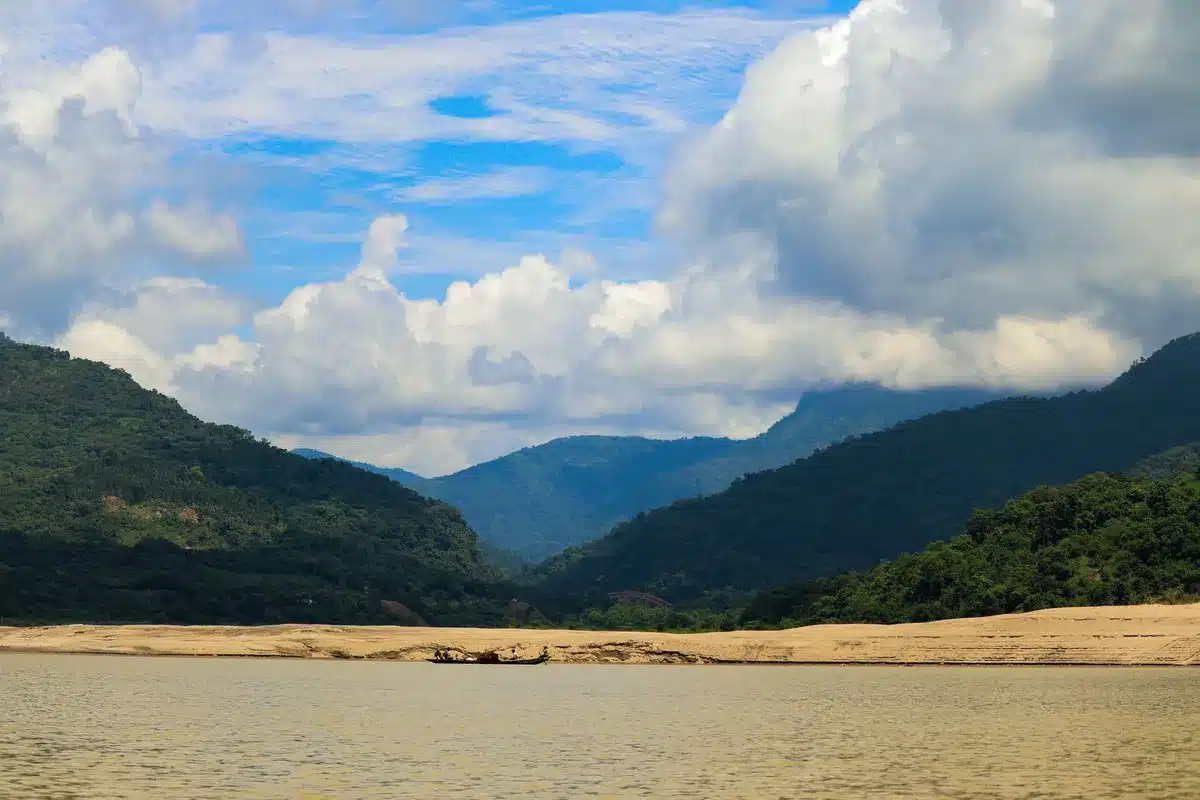
The impact extends across the cruise industry. All major river cruise lines—including Viking, Uniworld, AmaWaterways, and Emerald Cruises—have adjusted itineraries, altered docking locations, and implemented ship swaps to manage the disruption. In late July, a Viking ship ran aground on the Bulgarian Danube; guests and crew were safely transferred ashore. Ships have been unable to dock in key departure port Budapest, instead docking 90 minutes away by coach transfer. Receding waters have exposed not only rocks and sandbars but also World War II-era bombs and even woolly mammoth bones along the Danube.
This is not the first time Europe’s rivers have faced such challenges. Low water levels notably disrupted river cruises in 2018 and 2022, but this year’s conditions are more severe and arrived earlier in the season. According to Seatrade reporting, Viking executives acknowledged that water conditions have impacted the 2022 and 2018 seasons as well, describing low water as “a reality of operating on the rivers.” The company has emphasized its 30 years of experience managing such periods through operational flexibility and itinerary adjustments.
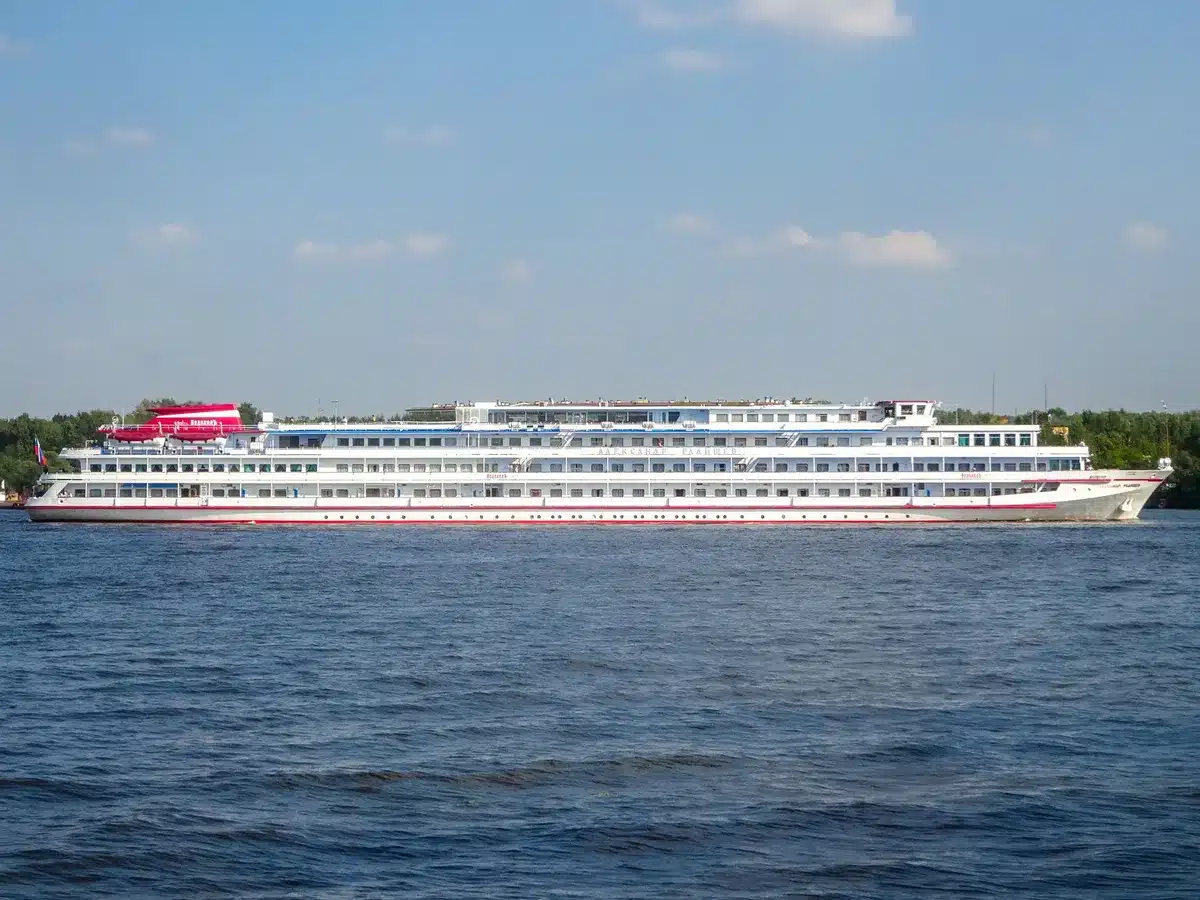
To manage disruptions, cruise lines have shifted passengers to alternative ships when one is available downstream, altered routes to less-affected rivers like the Moselle, or transferred guests to hotels and coaches to complete journeys. In rare cases, cruises are cancelled entirely. Newer ships with shallower drafts, and companies with larger fleets like Viking, have competitive advantages in managing the crisis. Cruise operators have also become more upfront about potential problems, posting travel alerts and adjusting itineraries, though passengers may not learn of changes until days before departure or during the voyage, since water levels can shift from day to day.
To offset customer frustration, Viking has begun issuing vouchers for future-cruise discounts on sailings later in 2026 and into 2027 and 2028. Company leadership stressed that communicating transparently about disruptions “solves most of the problem,” and noted that 2027 booking curves show more than 40% of river inventory already booked at good rates, suggesting no major reputational damage so far.
Sources
- Seatrade Cruise News — Viking’s Q3 impact: over 50% of river cruise days disrupted mid-July to mid-August, 10–12% of customers on those sailings cancelled; voucher response and executive commentary on operational flexibility.
- Sydney Morning Herald — 2018 and 2022 precedent; 2026 conditions arrived earlier than typical; reliance on alpine snowmelt; a ship ran aground in late July; exposed WWII artifacts; cruise industry adaptation strategies.
- Viking River Cruises official statement — Confirmation of abnormally low water levels on sections of the Danube and Rhine rivers.