
NASA’s Lunar Reconnaissance Orbiter has captured the sharpest images yet of a 60-foot-wide crater on the moon carved by a SpaceX Falcon 9 upper stage that struck the lunar surface on August 5, 2026, near Einstein Crater. The 8,800-pound rocket stage plowed into the moon at 5,400 miles per hour after drifting through space for more than a year, releasing energy comparable to roughly 3 tons of TNT.
The Falcon 9 upper stage had launched in January 2025 as part of a mission that deployed a pair of private lunar landers for NASA’s commercial moon exploration program. After completing its primary mission, the rocket stage remained in orbit, where solar activity and gravitational forces eventually pulled it back toward the lunar surface.
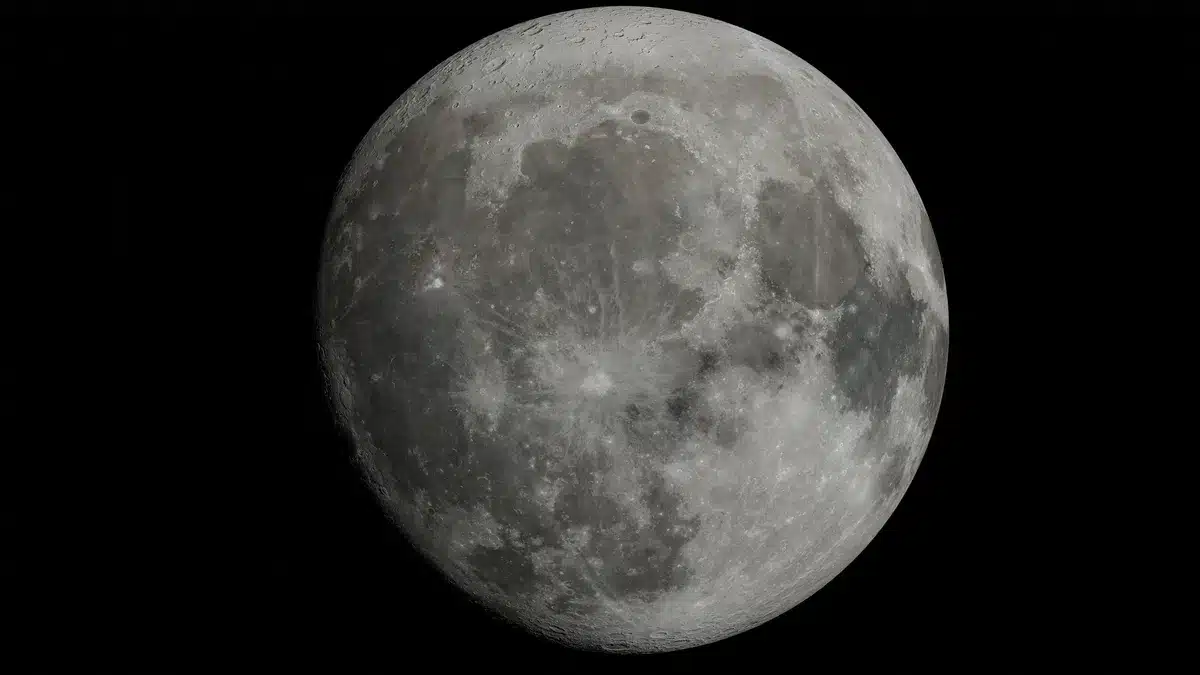
NASA’s orbiter photographed the crater one week after the collision from 60 miles above the surface. The fresh crater appears to be less than 10 feet deep, with distinctive dark and bright streaks radiating outward. The darker lines represent excavated material that was close to the surface and shaped by eons of solar wind and cosmic rays, while the brighter rays indicate fresh rocks and dirt hurled from farther underground.
The spacecraft captured the images while traveling at 1 mile per second along a lunar polar orbit. Flight controllers tilted the orbiter’s cameras to point toward the impact scene, and it took six days after the crash before the site came into view as the moon rotated beneath the spacecraft. South Korea’s Danuri lunar orbiter was the first to photograph the crater shortly after the impact.
Learning from Lunar Impacts
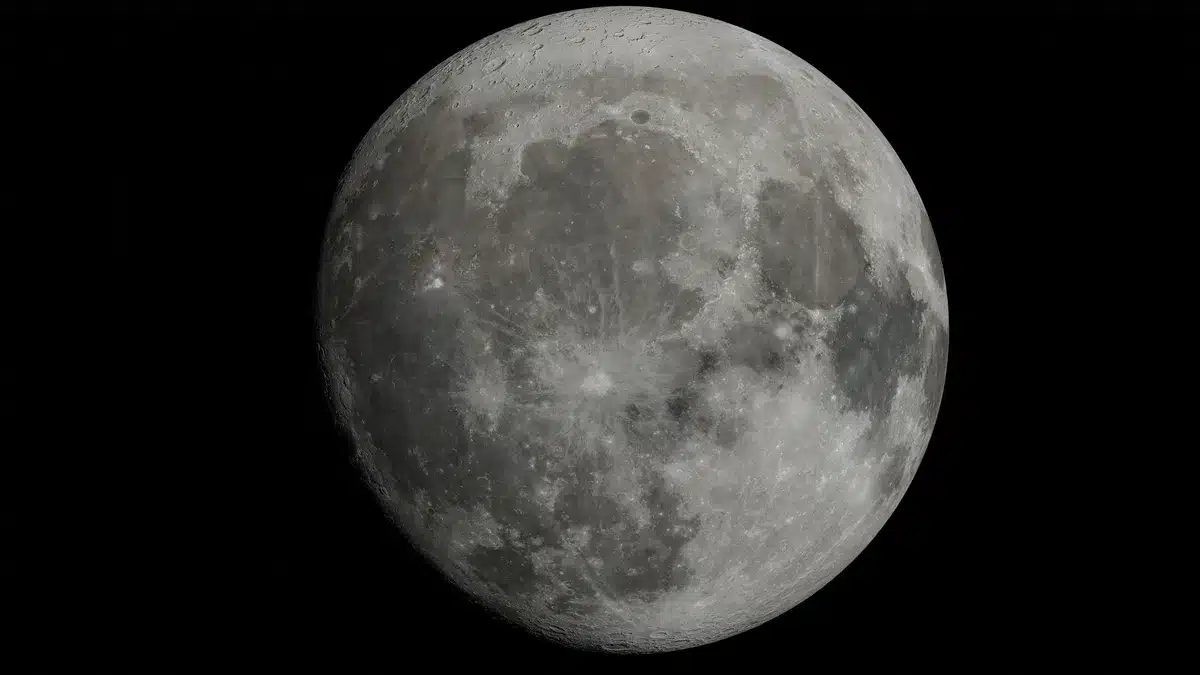
The SpaceX impact provides scientists with rare data on crater formation and the behavior of artificial objects striking the moon. NASA has a history of intentionally using lunar impacts for research: in 2009, the space agency deliberately crashed a rocket stage into a permanently shadowed crater at the moon’s south pole to search for water ice. That controlled impact confirmed the presence of water ice at the location, helping establish the region as a prime target for future moon bases.
The uncontrolled SpaceX impact differs from that earlier mission but still offers valuable insights into how objects interact with the lunar surface. As lunar exploration expands with NASA’s continued imaging of the crater, scientists will continue analyzing the ejecta patterns and crater characteristics to refine their understanding of impact mechanics and lunar geology. The moon has no atmosphere to slow falling objects, so any debris on a collision course inevitably strikes the surface, making such events inevitable as human activity in cislunar space increases.
Sources
- CBS News — Detailed reporting on the crater dimensions, rocket specifications, launch history, and NASA orbiter imaging process
- NASA Science — Official announcement of Lunar Reconnaissance Orbiter images and crater measurements
- Space.com — Timeline and details of the August 5 impact near Einstein Crater
- BBC News — Pre-impact predictions and NASA tracking of the Falcon 9 upper stage
- The Guardian — Analysis of sodium and lithium gas plume detected during impact