The United States is asserting unprecedented control over the Strait of Hormuz through an ongoing naval blockade and military patrols, with shipping traffic through the critical waterway collapsing to a fraction of pre-conflict levels as a 60-day ceasefire agreement between Washington and Tehran expired on August 16, 2026. President Trump claimed on August 12 that the US has “total control” over the strait, which carries roughly one-fifth of global oil supplies, while Iran’s ability to enforce passage through the waterway has been severely constrained.
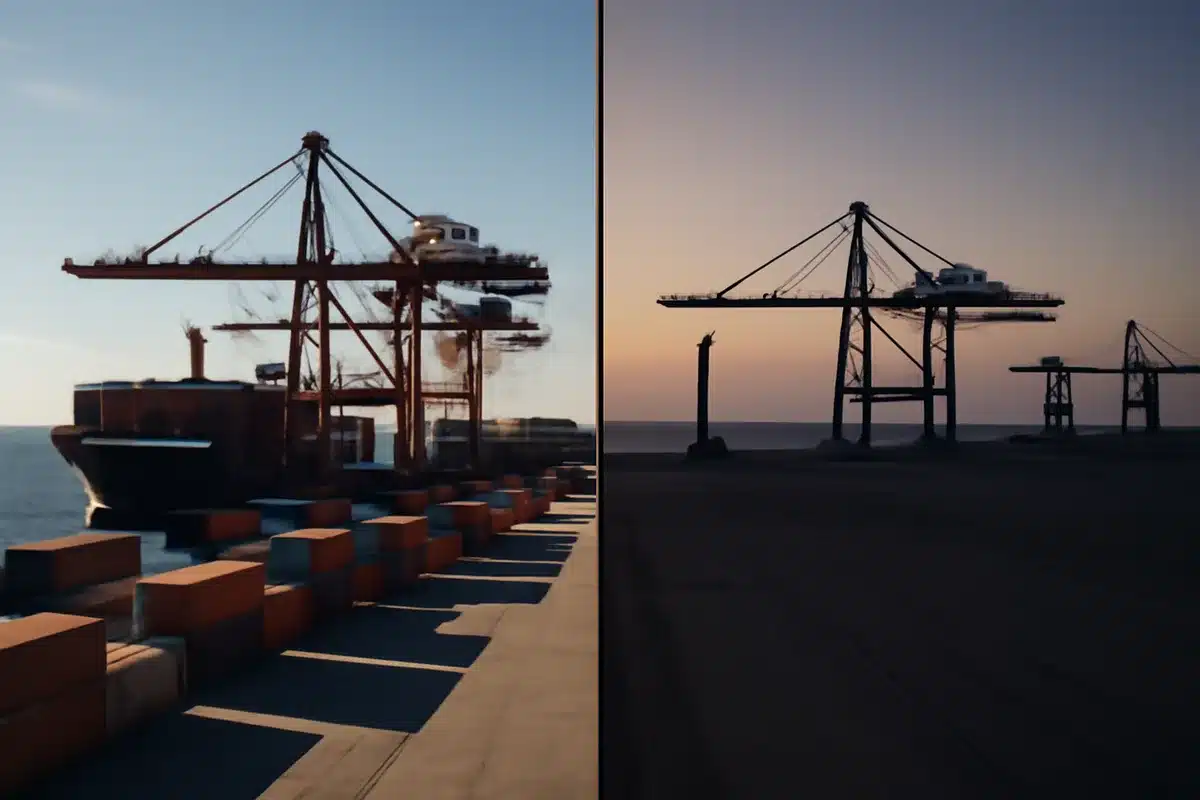
Vessel transits have plummeted dramatically since major combat operations began on February 28, 2026. On August 12, only eight vessels crossed the strait, down from a pre-conflict average of 130 to 140 daily transits, according to Al Jazeera. By August 15, nine vessels passed through, below the August average of 12, according to Reuters citing maritime intelligence firm Windward. The disruption has stranded around 6,000 seafarers aboard vessels unable to safely transit the waterway and sent Brent crude oil prices surging to close to $90 a barrel in mid-August, up 24 percent since the conflict began.
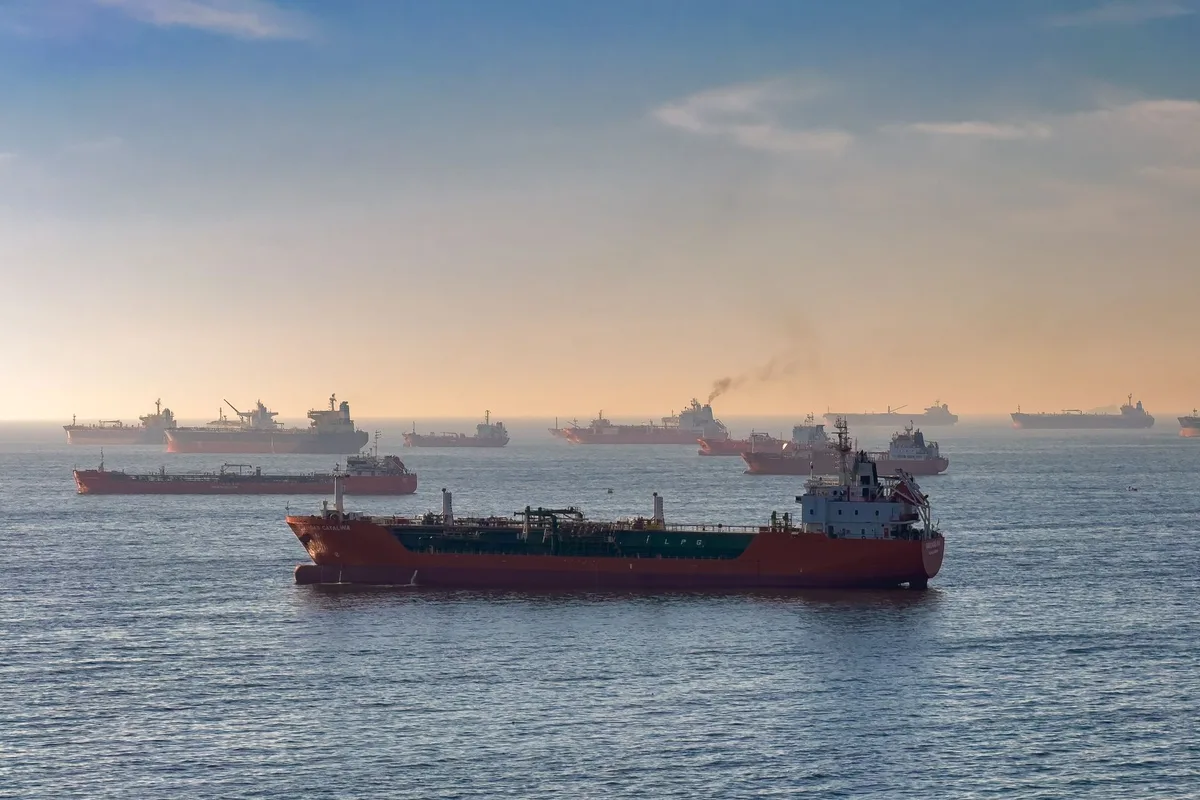
The collapse in traffic reflects Iran’s loss of effective control over the waterway. While Iran had previously enforced an approval system requiring ships to obtain authorization and coordinate passage through designated routes—including via Larak Island—the US naval blockade has made those routes unsafe and unviable. The Islamic Revolutionary Guard Corps Navy, which had maintained patrol boats to enforce Iranian rules, has been unable to prevent US military vessels from controlling shipping movements. Iran’s Deputy Foreign Minister Kazem Gharibabadi stated on August 16 that “the Strait of Hormuz has been Iranian, is Iranian, and will remain Iranian,” but acknowledged the waterway is functionally closed, saying it “cannot be seized by tweet, nor by aircraft carrier, nor by issuing an order.”
Trump escalated the sovereignty dispute on August 14 by vowing to declare the Strait of Hormuz a US territory “pretty soon,” after “we finish defeating Iran.” The declaration prompted immediate Iranian military threats. Major General Amir Hatami warned on August 16 that defenders of the strait will “break your legs” and announced a $30,000 bounty for capturing or killing US troops. Iran’s parliament speaker declared on August 17 that Iran had won the war, citing a June memorandum of understanding as proof of victory, though that deal had already collapsed in July after both sides accused each other of violations.
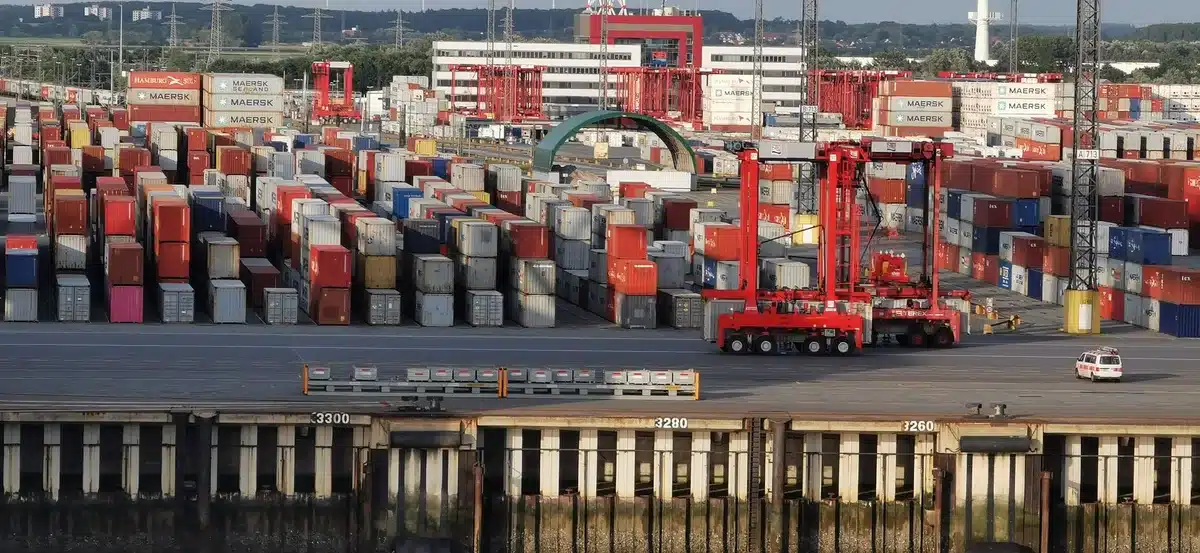
The standoff has created the largest global energy shock in recorded history. Before the war, shipping firms moved roughly 20 million barrels of oil and petroleum products through the strait each day. The US Energy Information Administration said it did not expect Middle Eastern oil production to return to near pre-conflict levels until early 2027. Negotiations to reopen the waterway remain deadlocked, with Iran insisting the US lift sanctions, remove its blockade, and pay war reparations before the strait reopens. Qatar’s Foreign Ministry reported on August 11 that talks between Oman and Iran were at an “advanced stage,” but Iranian officials have stated those negotiations are separate from the issue of reopening the strait itself.
Defense Secretary Pete Hegseth stated the military can maintain the blockade “indefinitely,” with the USS George Washington strike group departing Vietnam on August 12 to replace the USS Abraham Lincoln after more than 250 days of deployment. Treasury Secretary Scott Bessent announced the US will apply economic measures “that have never been seen on Iran,” combining economic isolation with the continued naval blockade. International law, including the UN Convention on the Law of the Sea, limits coastal-state sovereignty over territorial waters to 12 nautical miles and recognizes rights of passage that “shall not be impeded”—a framework that constrains any formal US claim to the strait, which at its narrowest point is only about 21 nautical miles wide and sits between Iranian and Omani territorial waters.
The dispute over the strait mirrors earlier phases of the conflict. When Iran launched a new agency in May 2026 to formally control passage and collect tolls, the US responded by ramping up naval presence. Shipping through the Strait of Hormuz has nearly halted as the United States and Iran clash over control, with Iran threatening Trump over Strait of Hormuz claims. Regional states are now accelerating plans for alternative routes; Gulf nations announced they are targeting 2027 completion of bypass pipelines to circumvent the Strait entirely, signaling a shift in global energy infrastructure away from dependence on the contested waterway.
Sources
- Reuters — Trump’s August 12 claim of US control, vessel transit counts, US warnings to Iran on economic pressure
- Al Jazeera — vessel transit data via Windward, oil price movements, Brent crude levels, Iran’s demands for reopening, Trump’s August 14 territory declaration
- CNN — Trump’s August 14 statement declaring intent to make Strait a US territory
- CNBC — Iran’s Deputy Foreign Minister Gharibabadi’s response, Treasury Secretary Bessent’s statement on economic measures, bulk carrier strike report
- The Sun — Major General Amir Hatami’s threat and $30,000 bounty announcement
- Windward — maritime intelligence on vessel transits and pre-conflict shipping volumes
- NBC News — Defense Secretary Hegseth’s statement on indefinite blockade capability, USS George Washington deployment
- Politico — ceasefire expiration details and negotiation status