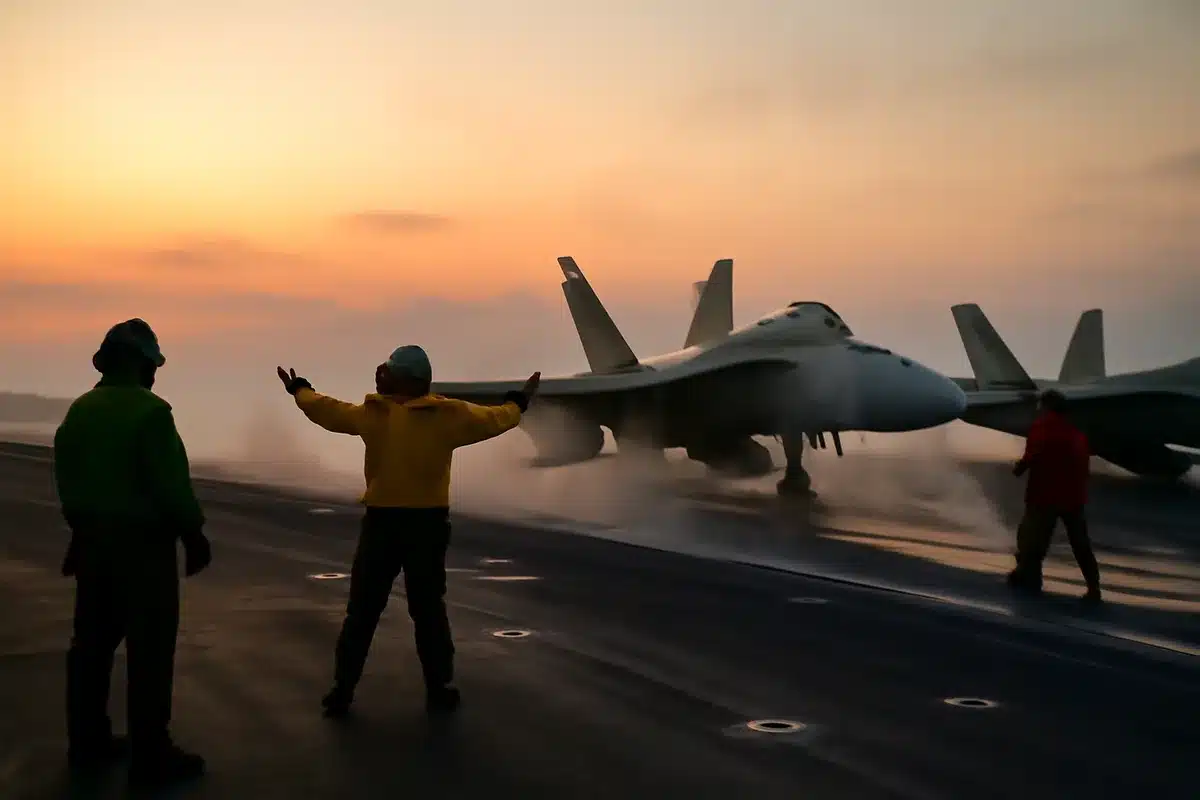
The U.S. Navy is expected to announce the winner of its sixth-generation fighter competition in August 2026, choosing between Boeing and Northrop Grumman to build the F/A-XX carrier fighter that will shape naval aviation into the 2050s. Chief of Naval Operations Adm. Daryl Caudle confirmed the decision timeline in April, saying the Pentagon has committed to the downselect after months of evaluation.
The F/A-XX is designed to replace the aging F/A-18E/F Super Hornet, which has served the Navy since 1999. The new aircraft will operate alongside the F-35C and autonomous drones, extending the carrier air wing’s range and stealth while keeping aircraft carriers viable against increasingly sophisticated adversaries. The Navy plans to begin fielding the system in the 2030s, though no firm in-service date has been publicly set.
Boeing brings proven carrier fighter expertise—it currently builds the Super Hornet—and won the Air Force’s F-47 sixth-generation contract in 2024. However, that success cuts both ways: the company is already managing a full portfolio of advanced aircraft programs. Northrop Grumman, meanwhile, is deep into development of the B-21 Raider stealth bomber for the Air Force, arguably one of the most advanced aircraft programs underway. Industrial capacity and the ability to deliver on schedule may prove as decisive as raw engineering capability.
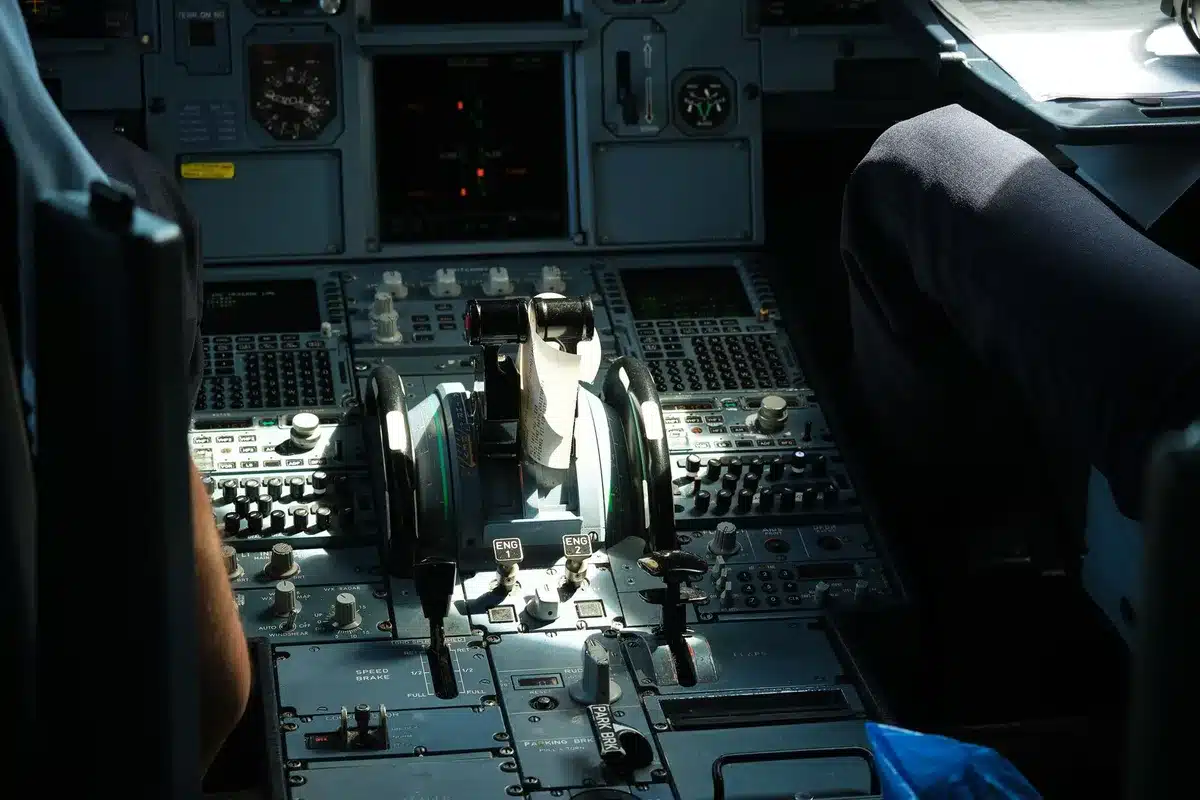
Lockheed Martin was eliminated from the competition in March 2025 after its proposal failed to meet the Navy’s requirements, leaving only two bidders. Caudle indicated that one of the remaining contractors faced timeline challenges. “One of the contractors who would make this plane for us is in a place where they really can’t deliver in the timeframe we need it,” he said, adding that the Navy applied a “check twice, cut once” mentality to avoid repeating past procurement mistakes.
Congress appropriated $1.7 billion for the F/A-XX program in fiscal year 2026, a significant increase from earlier funding levels. The Navy had requested only $140 million, underscoring Congressional urgency to accelerate the program. The decision comes as the Navy confronts the rising cost of adversary air defenses and the democratization of long-range strike capability through low-cost drones, making stealth and extended range essential for keeping carrier strike groups beyond missile reach.
The F-35 program offers a cautionary precedent. The joint strike fighter cost an estimated $2 trillion over its 60-year lifetime through 2088, faced decades of delays, and remained functionally a prototype years into production. The Navy is determined not to repeat that trajectory. The sixth-generation fighter will need to operate in an integrated air wing concept alongside unmanned systems, requiring advanced networking and sensor fusion capabilities that go beyond the F-35’s design generation.
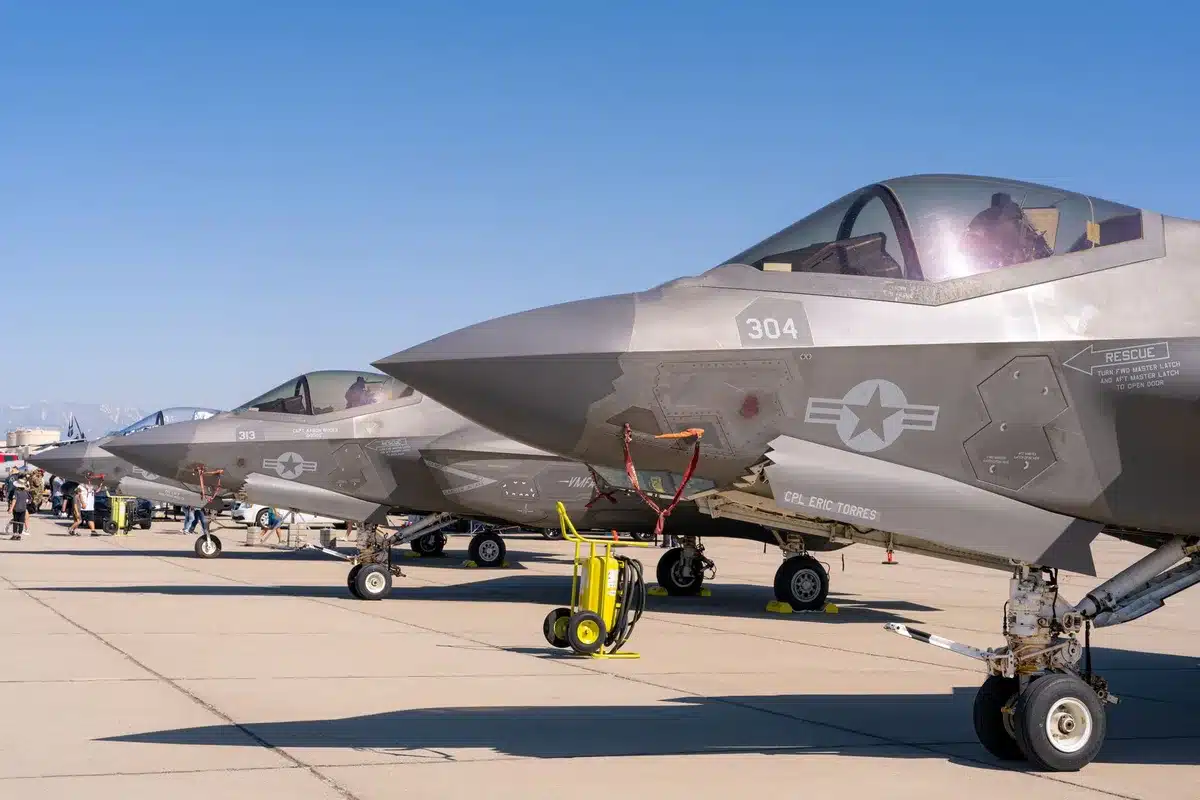
The F/A-XX competition reflects broader questions about U.S. industrial capacity. Both Boeing and Northrop Grumman are stretched across multiple major defense programs. Boeing is simultaneously developing the F-47 for the Air Force while managing production of the Super Hornet and other platforms. Northrop is building the B-21 Raider, one of the most secretive and complex aircraft ever attempted. The Navy’s choice will effectively determine which company can juggle these competing demands while delivering a clean-sheet stealth fighter on schedule and within budget—a challenge that has defeated contractors before.
The stakes extend beyond the contract itself. Sixth-generation fighters represent the last generation of manned fighter aircraft development that will likely occur under current doctrine. Whoever wins the F/A-XX contract will define naval air power for decades, while the loser will watch a rival shape the future of carrier operations. The decision, expected within weeks, will reverberate through military aviation for the next 30 years.
Sources
- USNI News — CNO Adm. Daryl Caudle’s announcement of August 2026 downselect decision and Navy’s reasoning on contractor timeline concerns
- MiGFlug — Details on Boeing and Northrop Grumman competition, industrial capacity analysis, and F/A-XX mission requirements
- Defense Scoop — Navy’s commitment to August decision timeline and Pentagon approval under Deputy Secretary Feinberg
- Flight Global — Pentagon funding acceleration ($750 million) and F/A-XX timeline to 2030s service entry
- GAO and Congressional sources — F-35 lifetime cost estimates and lessons learned for future programs