Frank Kendall, the 26th Secretary of the Air Force, predicts that manned fighter planes will eventually become obsolete, according to his newly released book “Lethal Autonomy: The Future of Warfare Whether We Like It Or Not,” published July 7, 2026. Kendall argues that unmanned, stealthy tactical aircraft will replace the crewed fighters that have dominated air combat since World War I.
Kendall’s central thesis challenges decades of military aviation doctrine. In the book, he writes: “The manned ‘fighter plane’ as we’ve understood it since World War I will ultimately become obsolete.” He contends that the combination of speed, maneuverability, and close-range dueling—traditional hallmarks of fighter design—will no longer define air combat.
The former Air Force secretary spent four years leading the service from 2021 to 2025, during which he championed the development of Collaborative Combat Aircraft (CCAs)—unmanned lethal platforms designed to operate autonomously in small formations. As secretary, Kendall invested in the program with the vision of fielding 1,000 CCAs in the future force. The first increment of these aircraft is now well on the way to operational deployment.
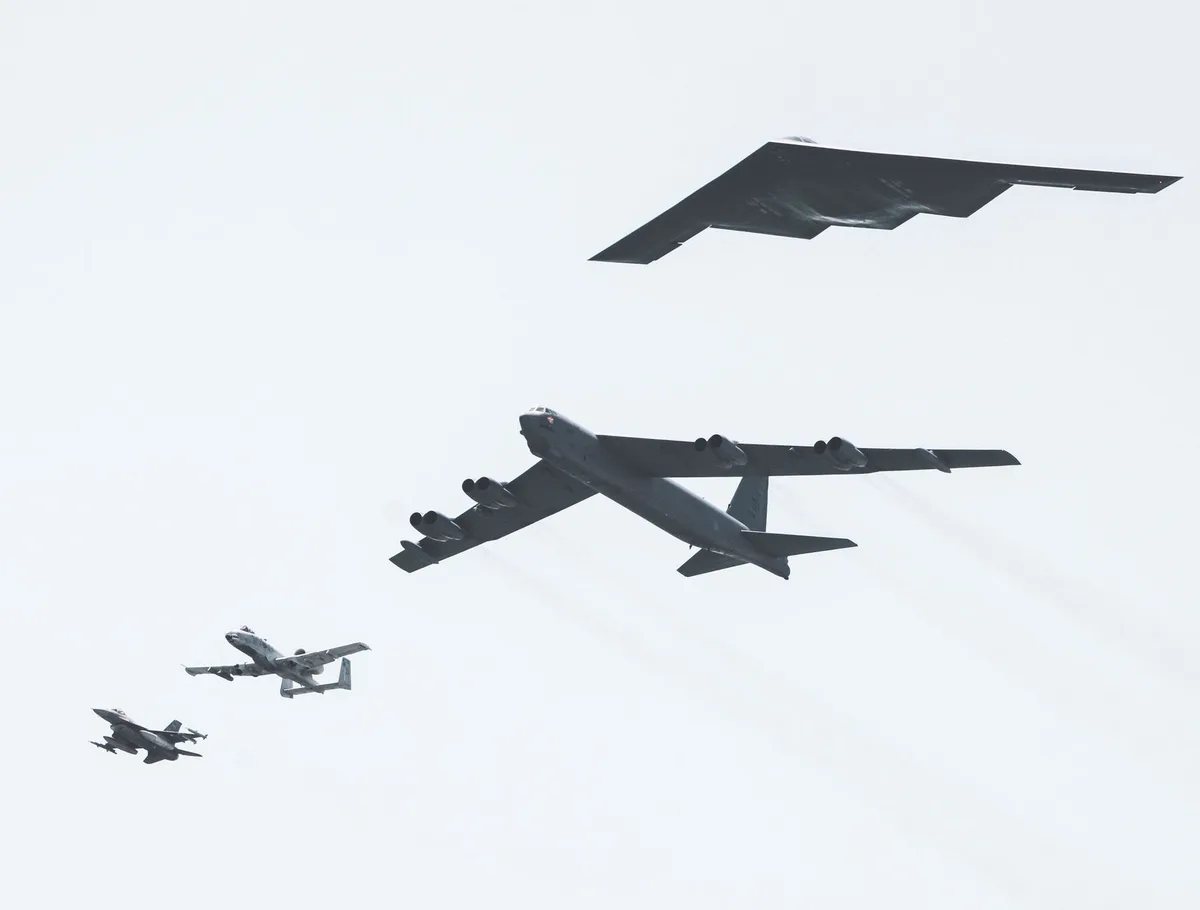
Kendall identifies several drivers behind this transformation. Modern tactical aircraft face survivability challenges from long-range precision missiles and hypersonic weapons that make current fixed air bases increasingly vulnerable. The high cost of manned fighters—exemplified by the F-35—combined with their long production timelines and expected attrition rates in peer conflicts, creates logistical constraints. If the U.S. faces a prolonged conflict with a peer competitor, Kendall argues, it could run out of expensive manned airframes within weeks or months.
Additionally, Kendall notes that decision-making speeds required in future air combat will exceed human capability. “Tactically required decision times, especially in engagements involving more than a very small number of opposing aircraft, will eclipse anything a human can ever accomplish,” he writes. Missile maneuverability and speed already dramatically exceed human physical limits, and future unmanned platforms will match those capabilities without the constraints of keeping a pilot alive.
In Kendall’s proposed future force, unmanned stealthy tactical aircraft would operate collaboratively and autonomously in squadron-size formations, delivering weapons against targets designated by off-board sensors. Humans would retain command and control at higher operational levels—likely at squadron or wing level—but the tactical air-to-air and strike missions would be conducted by machines. This represents a fundamental shift from the current model, where crewed fighters provide tactical control of associated unmanned wingmen.
Kendall’s vision aligns with ongoing U.S. Air Force initiatives. The service has been accelerating development of autonomous combat aircraft, and the next-generation autonomous combat aircraft market is projected to grow from $3.59 billion in 2026 to $23.98 billion by 2034. However, Kendall emphasizes that the transition will not happen overnight. The “next” force currently in development will continue to rely on manned fighters controlling unmanned systems, a configuration he expects to persist for several more years before the shift to fully autonomous short-range air operations occurs.
As secretary, Kendall also championed the Collaborative Combat Aircraft program, which pairs unmanned drones with manned fighters in the near term. This stepping-stone approach allows the military to gain operational experience with autonomous systems while maintaining the command-and-control reliability that human pilots currently provide. Australia is pursuing a similar concept with Boeing’s Ghost Bat, reflecting Kendall’s expectations for the second increment of CCA development.
Kendall’s book also addresses broader questions about lethal autonomy and arms control. He argues that effective international restrictions on autonomous weapons are unlikely to succeed because the enabling technologies will advance for independent reasons, and military advantages will become too apparent for nations to ignore. The genie, he concludes, cannot be put back in the bottle—autonomous weapons development is already well underway globally.
Sources
- Air & Space Forces Magazine — Frank Kendall’s article “Autonomy and the Short-Range Air Fight,” excerpted from his book “Lethal Autonomy,” published July 24, 2026, with his direct quote on manned fighters becoming obsolete.
- Washington Examiner — July 7, 2026 article on Kendall’s book release and his vision for the future of warfare, including his assessment of military dominance and the need for transformation.
- Breaking Defense — June 25, 2026 excerpt from “Lethal Autonomy” on autonomous weapons and arms control, discussing the challenges of restricting lethal autonomy development.
- CSIS — January 13, 2025 transcript of Kendall’s remarks on the Department of the Air Force in 2050, discussing the role of CCAs and the future of tactical air operations.
- Simon & Schuster / Knox Press — Publisher information confirming the July 7, 2026 release date of “Lethal Autonomy: The Future of Warfare Whether We Like It Or Not.”