President Donald Trump claimed Monday that the U.S. Navy has swept the Strait of Hormuz clear of mines and now holds “100%” control of the waterway, a critical shipping lane that carried roughly a fifth of the world’s oil before the conflict with Iran.
“It’s open now,” Trump told reporters at the White House, adding that the U.S. was “the only one that has control of the Strait of Hormuz right now,” according to CNBC. The announcement came as Trump also demanded that Iran pay reparations for what he called “the damage they’ve done over a 50-year period.”
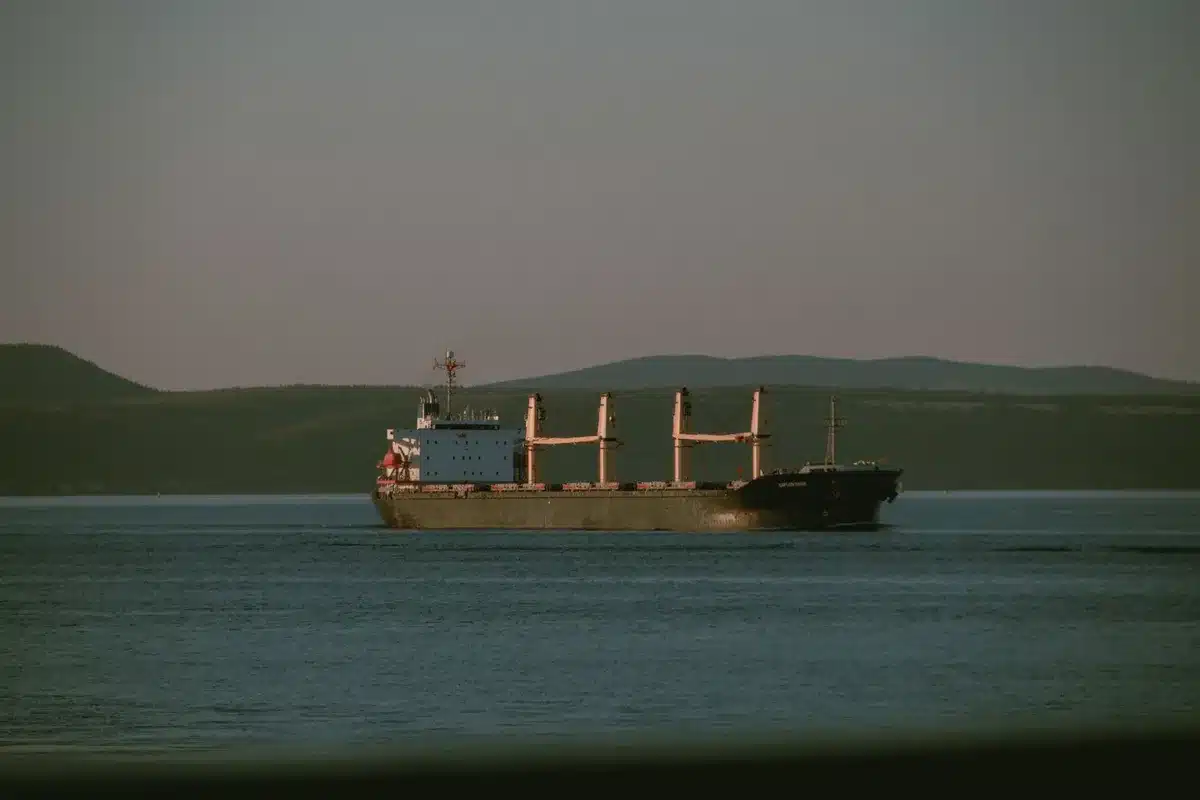
Trump’s assertion contrasts sharply with expert assessments of the mine-clearing challenge. The Pentagon told Congress in April that fully clearing the Strait of Hormuz could take up to six months, according to the Washington Post. Military analysts have also highlighted a significant gap in U.S. mine-clearing capabilities, noting that the Navy has historically relied on NATO allies for this specialized work.
“The US has become increasingly dependent on NATO allies for some military capabilities, such as mine-clearing,” according to reporting by the ABC News. Kevin Rowlands, journal editor for the defence think tank Royal United Services Institute, told the outlet that if effort were needed to remove mines, “trying to keep a route open in an area where you are not absolutely certain that it’s clear, they go on for — it’s not days or weeks — it’s months and years.”
The standoff over the Strait of Hormuz reflects a broader deadlock between Washington and Tehran. Iran’s Supreme National Security Council secretary laid out conditions for reopening the strait on Saturday, including that Washington lift its naval blockade and sanctions, withdraw American forces from the region, pay war reparations, and release frozen Iranian assets, according to CNBC. Trump has signaled he is prepared to maintain the blockade until Iran agrees to U.S. terms.
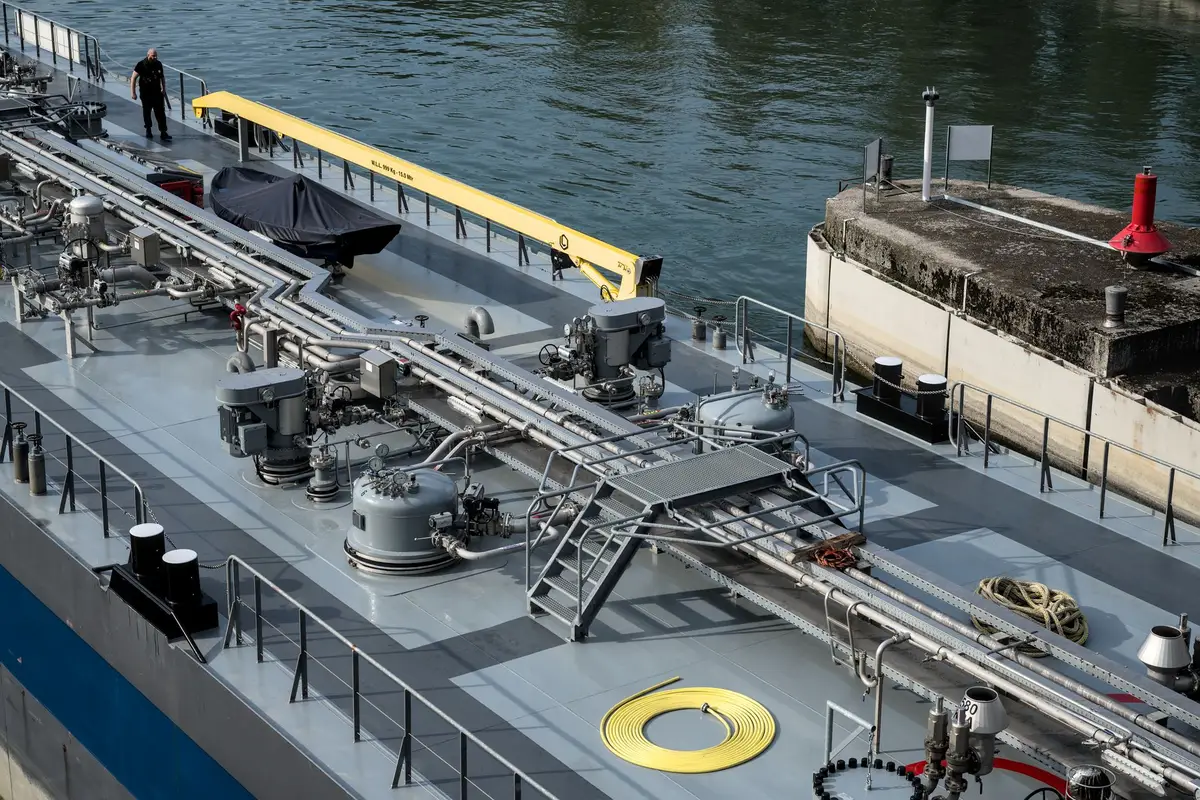
The Strait of Hormuz has been largely blocked by Iran since late February 2026, following U.S. and Israeli military strikes. A brief window appeared to open in mid-April when Iran’s foreign minister announced the strait would reopen for the remainder of a ceasefire, but Trump’s claim that mines had been removed prompted Iran to reverse course and close the waterway again within hours. The impasse leaves Washington treating its naval presence as a guarantee of access, while Tehran views that same presence as the primary obstacle to normalizing traffic.
The mine threat itself remains significant. Even Iran has reportedly acknowledged difficulty locating all the mines it deployed, and estimates suggest as many as 80 mines remain in the main shipping lane. Military experts warn that the psychological impact of mines—the mere threat of them—can be as effective as their actual presence, making any resolution contingent on confidence-building measures neither side has yet agreed to.
Trump’s reparations demand introduces a new complication to negotiations. He instructed his representatives to include compensation claims in future talks, citing civilian and military deaths and casualties. Iran’s Foreign Ministry responded by pushing back on the economic front, with spokesman Esmail Baghaei accusing Washington of resorting to sanctions whenever diplomacy fails, characterizing the pattern as less a “policy” than a “compulsive addiction.”
Sources
- CNBC — Trump’s claim of 100% control of the Strait of Hormuz, mine-clearing assertion, reparations demand, and Iran’s conditions for reopening the strait
- Washington Post — Pentagon assessment that mine clearing could take six months
- ABC News — Expert analysis of U.S. mine-clearing capability gaps and reliance on NATO allies; Kevin Rowlands commentary on timeline for mine-clearing operations