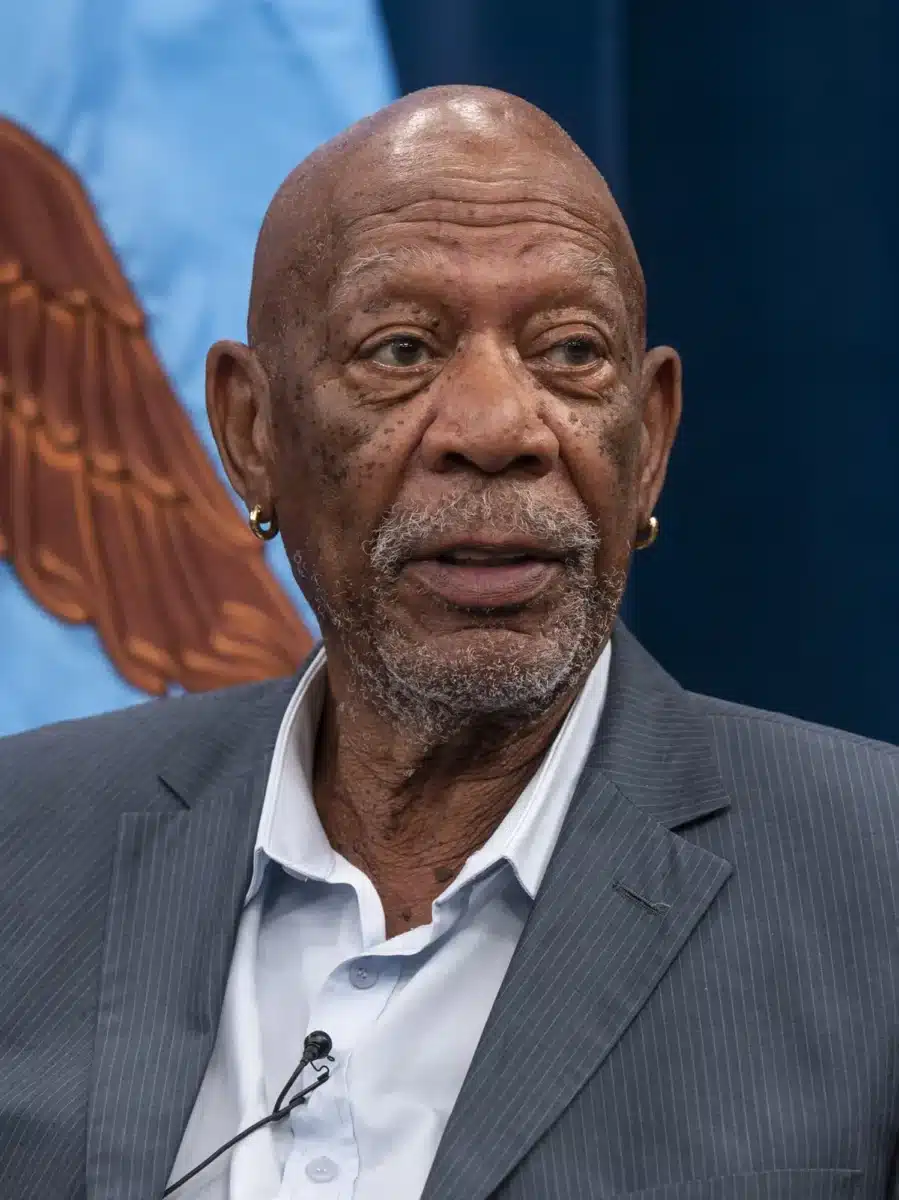
Jimmy Kimmel said late night television’s future depends on political change, telling The Hollywood Reporter that “a different president would be a good start” when asked what it will take to save the industry. The comment reflects deepening concerns about the format’s viability as networks and hosts grapple with declining viewership, political pressure, and competition from streaming platforms.
Kimmel made the remark in an interview published on August 7, 2026, during a tumultuous year for the late-night host. He was temporarily suspended by ABC in September 2025 after making controversial remarks about Trump following the assassination of Charlie Kirk, and faced fresh calls for his firing this spring after a joke about Melania Trump. Despite the turbulence, his show earned multiple Emmy nominations, including for outstanding variety series.
The challenges facing late-night television extend far beyond any single host or network. CBS ended Stephen Colbert’s Late Show in May 2026, marking the retirement of the franchise after 32 years. The network cited financial reasons for the decision, but the cancellation signaled a broader reckoning in an industry that once anchored prime-time television. Nielsen data shows Colbert’s show lost approximately 1 million viewers over the past eight years—a 26 percent decline—as audiences shifted to streaming services and YouTube clips.
Late-night viewership has plummeted across the board. In the second quarter of 2026, NBC’s Late Night with Seth Meyers averaged 974,000 viewers, down 3 percent from the previous year. The overall decline reflects a generational shift: younger audiences increasingly consume comedy and news through social media and on-demand platforms rather than tuning in at scheduled times.

The political environment has added another layer of pressure. Late-night hosts have faced repeated calls for censorship or firing from the Trump administration and its allies. When Kimmel and other hosts increased their political commentary, Trump celebrated the cancellation of Colbert’s show and threatened other networks, a pattern that media analysts say reflects the administration’s growing power over traditional broadcast television.
Kimmel’s comment about needing “a different president” to save late night underscores how thoroughly the format has become intertwined with electoral politics. For decades, late-night television thrived as a cultural institution where comedians could mock politicians and current events with relative freedom. Today, that freedom feels increasingly precarious, with networks weighing the cost of hosting politically outspoken personalities against advertiser concerns and political pressure.

Industry observers suggest the format needs fundamental reinvention to survive. The rise of streaming has fragmented audiences, and advertising revenue has shifted toward sports and digital platforms. Yet some analysts argue late-night television remains culturally significant precisely because it combines topical commentary with entertainment in ways that podcasts and social media clips cannot fully replicate.
Sources
- The Hollywood Reporter — Jimmy Kimmel interview on late night’s future and his Emmy-nominated year
- Nielsen data via Observer — Viewership trends for The Late Show with Stephen Colbert over eight years
- CBS News — Announcement of The Late Show cancellation in July 2025
- Latenighter.com — Q2 2026 late-night viewership ratings
- The Washington Post — Analysis of late-night television’s political challenges and industry decline