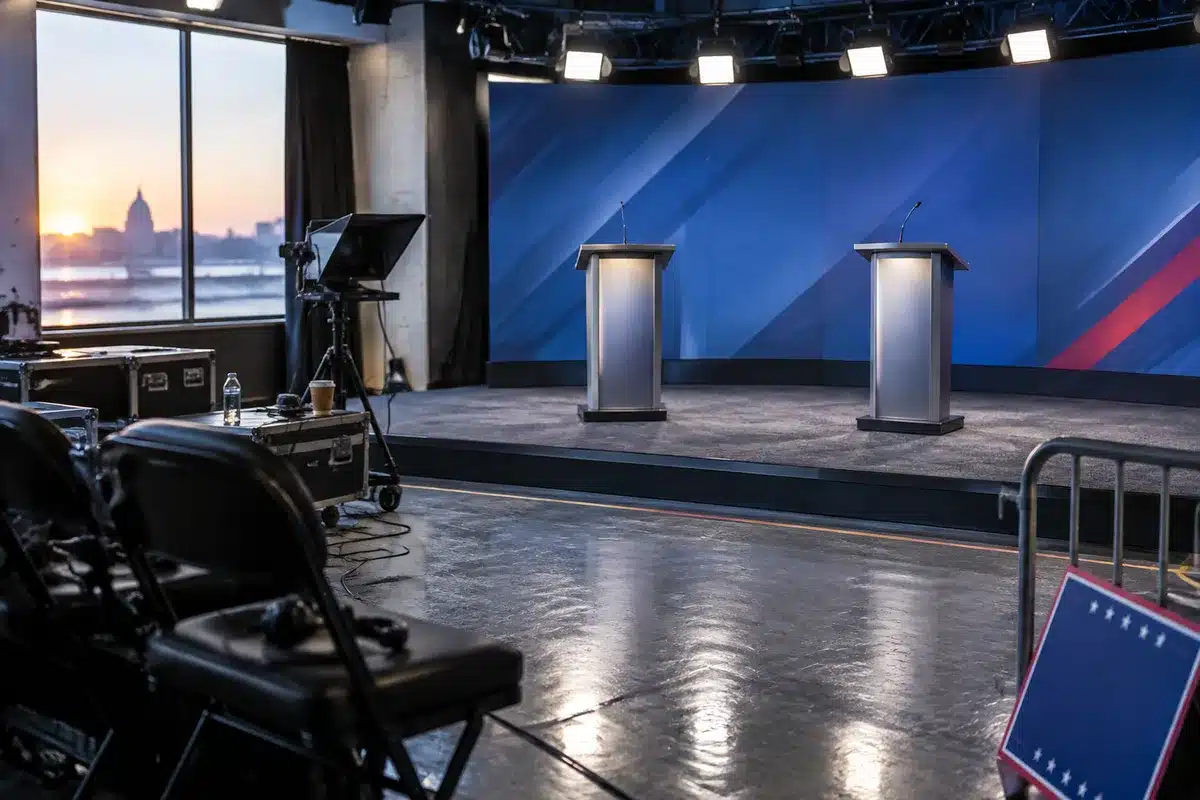
Jimmy Fallon stands alone as the primary late-night host on broadcast television during August 2026, with competitors taking extended summer breaks that have left NBC’s “Tonight Show” without regular rivals for the first time in decades. Fallon will air new episodes throughout August on NBC weeknights, while Seth Meyers’ “Late Night” is off until September 21 for a seven-week hiatus — the longest planned break in that show’s history — and Jimmy Kimmel relies on guest hosts for the remainder of the summer.
The temporary monopoly marks a dramatic shift in late-night television’s competitive landscape. Stephen Colbert’s “Late Show” was canceled by CBS in May 2026, and the network no longer competes in the late-night slot, instead leasing it to entrepreneur Byron Allen. This configuration echoes the era when Johnny Carson dominated “The Tonight Show” before networks like ABC and other outlets enlisted competitors such as Arsenio Hall or Joan Rivers to challenge his dominance.
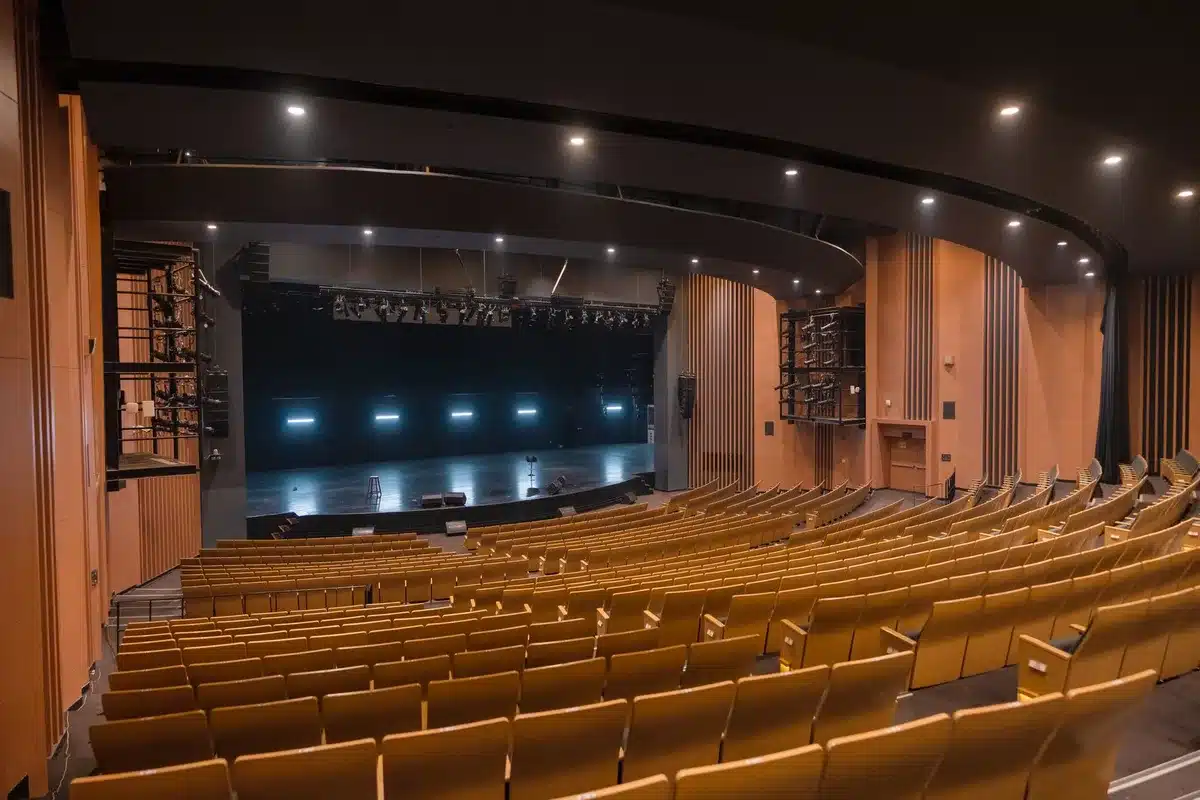
Seth Meyers’ seven-week shutdown is unprecedented for the NBC franchise. Since “Late Night” launched in February 2014, the show has occasionally taken breaks of three or four weeks, but never one this long outside of the five-month shutdown caused by the 2023 writers strike. NBC will air repeats of “Late Night” during the break, a strategy that distinguishes it from Comedy Central’s approach with “The Daily Show,” which took a five-week summer vacation and went completely off the air.
The summer schedule reflects broader challenges facing late-night television. According to advertising data tracked by Guideline, ad spending on late-night shows fell to $209 million in 2025, down from $519.7 million in 2017 — a drop of nearly 60 percent. The decline has forced networks to rethink production schedules and costs during the summer months, when viewership is traditionally at its lowest.

Fallon and NBC have capitalized on the reduced competition by booking high-profile guests from upcoming films and entertainment projects distributed by NBCUniversal, the parent company of both “Tonight Show” and “Late Night.” The network is also leveraging Fallon’s portfolio of projects outside late-night television, including his role as host and producer of game shows and branded content series, to maintain engagement with audiences during the summer lull.
Industry analyst Stephanie Dolan of Deloitte noted that late-night television is not disappearing but is being replaced by a multiplatform content ecosystem. “The audience, the economics, and the cultural conversation have moved from an appointment viewing at 11:35 p.m. to the always-on multiplatform content ecosystem,” she said, according to Variety. Late-night shows now compete for online views and social-media engagement rather than traditional Nielsen ratings, with clips and segments shared across YouTube, TikTok, and other platforms.
Sources
- NBC — “The Tonight Show Summer Schedule: Guests & How to Watch” (August 2026)
- Variety — “NBC’s Best Chance to Boost Jimmy Fallon, Seth Meyers May Come During TV’s Slow Summer Cycle” (July 13, 2026)
- LateNighter — “‘Late Night With Seth Meyers’ Is Taking Nearly Two Months Off” (July 31, 2026)
- Stacker — “Shifts, Shuffles, and Kerfuffles: A History of American Late-night Television” (November 2023)