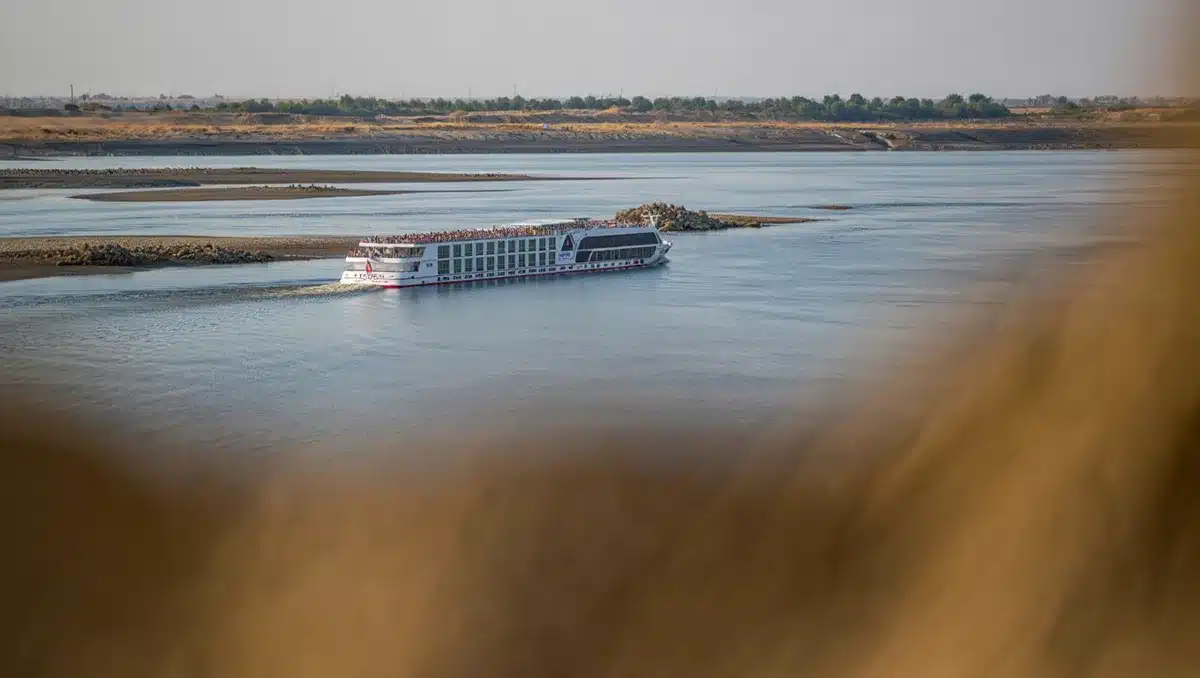
Europe’s river cruises are facing significant disruptions as historic drought conditions have pushed water levels on the Danube and Rhine to their lowest points in decades, forcing cruise lines to alter itineraries and leaving travelers scrambling to adapt to last-minute changes.
The Danube in Romania reached its lowest level in 30 years, according to Reuters, while water levels in Budapest hit a record low of 28 centimeters on July 28, 2026, breaking the previous record set in 2018. The crisis came to a head when a Viking river ship ran aground on the Danube in northwest Bulgaria that same day, forcing passengers to be transferred ashore to continue their journey; no injuries were reported.
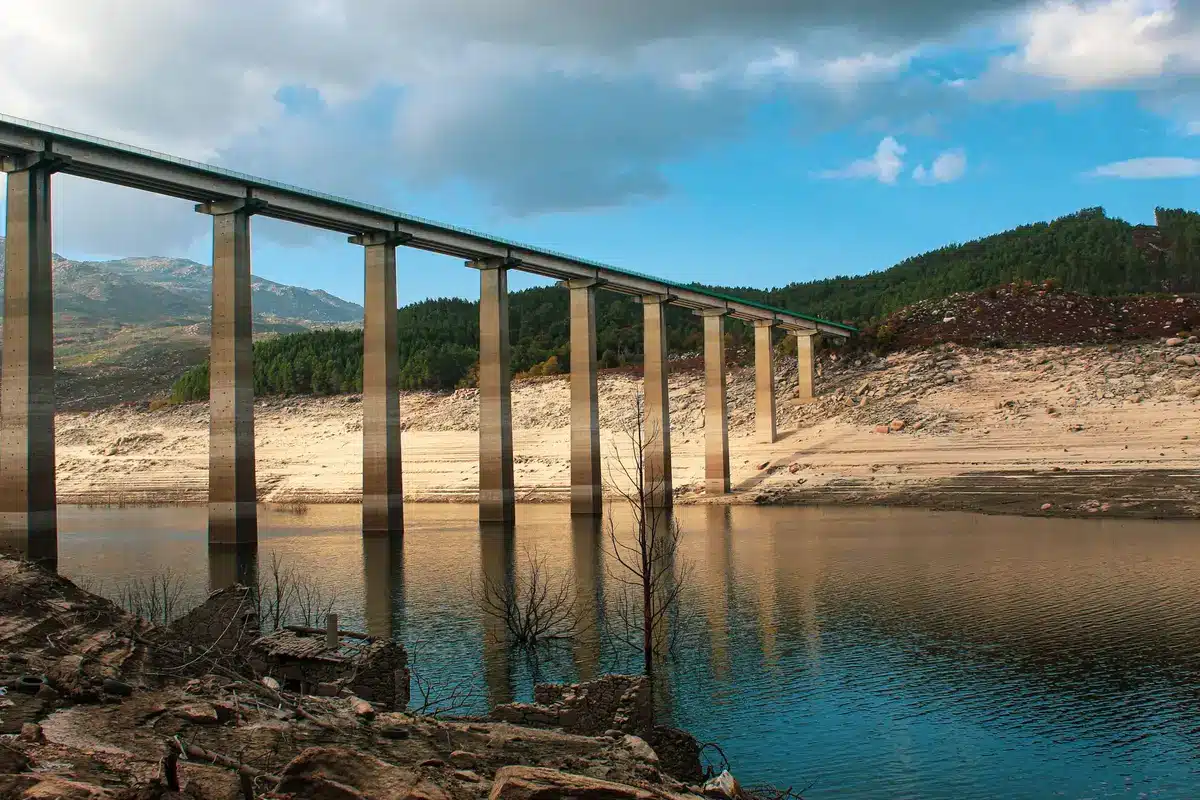
Multiple cruise lines are responding with contingency plans, though none have canceled sailings outright. Uniworld’s newly launched S.S. Emilie was unable to dock in Spitz as planned and instead docked nearby, skipping planned final stops in Regensburg and Nuremberg in favor of Linz, Austria. Other lines are implementing ship swaps, where passengers transfer to sister vessels positioned on the other side of low-water areas, allowing them to keep their same cabins and continue their cruises.
Travel Weekly reported that Riviera Travel said it “has not and will not cancel any sailings,” instead switching excursion plans and changing destinations when necessary. AmaWaterways relies on its fleet of shallow-draft vessels and coordinates with local authorities and government hydrological sources to determine the safest routes. Viking, the world’s largest river cruise operator, uses both ship swaps and “coach hops,” stationing multiple ships as floating hotels along impacted routes while passengers complete excursions by motorcoach.
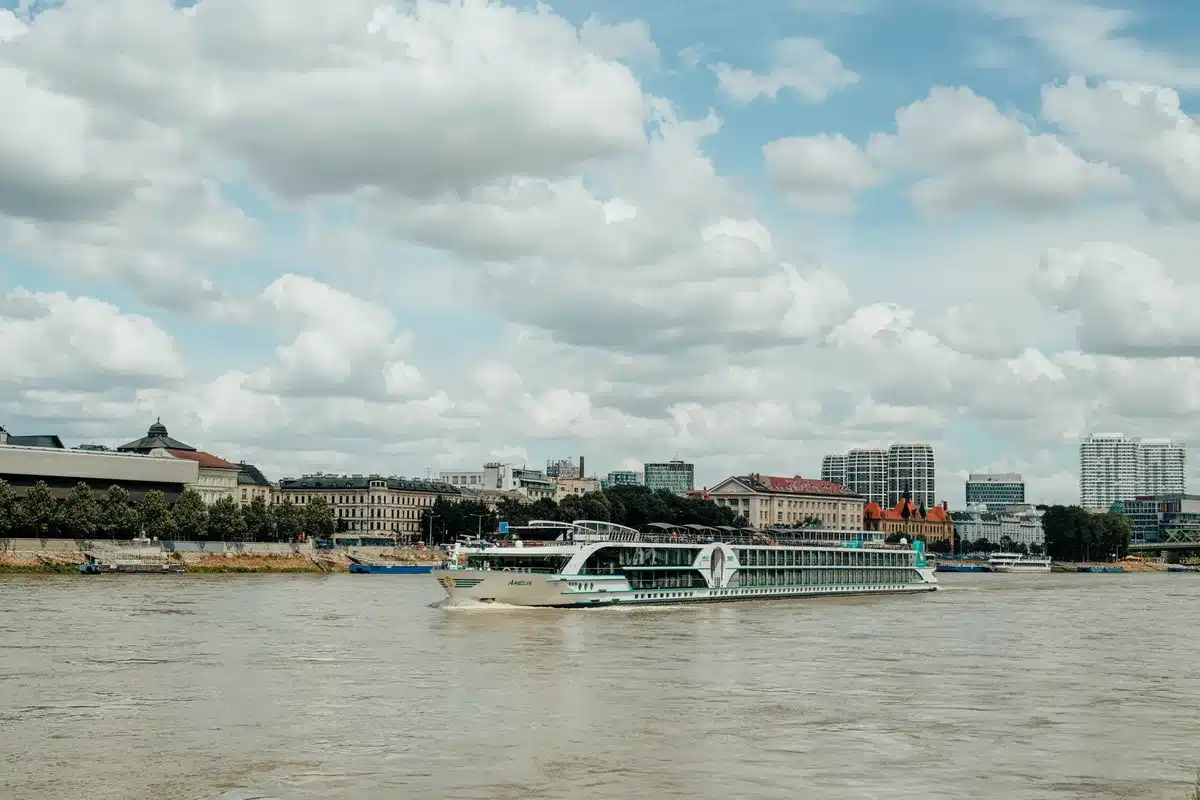
The impact, while significant, affects only a small fraction of operations. John Burrows, chief operating officer of AmaWaterways, estimates that an average of 3.5 percent of the company’s 1,100 to 1,200 annual European departures are affected by water-level issues, though rates vary year to year. According to AFAR, Daniela Harrison, an advisor with Avenues of the World in Arizona, noted that “it’s not worse, it’s just the timing is changing a little bit,” pointing out that different rivers and cruise lines are affected differently each year.
This situation echoes 2018, when Europe experienced similar drought-like conditions later in the season. That year, AmaWaterways rerouted a planned Amsterdam to Basel sailing through Belgium and the Dutch Waterways, an area traditionally sailed only during tulip season. The improvised itinerary proved so popular that most cruise lines now offer it year-round, demonstrating how operators have learned to turn disruptions into new opportunities.
The current drought is linked to record heat waves and prolonged dry conditions across Europe. While the Danube and Rhine are the most problematic rivers due to their bends and shallow stretches, operators have noted that rivers in France and Portugal remain generally stable. Burrows emphasized that river conditions can change rapidly: “Low water goes within 24 to 28 hours of it raining. High water is even more reactive. We can cruise within 12 to 24 hours of the rain stopping.”
For travelers, the disruptions mean altered or canceled excursions, unexpected bus transfers, and missed ports. However, cruise lines have become adept at minimizing the impact through their experience navigating these unpredictable seasonal challenges. Travel advisors specializing in river cruises recommend booking with an agency familiar with European inland waterways and the policies of individual cruise lines regarding disruptions and refunds.
Sources
- Cruise Critic — Low water levels on Danube and Rhine, Viking ship running aground July 28 in Bulgaria, specific itinerary changes, water levels reaching lowest in 30 years in Romania and record low in Budapest.
- Travel Weekly — River cruise line responses (Riviera Travel, AmaWaterways, Scenic, Emerald, Tauck, Viking), specific itinerary adjustments, ship swaps, motorcoach transfers, and expert quotes from operators.
- AFAR — AmaWaterways COO John Burrows’ 3.5 percent impact estimate, 2018 precedent and rerouting to Dutch Waterways, travel advisor Daniela Harrison’s commentary, water level recovery timelines, and industry adaptation strategies.
- Fox News — Record-low water levels on major European rivers disrupting itineraries across the region.