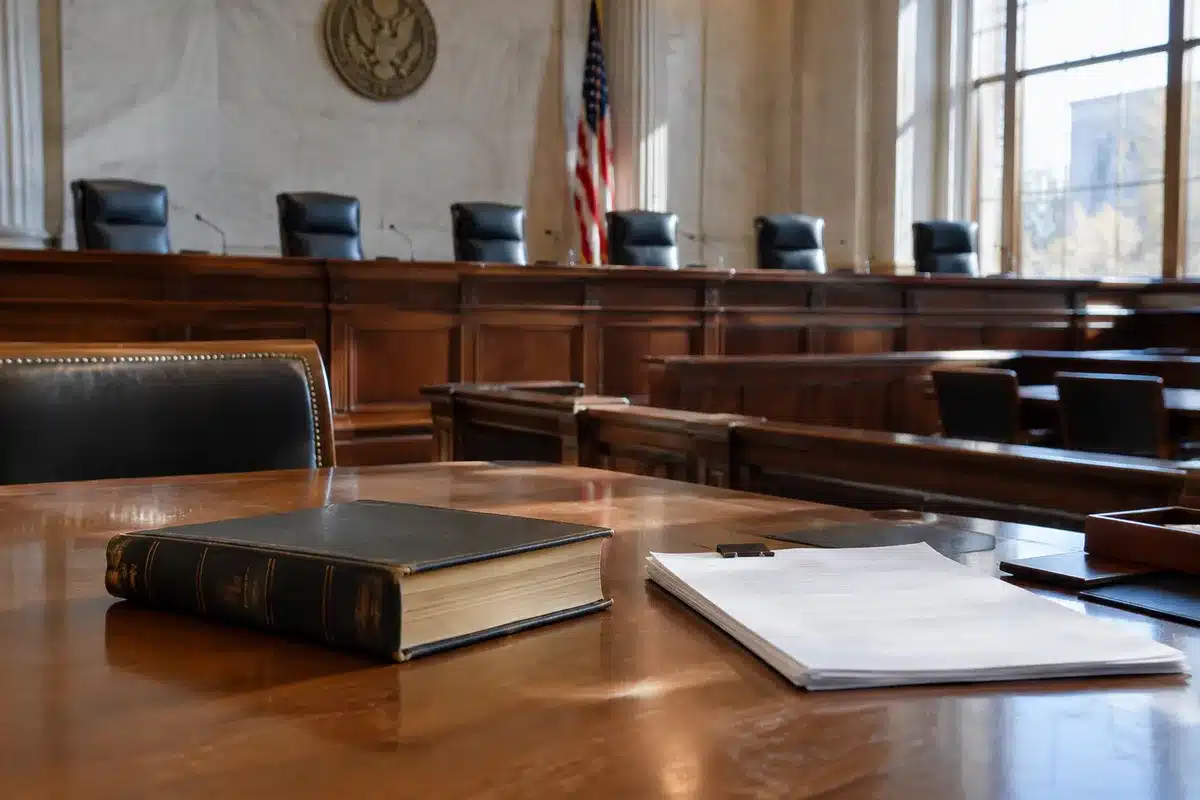
The Senate advanced a bipartisan government funding deal on Monday with an overwhelming 89-4 vote, extending federal funding through December 11 and avoiding a shutdown before lawmakers head into their August recess. Senators on the Appropriations Committee agreed to the short-term spending bill on Sunday, with Senate Majority Leader John Thune calling passage his top priority before the chamber’s traditional recess.
The bill represents an unusual early action on government funding. Normally, Congress waits until the final days or hours before a funding deadline to pass short-term extensions, but lawmakers are acting two months before the September 30 fiscal year deadline. Senate Majority Leader John Thune said passing the measure was essential to prevent another shutdown. “We need to ensure that they do not face a third,” Thune said, referencing the fact that the American people have already experienced two record-breaking government shutdowns in the past 10 months.
The most recent shutdown lasted 43 days, from October 1 to November 12, 2025, making it the longest in U.S. history. That extended closure caused financial stress for federal workers and disrupted air travel. The early timing of this funding agreement reflects both parties’ desire to avoid another shutdown during the height of the midterm election campaign season, when lawmakers would rather be home campaigning than dealing with a government closure.
The continuing resolution includes several provisions that represent bipartisan compromise. The bill blocks a controversial Trump administration rule that would have given political appointees at federal agencies the power to review and approve grant proposals based on whether they advance “the President’s policy priorities.” Senate Appropriations Committee Chair Susan Collins, a Republican, called the rule “deeply flawed” and said she was “pleased that this bipartisan agreement prevents the Office of Management and Budget’s proposed rule regarding federal financial assistance from taking effect.”
Democrats celebrated the inclusion of language ensuring the administration cannot transfer funds from other programs to the Border Patrol, a provision they fought to include. Senate Democratic leader Chuck Schumer called the stopgap measure “a responsible path forward that allows continued bipartisan negotiations on a budget that delivers for American families.” The bill also includes funding adjustments for nutrition programs, disaster relief, and shipbuilding.
The unusually early action on funding reflects a broader struggle in Congress to complete the dozen annual appropriations bills before the fiscal year deadline. By extending government funding now, lawmakers can use the ensuing months to work out their differences on full-year funding. Republicans seek a dramatic increase in defense spending while cutting non-defense programs overall, while Democrats oppose cuts to domestic programs. President Trump proposed a 10 percent cut in non-defense spending while calling for a 44 percent boost to defense spending, setting up what will likely be contentious negotiations in the fall.
The Senate is expected to hold a final vote on the bill before leaving Washington for its August recess, with senators eager to return to their home states to campaign ahead of the midterm elections.
Sources
- The Hill — Senate Appropriations Committee bipartisan deal details, statements from Collins, Murray, and Schumer on the continuing resolution and OMB grant rule.
- PBS News — Senate funding deal timing, provisions blocking the grant rule, Democratic concerns about politicization, and context on recent shutdowns.
- Politico — Senate 89-4 vote advancing the continuing resolution and bipartisan support for avoiding an October shutdown.
- NPR — Record 43-day shutdown duration from October 1 to November 12, 2025.