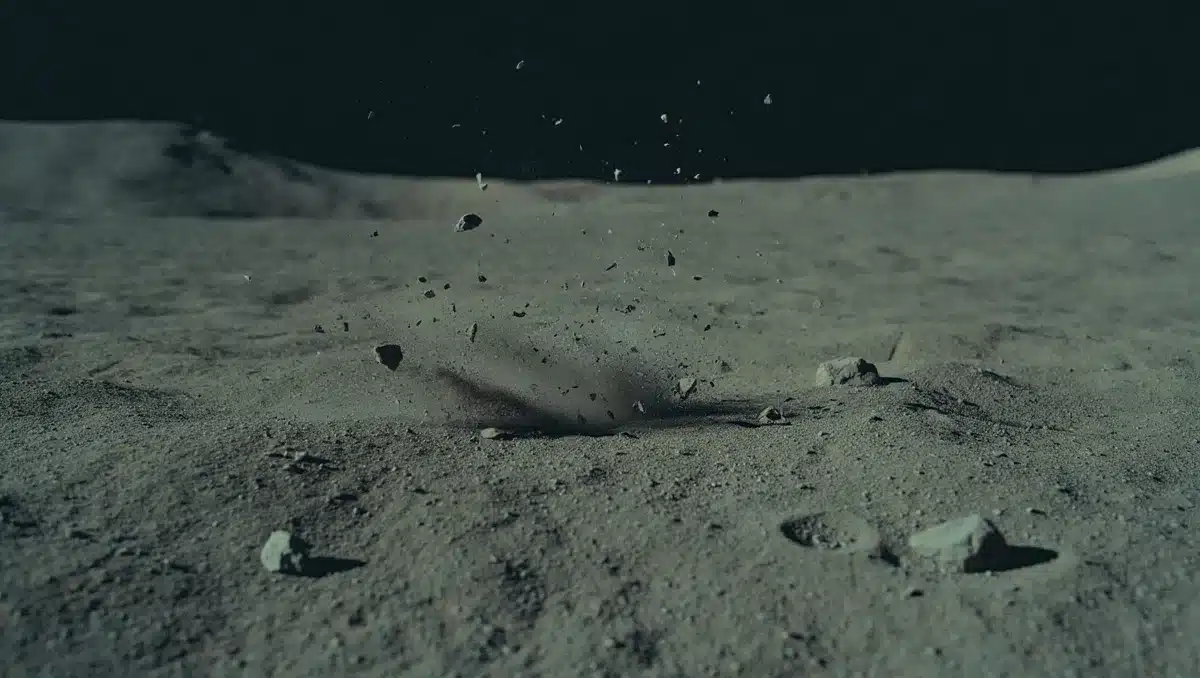
A spent SpaceX Falcon 9 upper stage is set to impact the moon on August 5 at 5,400 mph, delivering a rare opportunity for scientists to study how human-made debris affects the lunar surface. The rocket stage, which launched in January 2025 carrying two landers to the moon, has been circling Earth in a chaotic orbit since its mission ended and will strike near Einstein Crater on the moon’s sunlit western limb around 6:34 am UTC.
The collision will displace roughly 12,700 kilograms of lunar soil and rock, according to simulations by William Jo, a doctoral candidate at the University of Texas at Austin’s Cockrell School of Engineering. The impact is predicted to carve a crater approximately 90 feet wide and 16 feet deep, with debris spreading as far as 183 kilometers across the surface.
Unlike solid meteorites, the Falcon 9 upper stage is essentially a hollow metal shell—an empty eggshell, as aerospace engineering professor David Goldstein describes it—with a denser rocket engine at one end. When it strikes, the shell will collapse inward, throwing up a broad, low curtain of soil spreading outward and a thin, faster spike nearly straight up, rather than burrowing in like a cannonball.
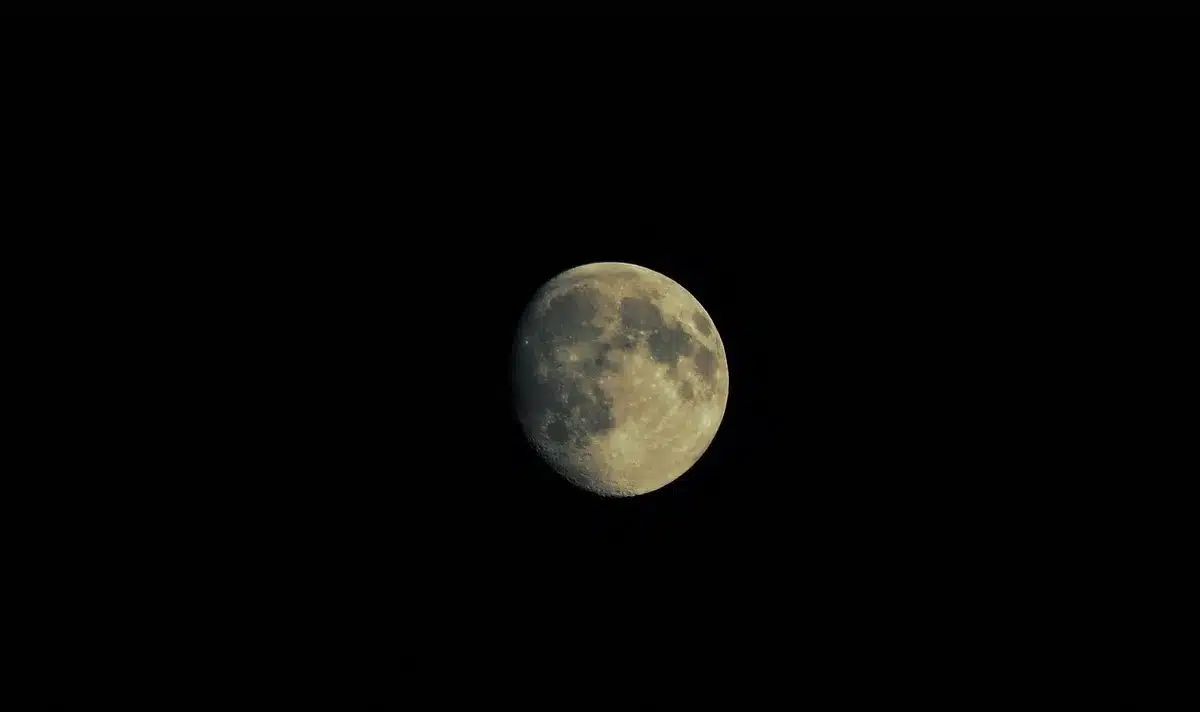
For astronomers with the right equipment, the impact could be visible from Earth. The debris plume should peak about 90 seconds after impact and could reach 50 kilometers past the moon’s limb—an angle roughly one-sixtieth the apparent width of the moon in the sky, easily resolved by a small telescope. However, the plume will be 30 to 300 times fainter than the blazing moon beside it, and scattered moonlight will make viewing challenging. The best odds of seeing the impact are in the US Southeast, according to astronomer Laurence Trafton, since the moon will hang too low for observers north of a line from Massachusetts to Texas.
A Precedent for Lunar Impact Study
This unplanned collision follows a history of intentional impacts used to study the moon. In 2009, NASA’s LCROSS mission deliberately crashed a spent rocket booster into a permanently shadowed crater near the moon’s south pole, successfully detecting water ice in the ejected plume. A 2022 impact, initially attributed to a Falcon 9, turned out to be a Chinese booster instead, according to space tracking expert Bill Gray of Project Pluto.
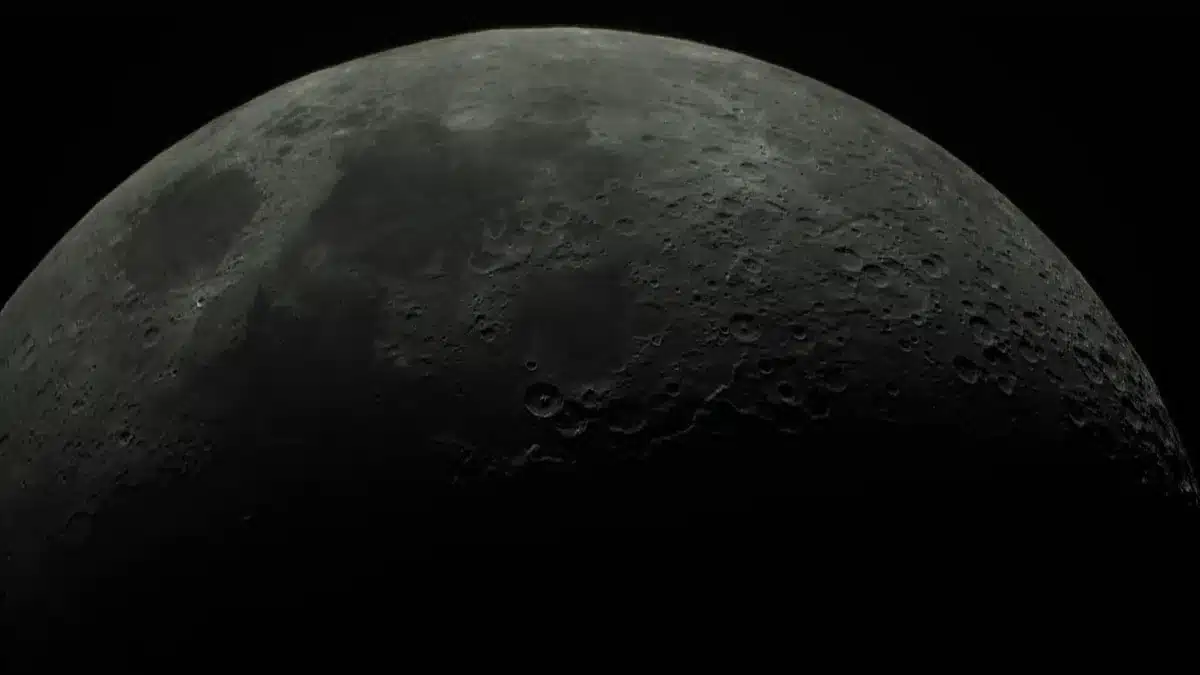
The August 5 impact arrives as lunar exploration accelerates. NASA aims to return astronauts to the moon within years and plans to build bases at the lunar south pole. China is also racing to land humans on the lunar surface. Each lander and mission leaves spent hardware in orbit with the potential to collide with the moon. The Falcon 9 crash offers scientists a chance to measure the real-world effects of such impacts—and to prepare for an era when lunar activity will generate far more debris.
The collision also highlights a broader concern: space debris is growing rapidly around Earth and in cislunar space. According to the UN, an estimated 140 million pieces of space debris now orbit Earth. The European Space Agency reported in 2026 that collision risk in low Earth orbit rose 20 percent, with 1.2 million untrackable debris fragments crowding the 550-kilometer band. As lunar missions multiply, debris in cislunar space poses an increasing threat to future exploration infrastructure and astronauts on the surface.
Sources
- Wired — detailed simulation of impact plume dynamics, timing, and observability from Earth
- Space.com — confirmed August 5 impact date, speed, and location near Einstein Crater
- Forbes — impact details and debris plume visibility
- Hindustan Times — crater dimensions and debris estimates
- Smithsonian Magazine — impact timing and space debris context
- UN News — space debris statistics and orbital collision risk data
- Sky at Night Magazine — impact speed and location confirmation
- Project Pluto — Bill Gray’s tracking data and impact prediction