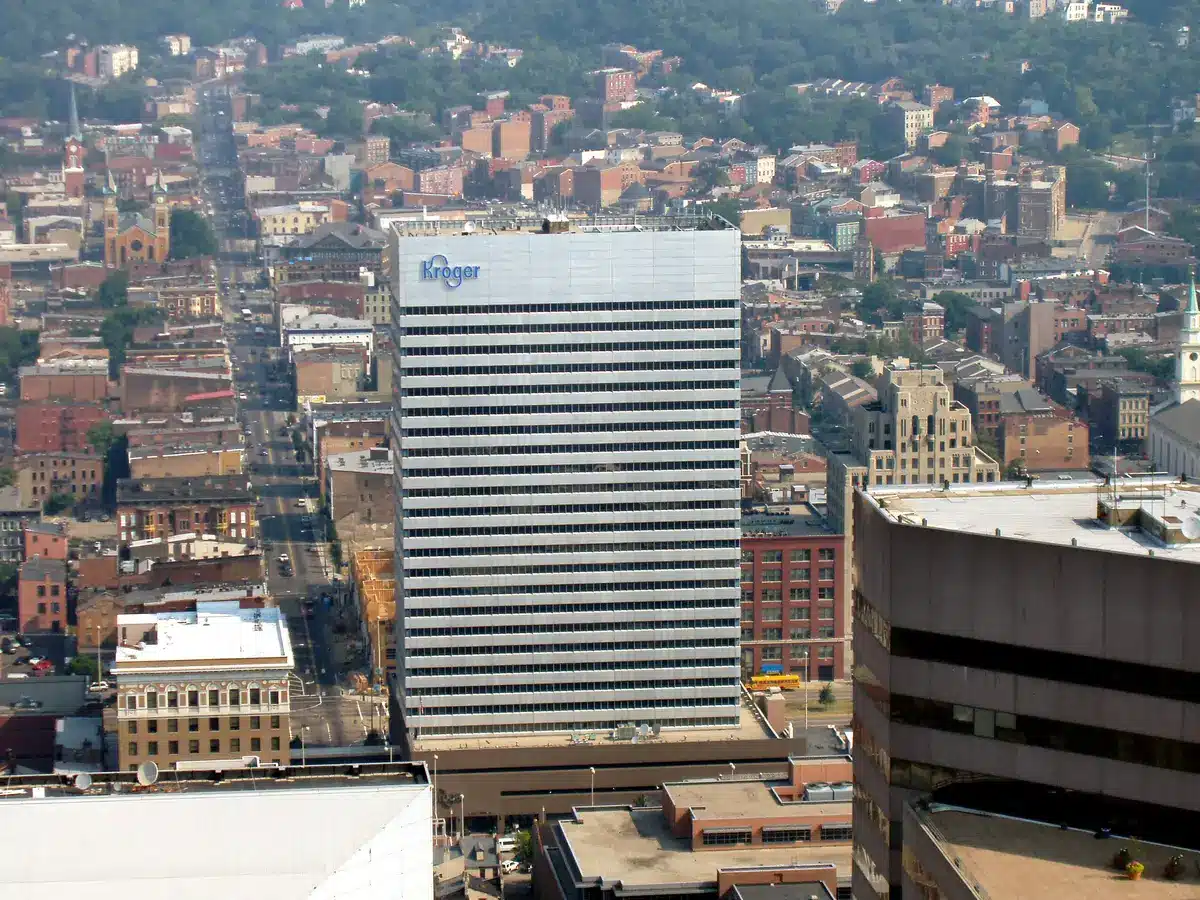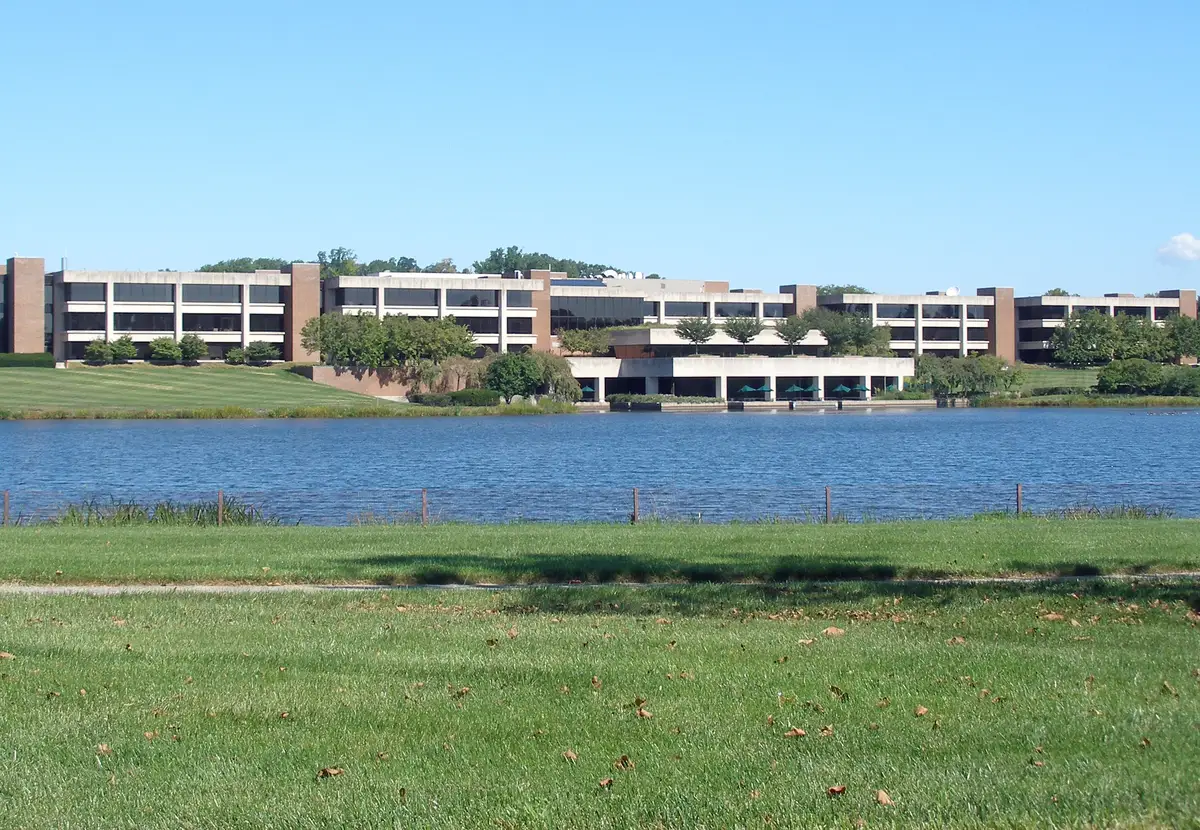
AstraZeneca and Bristol Myers Squibb are in early-stage merger talks that would create a combined company valued at approximately $400 billion, according to Bloomberg, CNBC, and the Financial Times. The deal, if completed, would rank as the largest pharmaceutical merger in history.
The companies have held early discussions about combining, sources told Bloomberg on August 2, though it remains unclear whether the deal will ultimately move forward. Neither AstraZeneca nor Bristol Myers Squibb has publicly confirmed the talks.
The news triggered an immediate market reaction. AstraZeneca shares plunged as much as 7.8% in London trading, according to Bloomberg, while Bristol Myers gained as much as 3.8% in premarket trading. The divergent reactions reflect investor concerns about AstraZeneca’s position in a potential deal where the U.K.-based company would likely be the acquirer of its larger U.S. rival.
A merger of this scale would represent a significant consolidation in an industry already experiencing heightened deal activity. The first six months of 2026 saw $134 billion in pharmaceutical and biotech deals, according to STAT News, already surpassing the $112 billion total for all of 2025. Industry analysts predicted at the start of the year that 2026 would see major acceleration in dealmaking, including more than 20 acquisitions valued over $1 billion.
The proposed combination would dwarf Bristol Myers Squibb’s previous major acquisition. In 2019, Bristol Myers completed its purchase of Celgene for approximately $74 billion in equity value, creating what was then described as a leading specialty pharmaceutical company. That deal itself was one of the largest in pharma history at the time.

AstraZeneca, led by CEO Pascal Soriot for 14 years, has positioned itself as a growth-focused pharmaceutical company. The company’s share price has more than quadrupled during Soriot’s tenure, outperforming the broader FTSE 100 index and rival GlaxoSmithKline. In 2025, cancer treatments accounted for nearly half of AstraZeneca’s approximately $50 billion in revenue, with cardiovascular, renal, and metabolism treatments contributing another $12 billion.
The timing of the merger discussions comes about 12 years after AstraZeneca successfully fended off a takeover bid from Pfizer in 2014, when the company’s board rejected the larger rival’s advances. Last year, AstraZeneca unveiled plans for a direct U.S. listing, aiming to capitalize on stronger valuations in the American market while maintaining its London listing.
Industry consolidation has accelerated in recent years as pharmaceutical companies face patent cliffs on blockbuster drugs and rising research and development costs. The proposed AstraZeneca-Bristol Myers combination would bring together two companies with complementary oncology and specialty care portfolios, though regulatory approval in multiple jurisdictions would be required for any deal to close.
Sources
- Bloomberg — confirmed early-stage merger discussions, AstraZeneca share decline of 7.8%, Bristol Myers premarket gain of 3.8%
- CNBC — reported $400 billion combined company valuation, noted uncertainty about deal completion, provided AstraZeneca revenue and CEO tenure details
- STAT News — documented $134 billion in first-half 2026 pharma deals, noted 2025 total of $112 billion
- Bristol Myers Squibb official news — confirmed $74 billion Celgene acquisition details from 2019