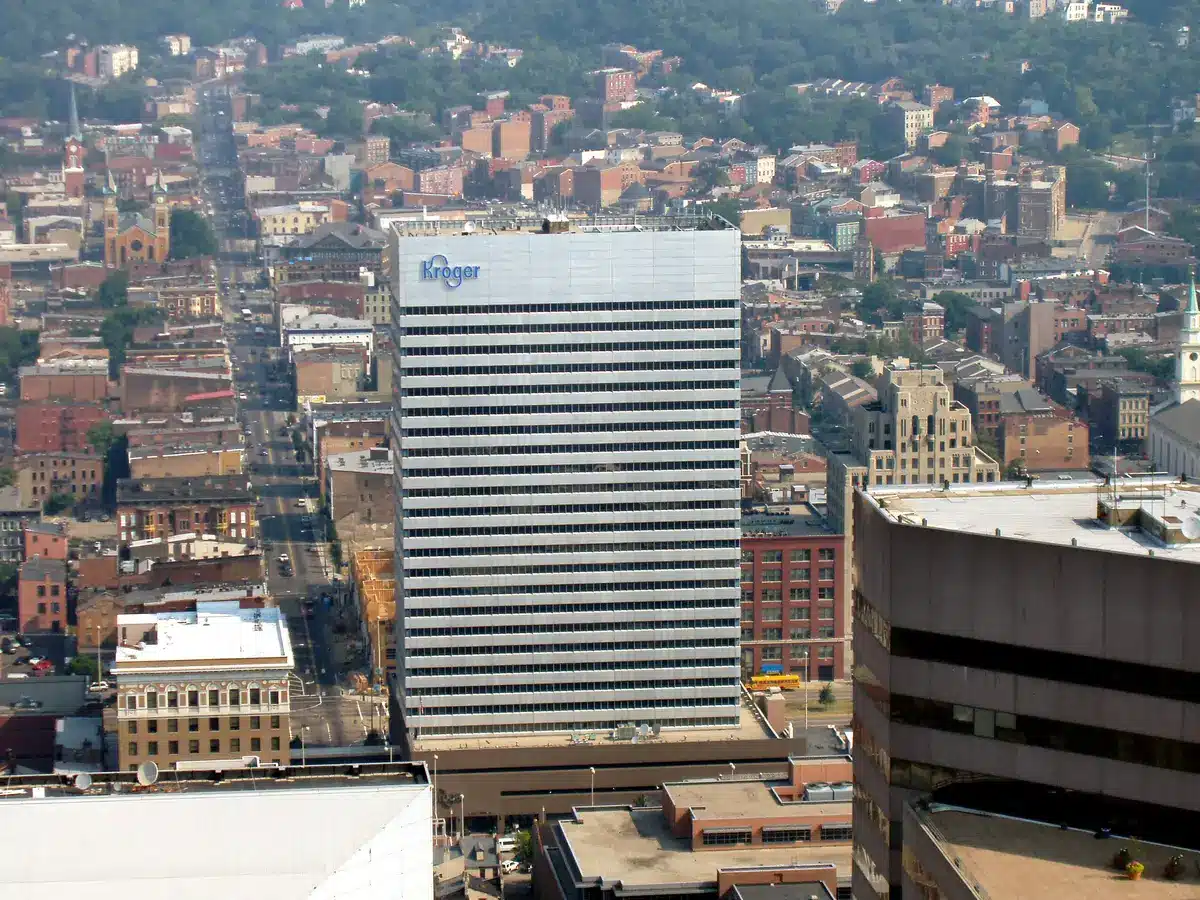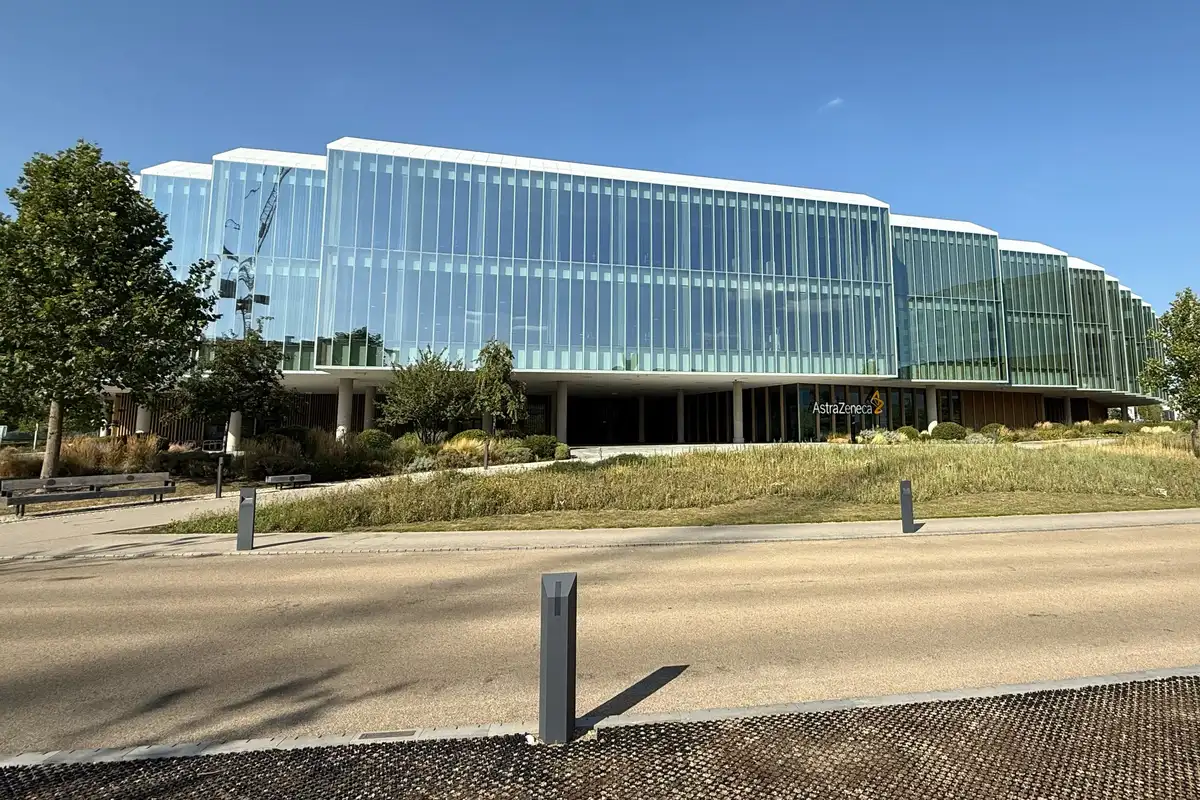
AstraZeneca is in early-stage talks with Bristol Myers Squibb on a potential $400 billion merger that would create one of the world’s largest pharmaceutical companies, according to reports from the Financial Times and Reuters on August 2.
The companies have held preliminary discussions in recent months, though the deal could still fall apart or be delayed, according to Reuters sources. Both firms declined to comment on the negotiations.
A combined entity would rank among the industry’s biggest players, uniting two drugmakers with dominant positions in cancer treatment. AstraZeneca’s cancer drugs generated about $25 billion in 2025 sales—nearly half its total revenue—while Bristol Myers’ oncology medicines accounted for over 40% of its sales in the first half of 2026, according to Reuters. The two companies’ cancer immunotherapies directly compete, likely triggering regulatory scrutiny if the deal advances.

Bristol Myers has been pursuing smaller acquisitions to replenish its drug pipeline as older medicines face patent expirations. The company’s top-selling blood thinner Eliquis and cancer immunotherapy Opdivo could lose patent protection by 2028, according to Reuters. In 2019, Bristol Myers acquired Celgene for approximately $74 billion, bringing the blood cancer drug Revlimid into its portfolio, though that drug has already lost patent protection.
The merger talks mark a significant shift for AstraZeneca, which rejected a $119 billion takeover bid from Pfizer in 2014, citing concerns that the offer undervalued the company and posed strategic risks. Over the past 12 years, AstraZeneca’s share price has more than quadrupled under CEO Pascal Soriot’s leadership, outpacing the broader British stock market.

Large pharmaceutical mergers have become rare in recent years due to antitrust concerns and regulatory pressure to control drug prices. The last major big pharma combination occurred in 2020, when AbbVie acquired Allergan. However, 2026 has seen unprecedented M&A activity in the sector: the first half of the year generated $134 billion in deals, already surpassing the entire $112 billion total for 2025, according to StatNews.
If the deal materializes, it would require approval from antitrust regulators on both sides of the Atlantic, given the companies’ overlapping cancer drug portfolios and the combined entity’s market power.
Sources
- Reuters — reported on the early-stage talks, the $400 billion valuation, antitrust concerns, and Bristol Myers’ patent cliff challenges
- Financial Times — first reported the merger discussions
- StatNews — provided 2026 pharma M&A deal volume data showing record activity