The United States launched what its military described as a “heavy wave” of strikes against Iran on July 30, ending a five-day pause and escalating a five-month conflict that began in February 2026. The attacks came hours after Iran fired ballistic missiles at a US military base in Jordan, continuing a tit-for-tat cycle that analysts say has both sides reaching the limits of what military force alone can achieve.
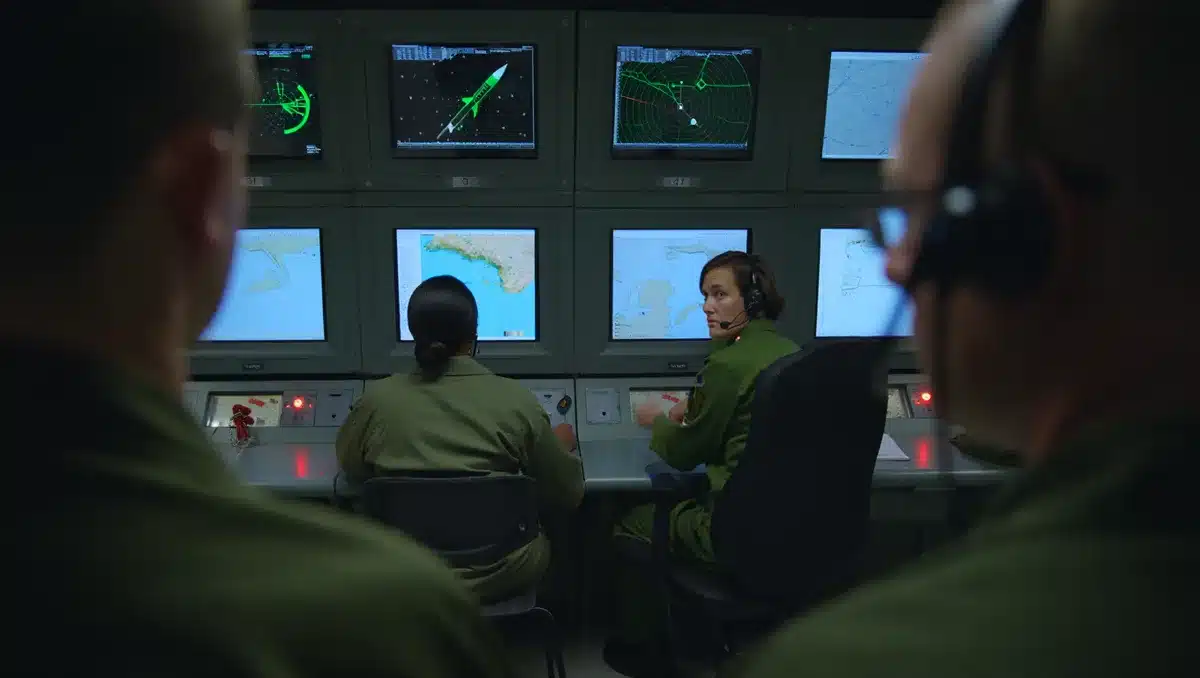
US Central Command said the strikes, completed by 10 p.m. ET on Wednesday, hit dozens of Iranian Revolutionary Guard Corps targets, including military command centers, missile and drone facilities, and coastal defense sites. Iranian media reported that three civilians, including a two-year-old child, were killed in the strikes on Qeshm island in the Gulf, along with three IRGC personnel in a separate attack.
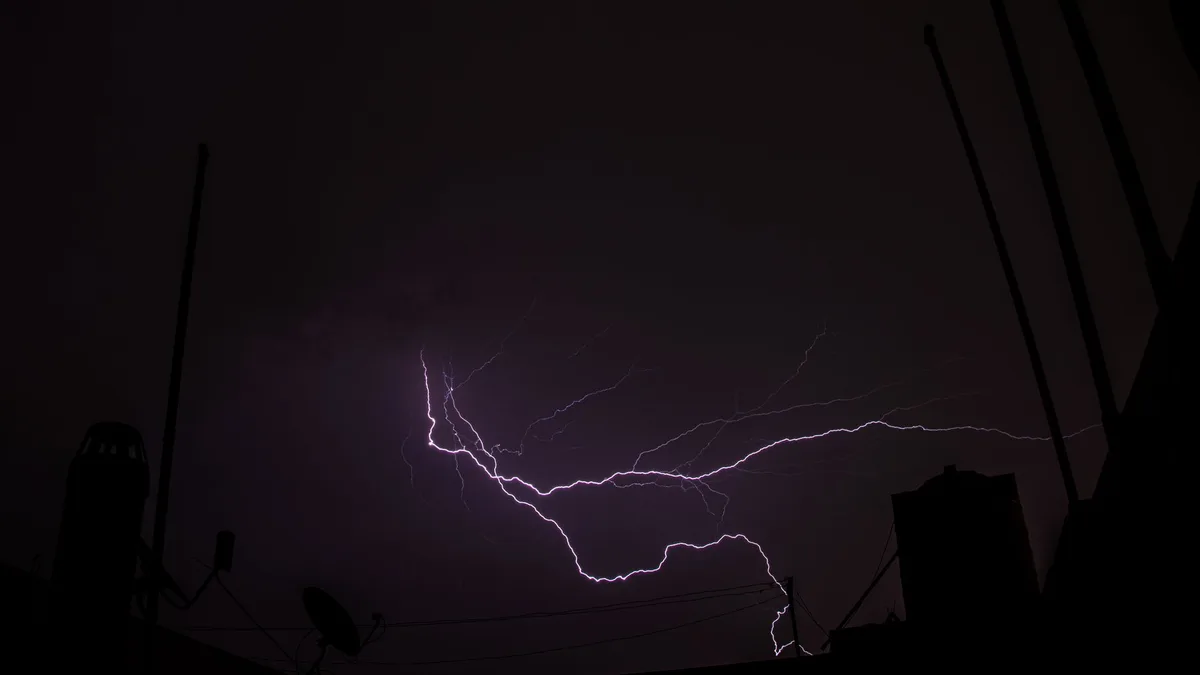
The latest exchange reflects a pattern that has defined the conflict since it widened dramatically in February. The US and Israel launched joint operations on February 28, 2026, targeting Iranian nuclear and military sites. That initial strike killed Iran’s Supreme Leader and sparked months of retaliatory cycles, with each side’s response triggering the other’s next move.
The most recent escalation began earlier this month when Iran launched attacks on US positions, prompting the US to conduct nearly two weeks of consecutive nightly strikes. The US had paused those attacks on July 25, signaling what some analysts interpreted as an opening for diplomacy. But when Iran struck the Jordanian base on July 29, the pause ended.
Analysts describe the conflict as locked in a military stalemate. According to the Wall Street Journal, the US and Iran are “escalating just as the two warring parties are running up against the limits of what they can achieve through military force.” The conflict has widened to include Iranian-backed militants in Yemen striking ships in the Red Sea, driving oil prices above $100 a barrel for the first time in two months.
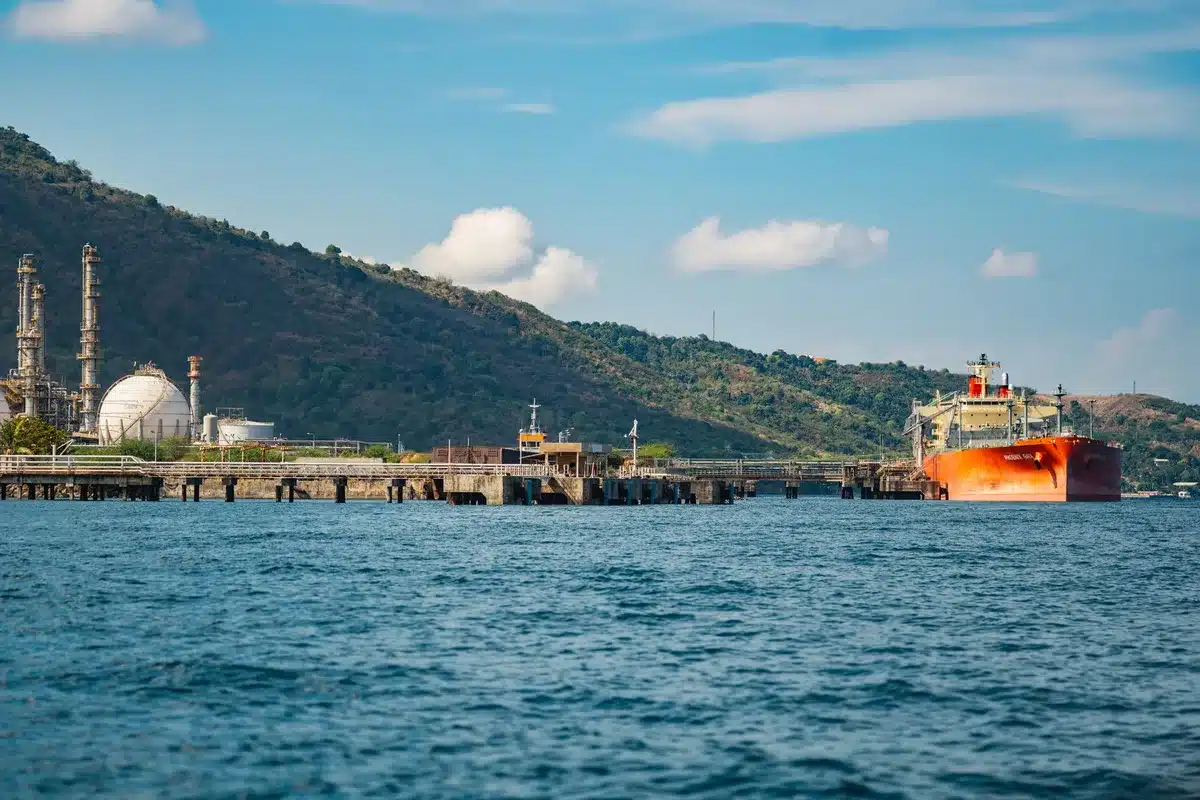
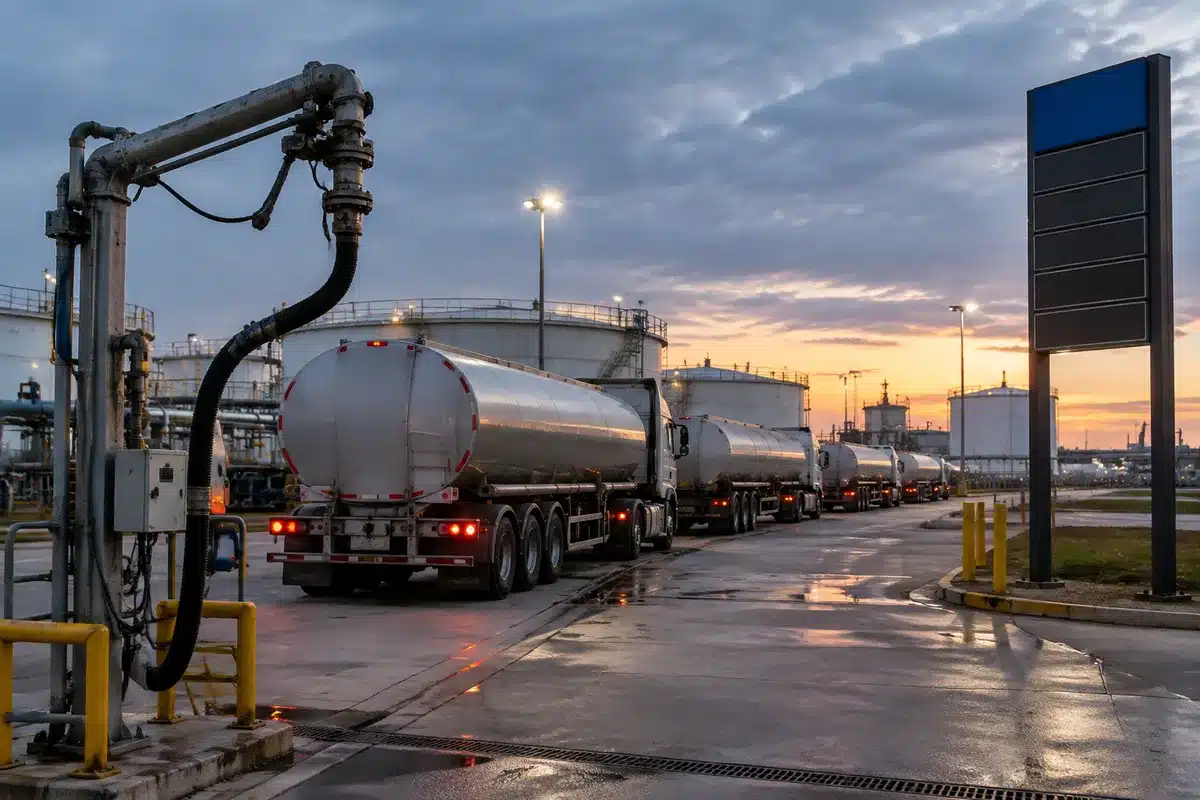
Central to the conflict is control of the Strait of Hormuz, through which roughly a third of global oil shipping passes. Iran has attempted to blockade the waterway, forcing commercial vessels to buy insurance to transit safely. The US Treasury announced new sanctions on Wednesday against two Iranian firms it said facilitate this scheme, with Treasury Secretary Scott Bessent stating on social media that “the United States will not allow Iran to hold global commerce hostage.”
Despite the military escalation, diplomatic channels remain active. Pakistan’s Foreign Ministry said talks between Tehran and Washington are continuing, particularly on reopening the Strait of Hormuz. Iran’s Foreign Ministry confirmed that rounds of talks with Omani mediators were ongoing in Tehran, though Iran rejected an Omani proposal for co-managing shipping routes through the waterway.
After the latest US strikes, Iran and its allies retaliated. Jordan reported intercepting five Iranian missiles targeting a US airbase and command headquarters. Kuwait said an Iranian strike killed one worker at a Chinese company building in the country. The IRGC pledged to respond “today,” setting the stage for another cycle of attack and counterattack.
Former Pentagon official David Des Roches told Al Jazeera that the latest US strikes were “not a very overwhelming attack,” suggesting President Trump may be “trying to keep things proportionate, or to keep things open for diplomacy.” But analysts also note that Trump has repeatedly threatened to escalate further, targeting Iranian bridges and power plants—moves that could dramatically widen the conflict.
The five-month duration already exceeds the brief 12-day war between Israel and Iran in June 2025, which ended with a ceasefire and diplomatic pause. That earlier conflict saw similar patterns of escalation and retaliation before both sides agreed to step back. Whether the current cycle can find a similar off-ramp remains unclear as the Strait of Hormuz tensions and broader regional involvement continue to deepen.
Sources
- Al Jazeera — US military strikes on Iran, Iranian response, casualty reports, diplomatic talks on Strait of Hormuz, analyst commentary from David Des Roches
- Wall Street Journal — Analysis of US-Iran military escalation cycle, both sides reaching limits of military force, Iranian-backed Yemen strikes and oil prices
- AP News — Confirmation of five-month conflict duration from February 28, 2026 start date
- Britannica — Timeline of 2026 Iran war, five-month conflict reference
- NPR — Conflict reaching five-month point, diplomatic inflection points
- Reuters — Oil price impacts from latest escalation
- KCRA — Iran’s ballistic missile attack on US base in Jordan on July 29