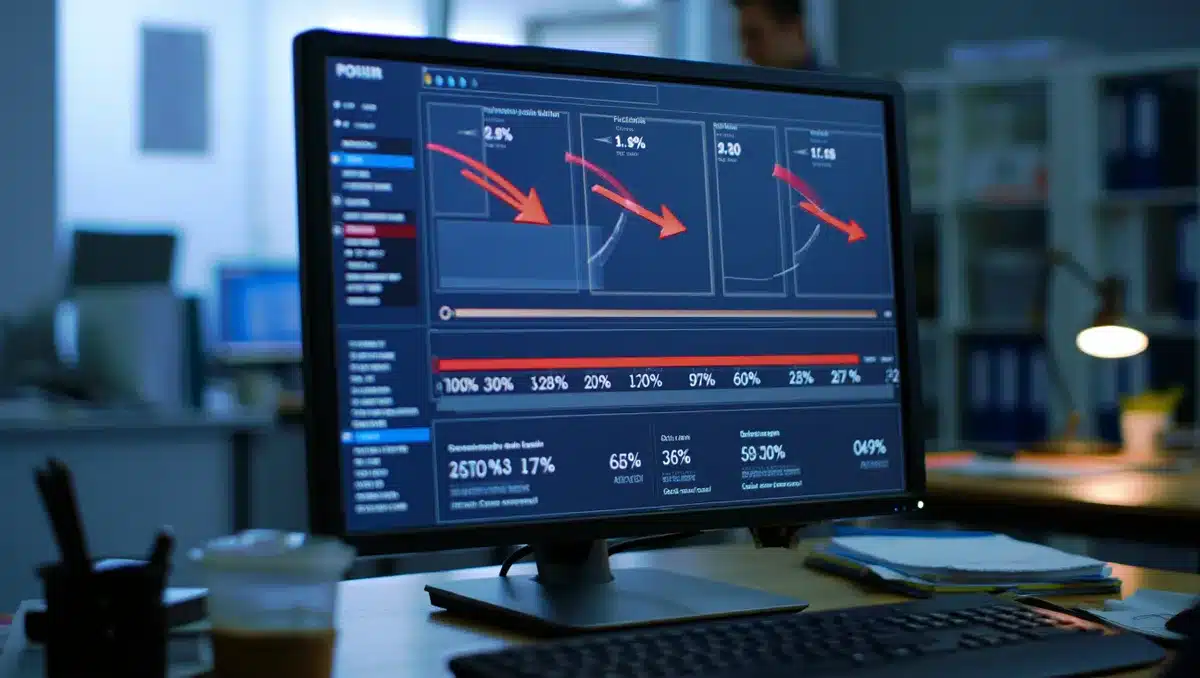
President Donald Trump’s approval rating has fallen to 32 percent in a Quinnipiac University poll released July 29, marking an all-time low for the pollster’s tracking of his job performance. The survey of 963 registered voters, conducted July 23-27, found 58 percent disapprove of how Trump is handling his job as president, with 10 percent offering no opinion.
The 32 percent approval represents a sharp six-point decline from a Quinnipiac poll in June, when Trump’s approval stood at 38 percent. The drop reflects deepening public dissatisfaction across multiple fronts, particularly regarding the ongoing U.S. military conflict with Iran and economic concerns at home.
The erosion extends even to Trump’s Republican base. Among GOP voters, his approval fell nine points from June to July, sliding from 85 percent to 76 percent. The decline among independents was far steeper: his approval plummeted from 59 percent in June to 22 percent in July, a 37-point collapse in support among that key swing group.
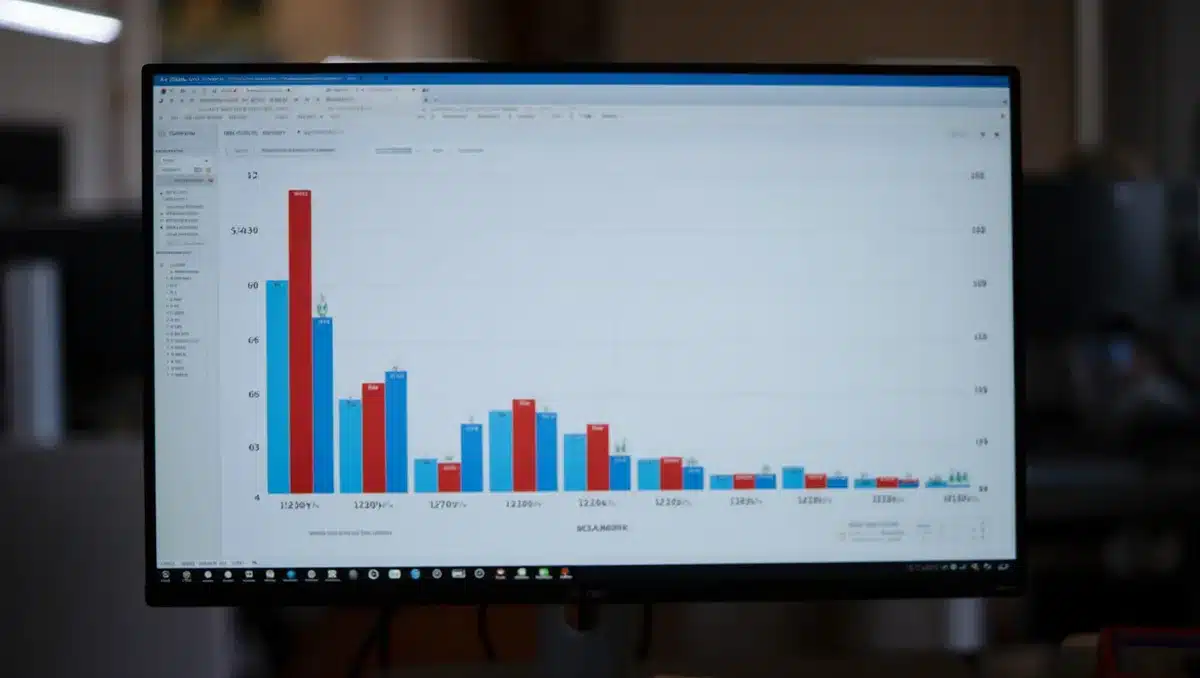
On specific issues, Trump’s approval is underwater across the board. Only 34 percent approve of his handling of the economy while 62 percent disapprove. On foreign policy, the numbers are similar: 34 percent approve and 62 percent disapprove. His handling of the Iran situation fares worst, with just 28 percent approving and 66 percent disapproving of his management of the conflict.
Economic hardship is a central factor in the decline. The poll found that 49 percent of voters say they are worse off financially than they were a year ago, while only 34 percent say they are better off. A majority of voters—59 percent—believe the nation’s economy is getting worse. When asked how much they blame Trump for recent rises in gasoline prices, 54 percent said “a lot” and another 19 percent said “some.”
The Iran war itself has become a major drag on Trump’s standing. According to Quinnipiac polling analyst Tim Malloy, “The pushback is evident. Six in 10 voters want no part of military action against Iran. More than seven in 10 say putting troops on Iranian soil is a no-go.” Only 34 percent of voters support U.S. military action against Iran, while 60 percent oppose it—the lowest support and highest opposition since Quinnipiac began tracking the question in March.
When asked whether Trump is focused enough on addressing the problems most Americans are facing, 68 percent said he is not focused enough, while only 29 percent said he is sufficiently focused. This perception gap underscores voter frustration with the administration’s priorities and responsiveness.
The poll also found warning signs for Republicans ahead of the 2026 midterm elections. If the election were held today, 48 percent of voters would want Democrats to control the House of Representatives, compared with 41 percent who would prefer Republican control. Among Democrats, 57 percent report being more motivated to vote than in past midterm elections, while only 39 percent of Republicans say the same—a motivation gap that could prove costly.
Sources
- Quinnipiac University — July 29, 2026 poll release detailing Trump’s 32% approval rating, the decline from June, and detailed breakdowns by party, issue area, and demographic group
- Forbes — reporting on Trump’s approval rating hitting record low across multiple polls in late July 2026
- USA Today — coverage of the all-time low approval rating from Quinnipiac and comparisons to other recent polling
- The Hill — reporting on Trump’s loss of ground with Republicans and overall approval decline
- Washington Post — analysis of Trump’s declining poll numbers and the factors driving the decline