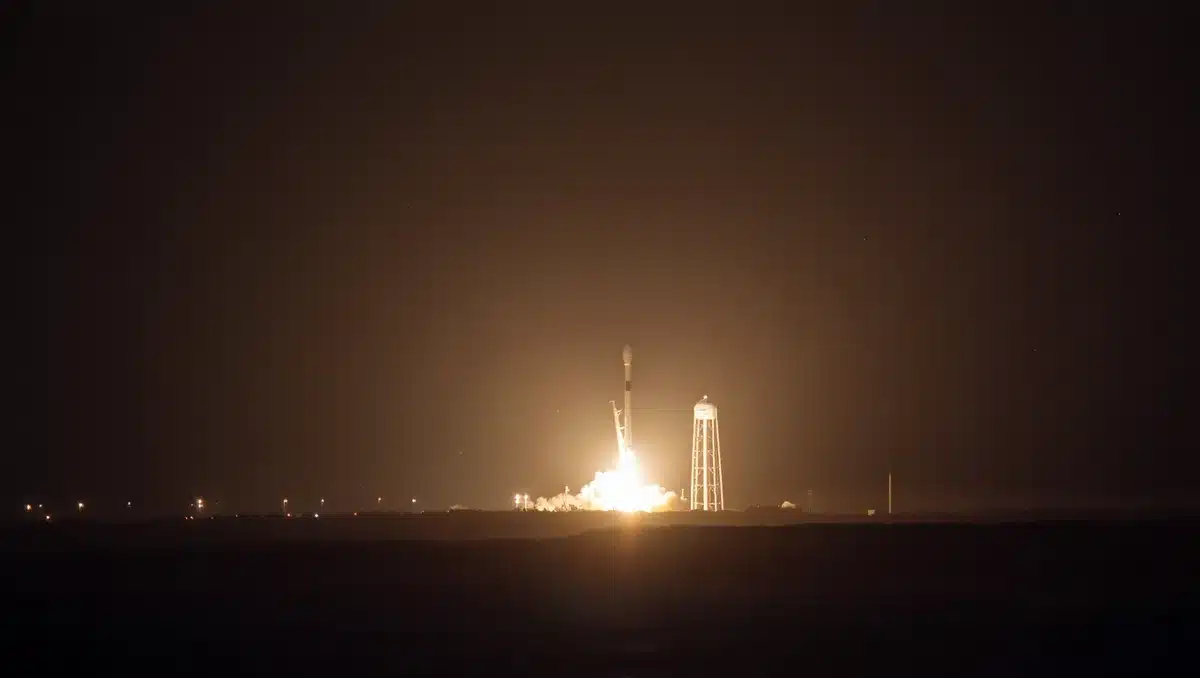
A SpaceX Falcon 9 rocket launched from Cape Canaveral Space Force Station early Thursday morning, July 30, triggering a sonic boom that rattled Central Florida residents across Orange and Seminole counties. The rocket lifted off at 3:10 a.m. EDT, carrying the NROL-95 mission, a classified national security payload for the National Reconnaissance Office.
The sonic boom occurred about eight minutes after liftoff, when the Falcon 9’s first-stage booster returned to Cape Canaveral Landing Zone 2. This was the seventh flight for the reusable booster, which had previously supported launches including KF-01, IMAP, NROL-77, GPS III-9, CRS-34, and a Starlink mission.
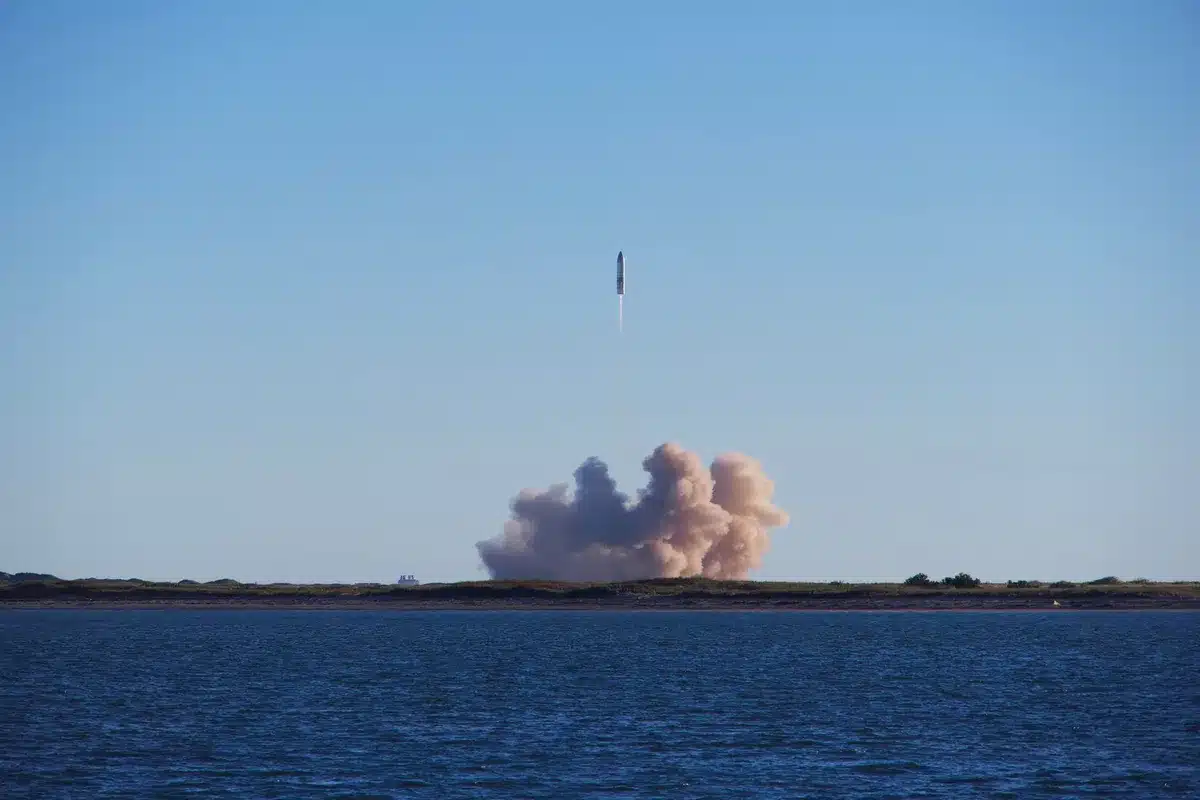
A sonic boom is the thunder-like noise heard on the ground when an aircraft or aerospace vehicle travels faster than the speed of sound, according to NASA’s definition. The sound occurs because the object creates shock waves as it breaks through the sound barrier, producing the distinctive loud report that residents often mistake for an explosion.
The intensity and range of sonic booms depend on atmospheric conditions. Temperature, humidity, and wind all affect how far and how loudly those booms travel, meaning Central Florida residents are more likely to hear them during the region’s warm, muggy summers than during cooler, drier winter months. Early-morning launches like this one can carry the sound across a wide area because cooler air near the ground acts as a better conductor of sound waves.

SpaceX regularly warns residents in advance of launches that may produce sonic booms. The booster recovery is a critical part of the company’s reusability strategy, allowing the same first-stage booster to be refurbished and launched multiple times, reducing launch costs and increasing flight frequency. The NROL-95 mission represents the continued partnership between SpaceX and the U.S. government for national security launches from Florida’s Space Coast.
Sources
- FloridaToday — confirmed the July 30 launch at 3:10 a.m., the NROL-95 mission details, the eight-minute booster return timeline, and NASA’s definition of a sonic boom
- ClickOrlando — reported the 3:09 a.m. launch time, the sonic boom heard in Orange and Seminole counties, the booster’s seventh flight history, and how temperature, humidity, and wind affect sonic boom propagation