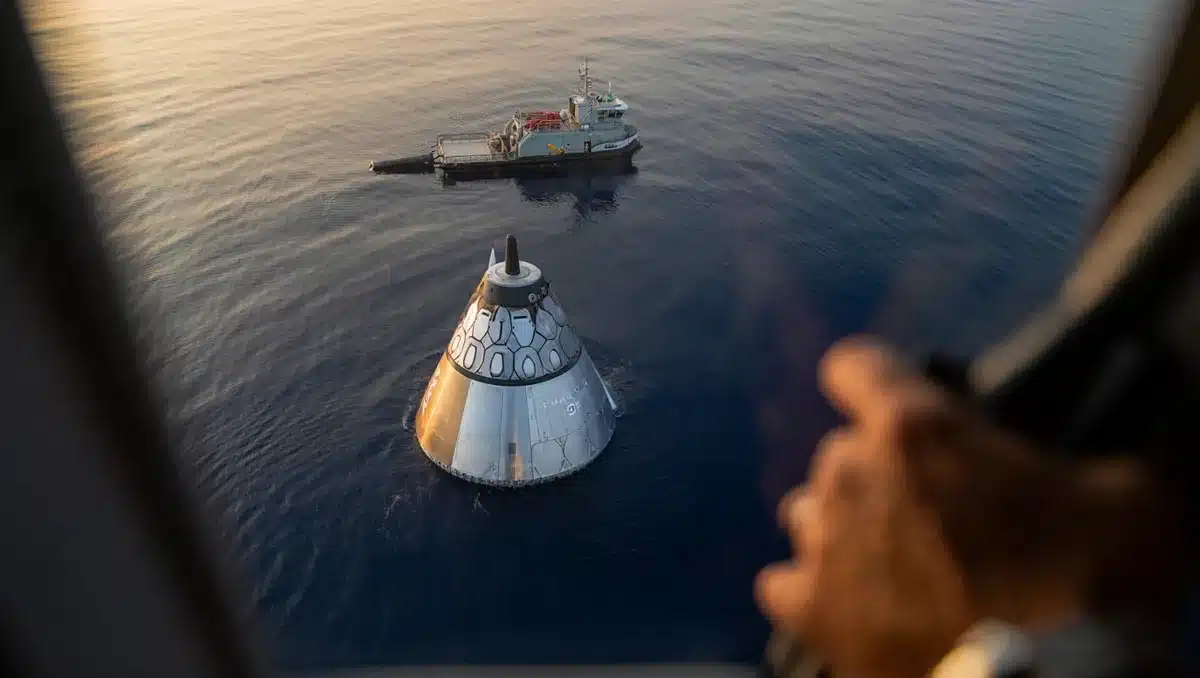
SpaceX’s Starship heat shield passed its most demanding test yet during Flight 13 on July 24, 2026, surviving reentry with minimal damage and remaining intact after splashdown in the Indian Ocean—a first for the spacecraft program. The vehicle touched down under engine power with its hexagonal ceramic tiles still attached, allowing engineers to conduct close-up inspections of the thermal protection system for the first time after experiencing extreme reentry conditions.
The heat shield is composed of approximately 18,000 individual hexagonal ceramic tiles bonded to Starship’s steel skin, covering the windward side of the upper stage. Six of the newly deployed Starlink satellites carried cameras that captured detailed imagery of the heat shield tiles as the vehicle descended, providing unprecedented visual data on how the system performs during atmospheric reentry.
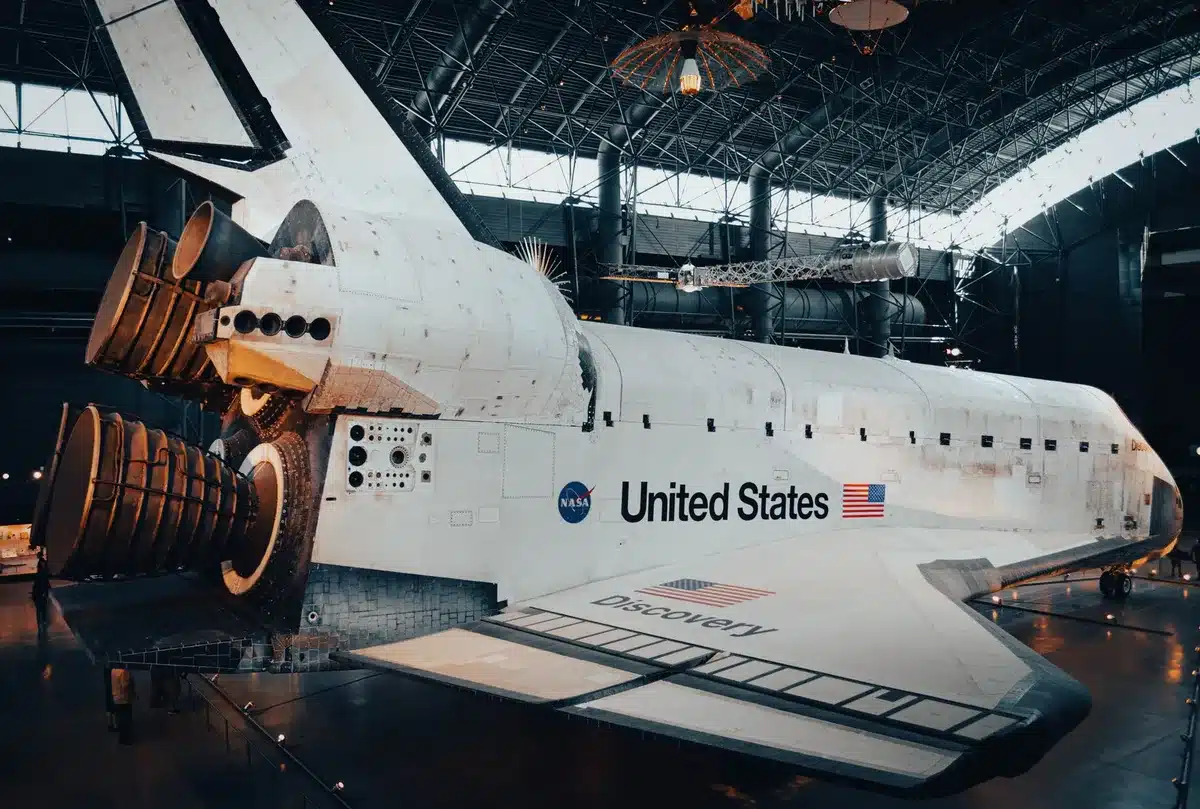
Flight 13 included several upgrades designed to improve tile durability. The heat shield featured load-sensing tiles embedded with sensors to measure the mechanical forces the vehicle experiences during ascent at higher dynamic pressure than previous flights, according to SpaceX’s mission objectives. The tiles were also secured with revised attachment methods combining improved pins and adhesive, addressing a persistent challenge from earlier test flights when tiles detached under lower stress levels.
This achievement builds on progress from Flight 12 in May 2026, when Starship V3 first demonstrated significantly improved heat shield performance during reentry, according to SpaceX’s post-mission update. The vehicle gathered critical data on thermal protection system performance that informed the design changes for Flight 13. Each successful splashdown brings SpaceX closer to the goal of a fully reusable spacecraft capable of rapid turnaround between missions, a key requirement for the company’s long-term plans to support lunar cargo missions and Mars exploration.
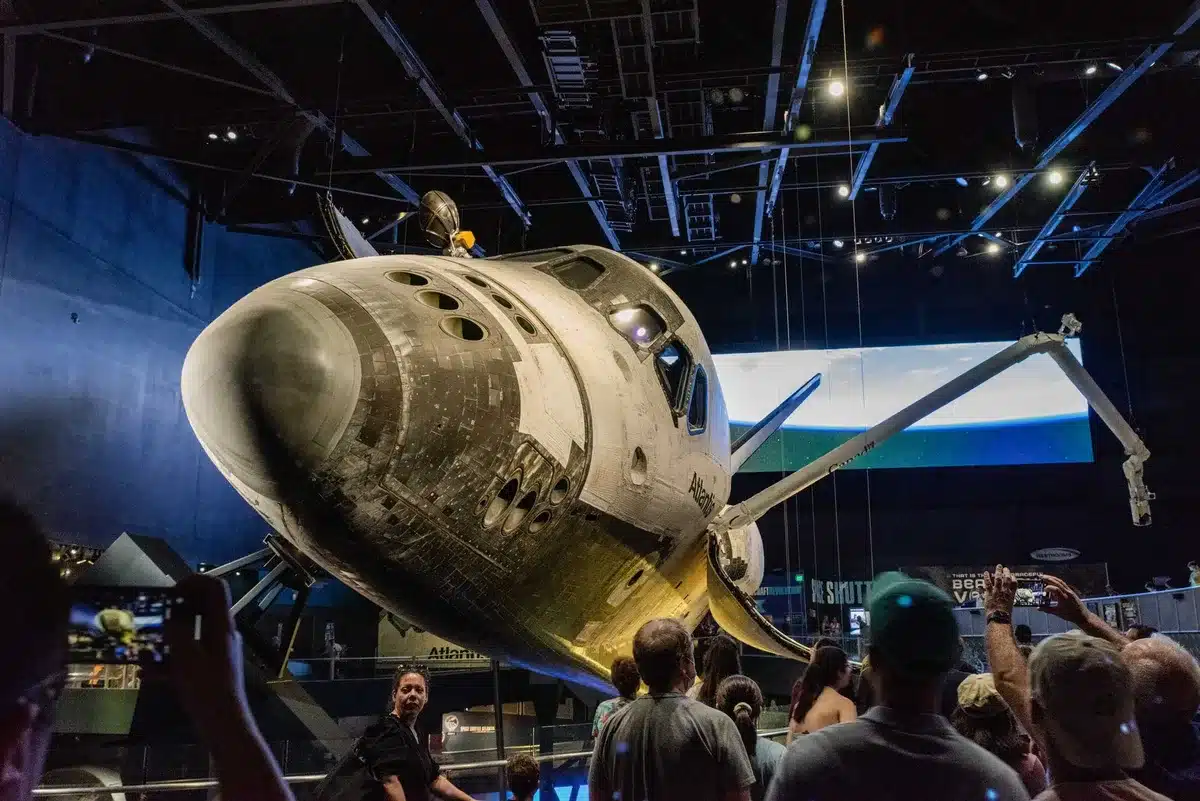
The intact splashdown represents a major milestone for reusability. Previous flights typically resulted in the vehicle breaking apart or tipping over after water contact, limiting post-flight inspection and refurbishment options. By remaining structurally sound and floating after landing, Starship can now be recovered and inspected more thoroughly, accelerating the data cycle that informs future vehicle improvements.
Sources
- SpaceX — Official mission page for Starship Flight 13, launch date and reentry timeline
- SpaceFlightNow — Flight 13 test flight report, Starlink satellite camera deployment, load-sensing tile details
- Reuters — Reentry imagery and heat shield condition post-splashdown
- Florida Today — Flight 13 splashdown details and heat shield tile attachment
- NSS (National Space Society) — Flight 13 engineering details, load-sensing tiles, revised attachment methods
- Advanced Television — Heat shield upgrades and tile attachment experiments
- Basenor — Heat shield composition (18,000 ceramic tiles) and load-sensing technology
- Gizmodo — Flight 12 heat shield performance comparison and V3 improvements
- Social media (Instagram/Facebook) — First-ever intact splashdown observations and drone footage