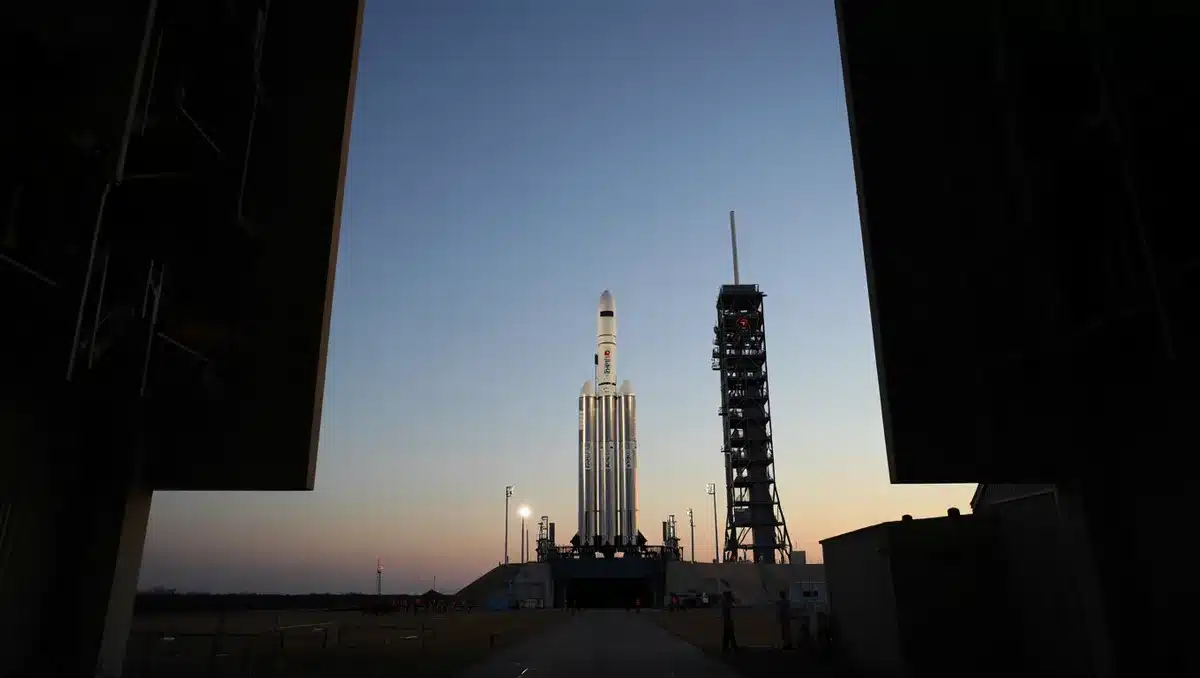
SpaceX is set to launch Starship Flight 13 from its Starbase facility in Texas today, with a 90-minute launch window opening at 5:45 p.m. CT, following an engine-related scrub eight days earlier that forced the company to replace critical hardware and adjust flight sequences.
The July 16 launch attempt ended in a last-second abort when multiple Raptor engines on the Super Heavy booster failed to ignite during countdown. According to Elon Musk, at least two engines required replacement after the hard shutdown, leading SpaceX to roll the booster back to its production facility for extensive work.
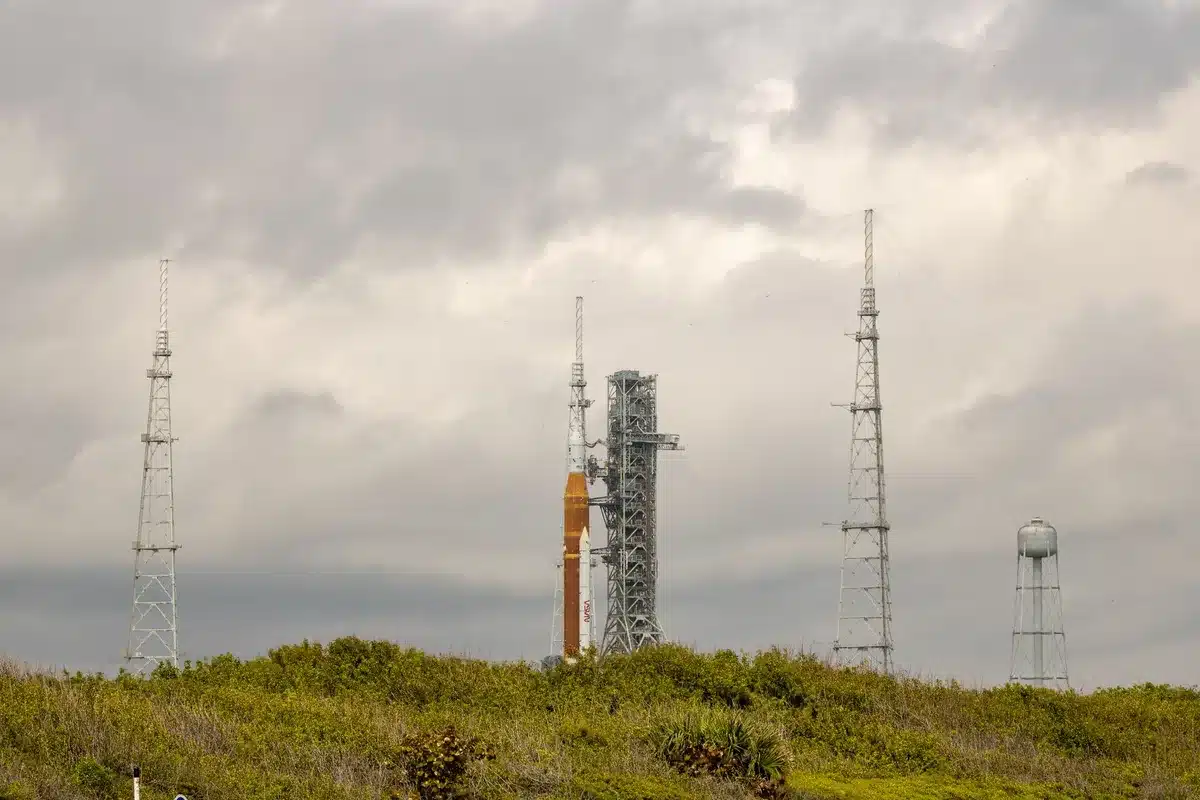
Over the following week, SpaceX replaced multiple Raptor engines on the Super Heavy booster and tested new startup sequences designed to address the ignition problems that plagued Flight 12 in May. The booster returned to Pad 2 on July 21, and engineers completed additional preflight testing before stacking the upper stage (Ship 40) on top of Booster 20 on July 22.
This mission marks the first deployment of operational Starlink V3 satellites from Starship. The 20 satellites will extend solar arrays and antennas in space and attempt to connect with the larger Starlink constellation via high-capacity lasers before demising upon reentry approximately 20 minutes after deployment. Previous Starship flights carried only mass simulators or non-functional test units.
Beyond the satellite deployment, Flight 13 will test critical capabilities for Starship’s future role in NASA’s Artemis lunar program. The mission will attempt an in-space Raptor engine relight on the upper stage—a maneuver that failed during Flight 12 and is essential for orbital deorbit burns, maneuvers, and the powered lunar descent required by NASA’s contract. The booster will also test a new startup sequence and hardware modifications intended to stabilize it during the boostback burn, addressing control issues that caused Booster 19 to be lost in May.

SpaceX has also loaded Ship 40 with upgraded heat shield tiles and load-sensing instruments to gather data on how the ceramic protection system handles higher dynamic pressure during ascent. Several of the Starlink satellites aboard will carry cameras aimed at Starship’s belly to photograph the tiles during flight—imagery that ground telemetry cannot capture and that engineers need to assess the viability of a reusable heat shield, a challenge Elon Musk has identified as the single biggest obstacle to making Starship economically viable.
The mission carries significant stakes for SpaceX’s commercial and government ambitions. NASA’s Artemis program has revised its timeline around Starship’s slower-than-expected progress, with the agency now targeting a crewed lunar landing in 2028 rather than 2026. A successful Flight 13 with a stable booster descent and working engine relight would restore momentum to the program and validate the V3 architecture for future orbital missions. A second consecutive failure of either objective would complicate NASA’s revised timeline and delay SpaceX’s path toward the ship-to-ship propellant transfer and upper-stage catch demonstrations still ahead on the development roadmap.
The launch window on July 24 opens at 5:45 p.m. CDT. The previous scrub on July 16 demonstrated SpaceX’s automated safety systems catching engine problems at the moment they arose. Today’s attempt follows a week of engine replacement and testing work to prevent a repeat of that failure.
Sources
- SpaceX official site — confirmed launch window and date for Starship Flight 13
- Spaceflight Now — reported engine replacement work, satellite deployment objectives, booster recovery plans, and heat shield testing details
- SpaceDaily — analyzed engine relight requirements, heat shield challenges, and NASA Artemis timeline implications
- ABC News — reported July 16 engine ignition failure and Elon Musk’s statement on engine replacement
- CNN — covered the July 16 scrub and Musk’s engine replacement announcement
- Wikipedia — confirmed 20 Starlink V3 satellite payload and mission profile