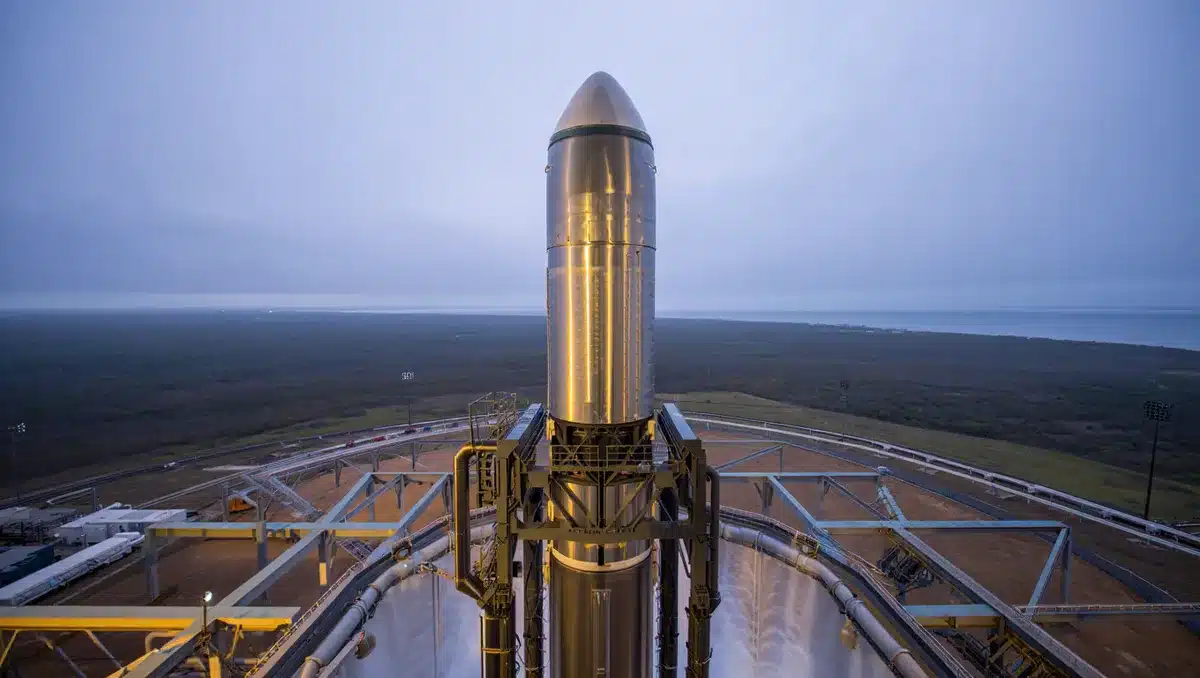
SpaceX is targeting tonight for Starship Flight 13, aiming to launch the massive rocket from Starbase in Texas after a last-second engine abort derailed the first attempt on July 16. Liftoff is scheduled for 6:45 p.m. ET, with a 90-minute launch window opening at 5:45 p.m. CT.
The earlier launch attempt aborted at T-0 when four of the booster’s 33 Raptor engines failed to meet acceptable starting parameters. SpaceX’s flight software triggered an automatic hold just before liftoff, preventing the vehicle from lifting off.
Elon Musk confirmed that two of the engines sustained damage during the startup sequence and required replacement. SpaceX swapped out the two affected Raptor engines and completed post-repair testing by July 22, according to reports. The company also adjusted engine startup sequences and upgraded engine alarms to prevent a repeat of the ignition issue.

Flight 13 marks a milestone for the Starship program: it will carry 20 Starlink V3 satellites to orbit for the first time, replacing the mass simulators used on earlier test flights. The satellites feature extended solar arrays and antennas that will be deployed during the mission, testing new capabilities for SpaceX’s next-generation constellation.
The booster’s primary test objectives include executing a successful launch, ascent, and stage separation, followed by a boostback burn and landing burn in the Gulf of Mexico. The upper stage, Ship 40, will continue to the Indian Ocean for a controlled reentry.
Recovery and Upgrades
The July 16 abort was not an isolated incident. According to SpaceX’s analysis, a sequence change in the upper-stage engines—which ignite before the two rocket halves separate—caused the directional flip of the booster to be off by approximately 90 degrees during the startup. This triggered the automatic safety abort.
Beyond the engine replacement, SpaceX made hardware modifications to enhance Raptor re-light reliability during the boostback burn phase, a critical maneuver where the booster must reignite engines mid-flight to slow its descent. The company also updated engine alarms and abort thresholds to reflect real-world performance data from earlier flights.
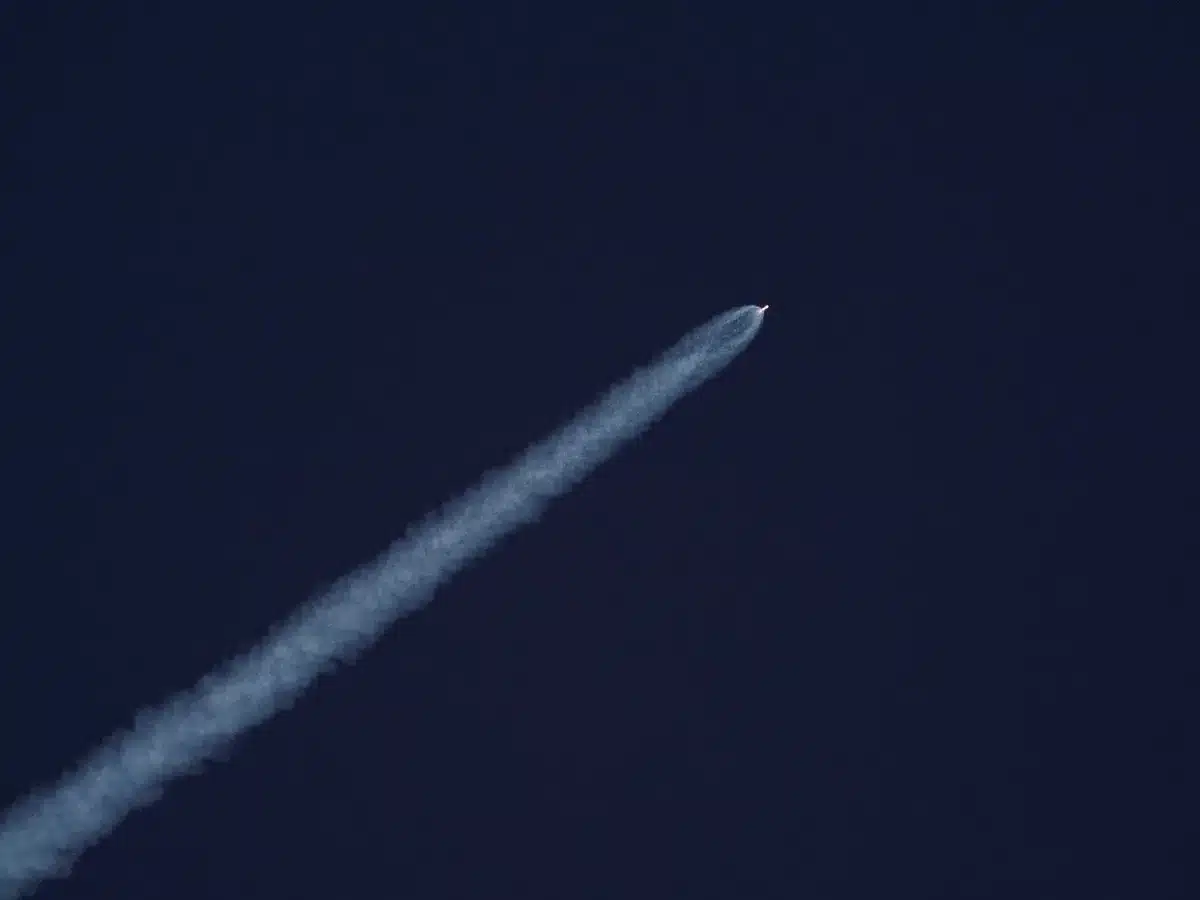
These fixes follow a broader pattern: SpaceX routinely uses test flights to identify and correct issues before they compound. Flight 13 represents the second test of the redesigned Starship Block 3 vehicles, with a stretched fuselage and enhanced capabilities compared to earlier prototypes.
If tonight’s launch succeeds, it will mark a significant step toward operational Starship flights and demonstrate SpaceX’s ability to deploy functional Starlink satellites from the vehicle—a key milestone for the company’s plans to use Starship as a primary launch platform for the constellation.
Sources
- Space.com — Starship Flight 13 rescheduled to July 23 after July 16 abort; liftoff time and engine replacement details
- SpaceNews — Engine failure details and launch abort circumstances
- Reuters — Elon Musk statement on engine replacement and rescheduled launch timing
- USA Today — Starship test flight objectives and significance
- Spaceflight Now — Post-ignition anomaly analysis and booster directional issue
- All Things Elon — Engine swaps and propulsion system upgrades for July 23 launch