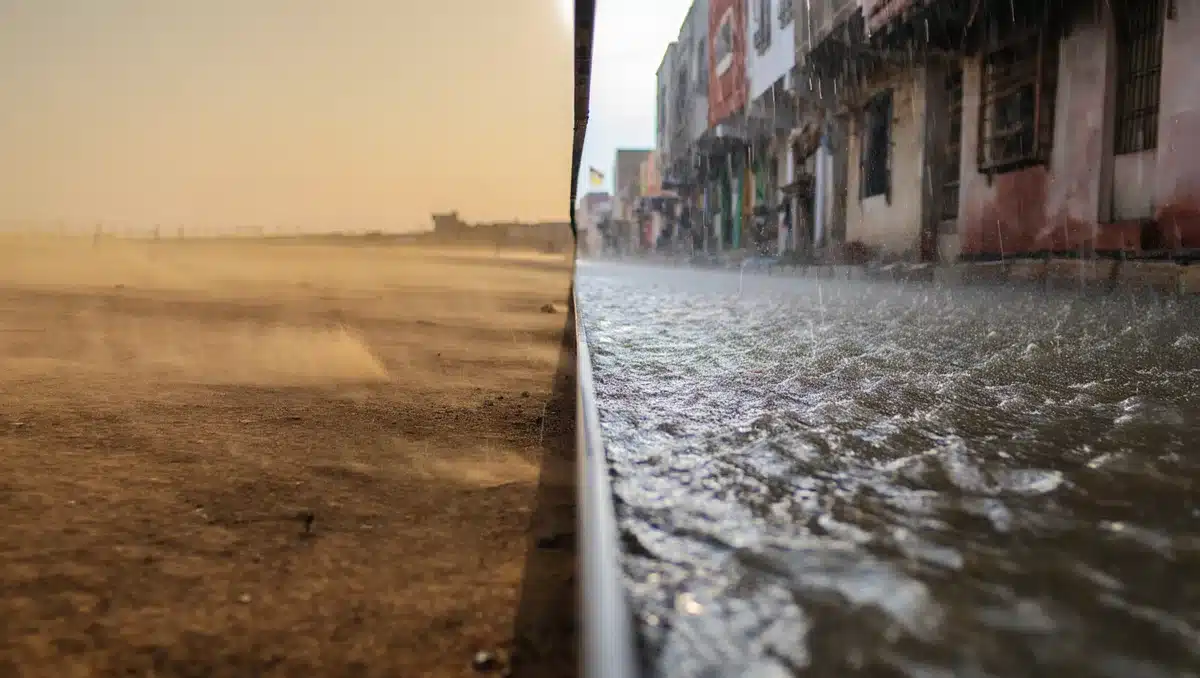
A new weather study reveals that climate whiplash—rapid swings between extreme drought and intense flooding—is becoming the new normal for US communities, with major cities from Dallas to Texas experiencing increasingly unpredictable cycles that challenge infrastructure and public safety.
A comprehensive analysis by the charity WaterAid, conducted with researchers from Cardiff and Bristol Universities, examined climate trends in 112 major cities over the past 42 years and found that about 15% of cities studied are now experiencing climate whiplash, an intensification in both extreme wet and extreme dry periods. The research identified 17 cities globally hit hardest by this pattern, including Dallas, which ranks among the top “whiplash cities” suffering more frequent extremes of both conditions.
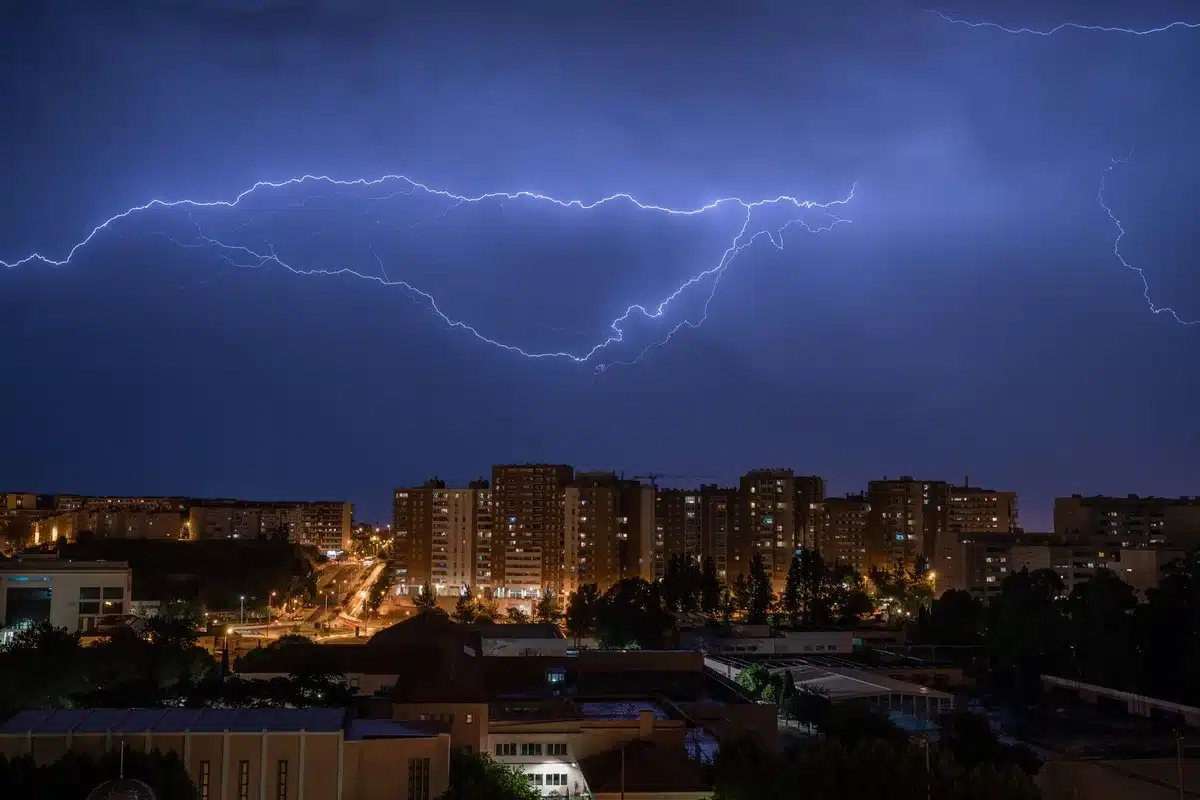
The mechanism driving climate whiplash is rooted in fundamental atmospheric physics. For every 1 degree Celsius of warming, the atmosphere holds approximately 7% more moisture—a principle known as the “7% rule.” This expanded atmospheric capacity means the air can extract more water from the ground during hot, dry periods, intensifying droughts, while also releasing more intense downpours when rains arrive.
Texas State Climatologist John Nielsen-Gammon, speaking to the Planet Classroom Network in July 2026, outlined the escalating threat for the state. He noted that triple-digit heat days in Texas could quadruple by 2036, straining power grids and pushing public health systems to their limits. The state already exemplifies the whiplash pattern, experiencing severe drought and major flooding within identical seasonal cycles—a consequence of El Niño and La Niña climate variability combined with regional climate contrasts.
The study also found that 24 cities have seen dramatic climate flips over the past 20 years, shifting from dry to wet extremes or vice versa. Cities like Cairo, Madrid, and Riyadh have experienced the sharpest reversals from wet to dry, while Lucknow and Surat in India have flipped from dry to wet. These rapid transitions give communities little time to prepare and recover, damaging water supplies, agriculture, and infrastructure.
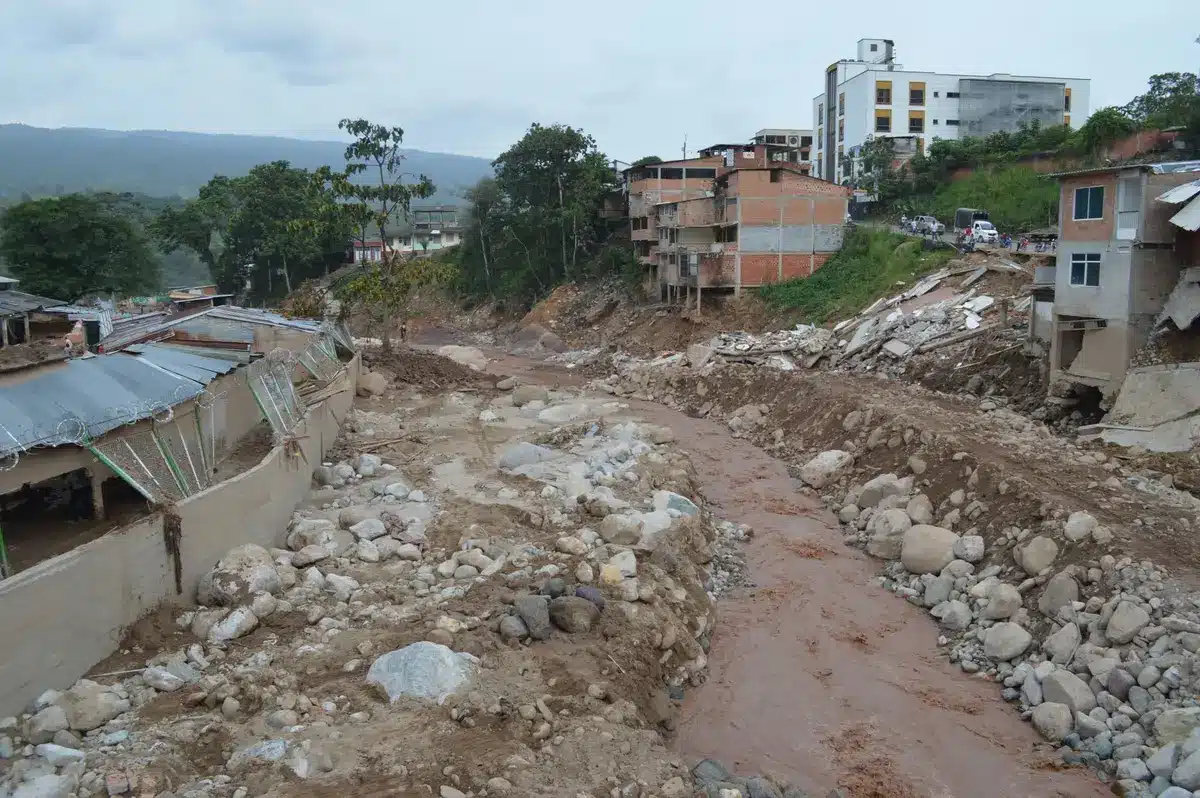
The research highlights that cities already struggling with water infrastructure—such as Khartoum in Sudan, Faisalabad in Pakistan, and Amman in Jordan—face the greatest dangers when climate whiplash combines with high social vulnerability. When torrential rains overwhelm aging sewage systems, drinking water becomes contaminated. When droughts persist, water shortages disrupt food supplies and electricity generation in regions reliant on hydropower.
Rising temperatures driven by fossil fuel emissions are disrupting key atmospheric systems, including the jet stream and polar vortex, which regulate weather patterns. As the climate warms, these disruptions intensify both wet and dry extremes, making forecasting harder and evacuation windows shorter. Communities must now plan for infrastructure designed not for historical averages, but for future climate extremes.
El Niño variability is amplifying these swings, and global temperatures are rising rapidly, making climate whiplash an increasingly defining feature of the 21st century. Adaptation is already underway in some cities—Austin is pursuing long-term water planning, and agricultural regions are shifting practices to manage drought—but experts emphasize that local action must accelerate to match the pace of climate change.
Sources
- Planet Classroom Network / PR Newswire — Texas State Climatologist John Nielsen-Gammon’s July 2026 podcast episode on extreme weather patterns, the “7% rule,” and projections for triple-digit heat days in Texas.
- The Guardian — March 2025 analysis of WaterAid study examining 112 cities over 42 years; identified 17 whiplash cities (including Dallas) and 24 cities experiencing climate flips; detailed impacts on vulnerable communities.
- Royal Meteorological Society — March 2025 explanation of climate whiplash mechanism, global warming’s role in disrupting jet stream and polar vortex, and the 15% of cities experiencing simultaneous extreme wet and dry periods.
- Climate Signals / Breakthrough Institute — Scientific basis for the “7% rule”: atmospheric moisture increase of 7% per 1°C warming and its role in intensifying both droughts and floods.