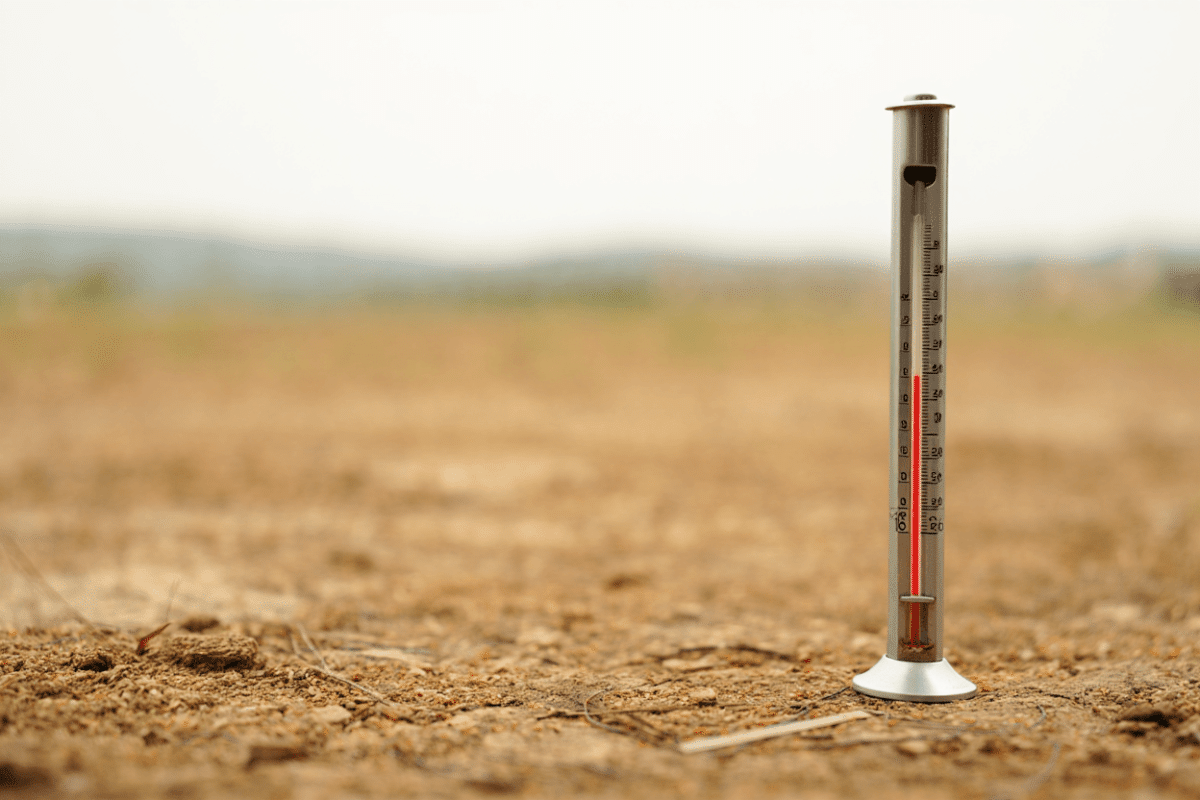
The World Meteorological Organization warned May 28 that global temperatures will likely breach the Paris Agreement’s critical 1.5°C warming limit during the next five years, with a 75 percent chance the average temperature between 2026 and 2030 will exceed that threshold above pre-industrial levels.
The WMO’s Global Annual to Decadal Climate Update predicts annual global mean near-surface temperatures during 2026-2030 will range between 1.3°C and 1.9°C above the 1850-1900 baseline, according to the report released May 28, 2026.
More striking still, the organization found an 86 percent likelihood that at least one year between 2026 and 2030 will surpass 2024 as the warmest year on record, and a 91 percent chance that global average temperatures will exceed 1.5°C for at least one of the next five years.
The 1.5°C target emerged from the 2015 Paris Agreement, when nations committed to limit global warming well below 2°C and pursue efforts to cap it at 1.5°C above pre-industrial levels, according to the United Nations Framework Convention on Climate Change.
The distinction matters enormously. At 1.5°C of warming, roughly 70 to 90 percent of coral reefs are expected to die off worldwide, according to NPR reporting on climate science. At 2°C, 99 percent are lost. The threshold also marks where sea level rise accelerates, extreme heat events intensify, and drought and flood risks spike across vulnerable regions.
For businesses, the financial implications are mounting. Climate change creates increased operating costs, greater regulatory compliance expenses, and supply chain disruptions, according to CDP’s analysis. Companies face higher debt costs when exposed to climate regulatory shocks, and physical risks from extreme weather threaten agriculture, energy demand, and insurance sectors, according to reporting on the WMO forecast.
The probability of breaching 1.5°C has climbed sharply. A forecast from May 2025 showed a 70 percent chance the five-year average for 2025-2029 would exceed 1.5°C, up from 47 percent the prior year. The latest 2026 report pushes that likelihood to 75 percent for 2026-2030, reflecting accelerating warming trends.
An El Niño pattern predicted for late 2026 is expected to further elevate temperatures in 2027, according to UN News reporting on the WMO update, potentially making that year the next record-breaking period.
Sources
- World Meteorological Organization (WMO) — May 28, 2026 report on global temperatures 2026-2030, probability of exceeding 1.5°C, and likelihood of record-breaking years
- UN News — May 28, 2026 coverage of WMO forecast, temperature ranges, and El Niño outlook
- AP News — May 28, 2026 reporting on 75% chance of exceeding 1.5°C average
- France 24 — May 28, 2026 coverage of five-year temperature predictions
- Reuters — May 28, 2026 reporting on temporary exceeding of 1.5°C threshold
- Earth.org — May 29, 2026 coverage citing WMO’s 91% probability for at least one year exceeding 1.5°C
- United Nations Framework Convention on Climate Change (UNFCCC) — Paris Agreement details and 1.5°C target rationale
- NPR — November 8, 2021 reporting on climate impacts at 1.5°C warming including coral reef die-off rates
- CDP — Analysis of climate-related financial impacts on companies, including operating and compliance costs