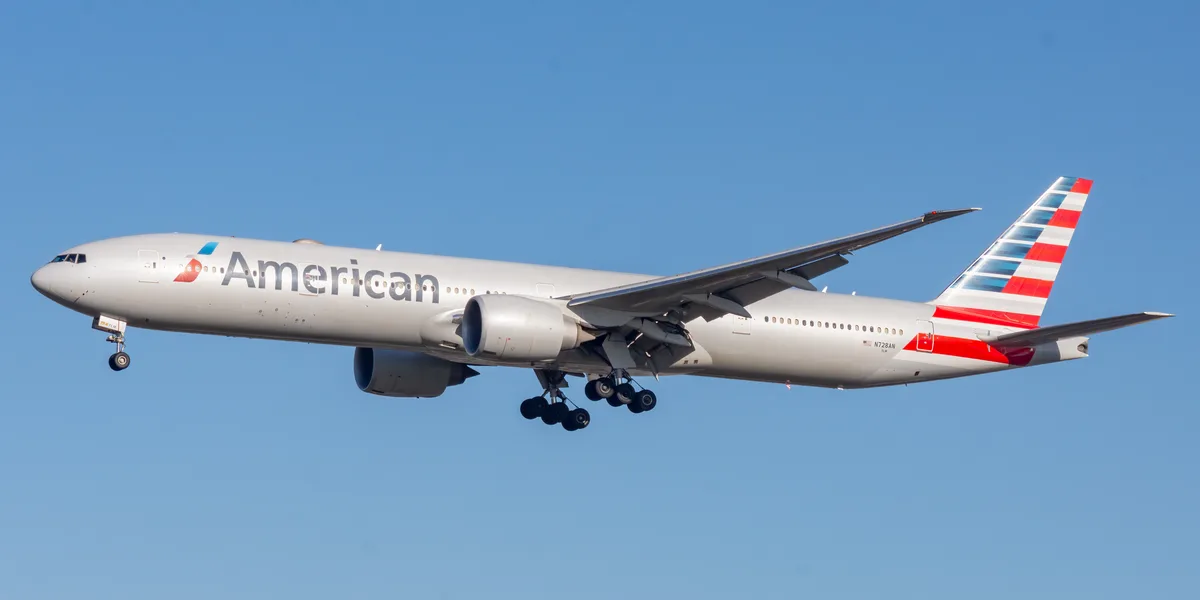
American Airlines flight AA108 diverted to John F. Kennedy International Airport on July 20 after its landing gear failed to retract following takeoff from Boston Logan, forcing the Boeing 777-200ER to abandon its transatlantic crossing to London Heathrow.
The aircraft, registered N772AN, pushed back normally and climbed away before the crew discovered the landing gear stuck in the down position shortly after departure. With extended landing gear dramatically increasing aerodynamic drag and fuel burn, the crew made the decision to route south at a low altitude of around 5,000 feet down the Massachusetts coast toward Long Island, landing safely at JFK at 22:00 local time with no injuries reported.
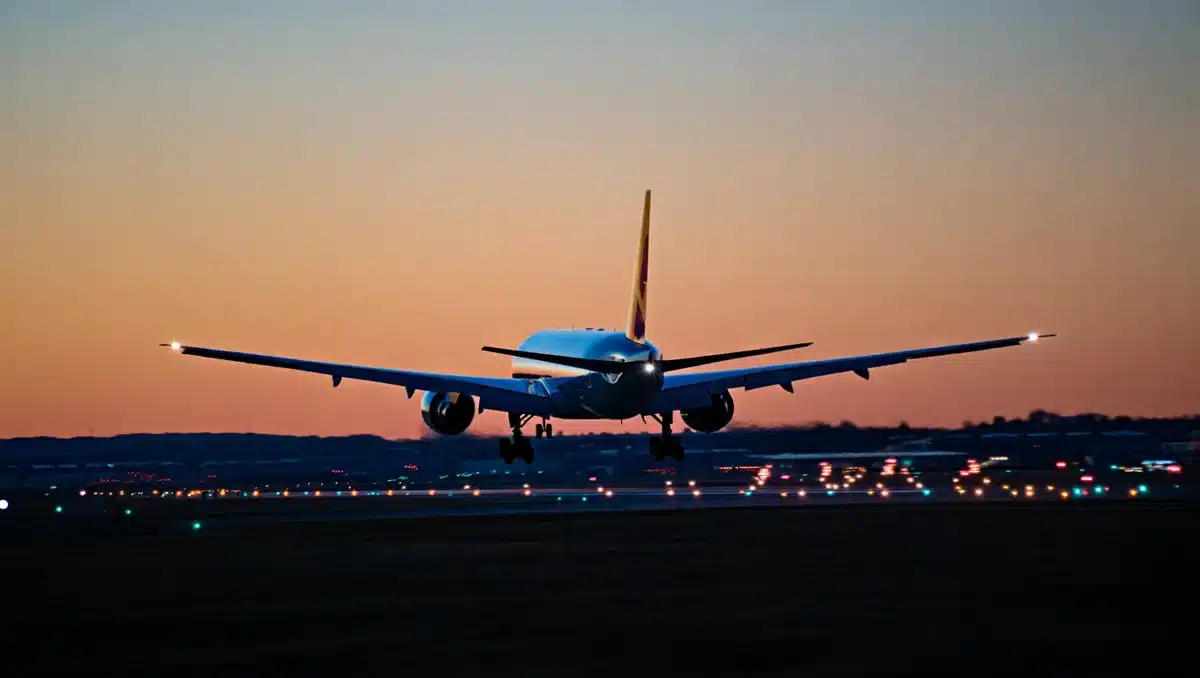
Landing gear left hanging in the airflow creates a critical range problem for long-haul flights. While wheels-down is the safe landing configuration, extended gear roughly doubles fuel burn at cruise altitude, making an Atlantic crossing impossible on a normal fuel load. As AeroCorner reported, the 777 would have run out of fuel well short of Europe if it attempted to press on, forcing the diversion to JFK—where American Airlines maintains a major international maintenance hub and long-haul support facilities.
American Airlines dispatched a second 777-200ER, registered N784AN, to ferry the stranded passengers and crew from JFK to London. The replacement aircraft departed at 01:26 local time on July 21, but approximately 45 minutes after takeoff, the crew encountered an issue with one of the aircraft’s engines, necessitating a second diversion. The aircraft returned to Boston, landing at 03:15 local time after burning fuel off the Massachusetts coast.
Mechanical diversions have become a recurring pattern on this route. Flight tracking data showed that AA108 had already been cancelled on July 19 due to mechanical reasons before the July 20 landing gear incident. The compounding failures—first the landing gear retraction fault, then the engine issue on the replacement aircraft—left passengers stranded after approximately 3.5 hours in the air flying from Boston to Boston.
The original transatlantic service was formally cancelled, and affected travelers were rebooked onto alternate flights. Technical teams at JFK inspected the primary aircraft to determine the cause of the gear retraction failure. The replacement aircraft’s engine issue was attributed to a Rolls-Royce Trent 892 problem, according to passenger reports. American Airlines’ 777-200ER fleet averages 25 years old, and all aircraft are powered by Rolls-Royce Trent 800 series engines.
Flight diversions due to landing gear issues are not uncommon in aviation. When gear fails to retract, crews follow well-rehearsed procedures prioritizing fuel management and selecting airports with appropriate maintenance support. The diversion itself is a controlled decision, not an emergency—the wheels are already down and locked, making landing safe. The limiting factor is fuel range, the same calculation that drove a Southwest Boeing 737-800 to divert to Charleston on July 20 after a suspected fuel leak was detected at cruise altitude over South Carolina.
Sources
- AeroCorner — detailed reporting on the landing gear retraction failure, fuel burn implications, and why the diversion was necessary for range management
- AIRLIVE — timeline and specifics of the July 20 diversion, aircraft registration, and replacement aircraft dispatch
- Flightradar24 — comprehensive coverage of the full incident sequence, including the replacement aircraft’s engine issue and return to Boston, and American Airlines’ 777-200ER fleet composition