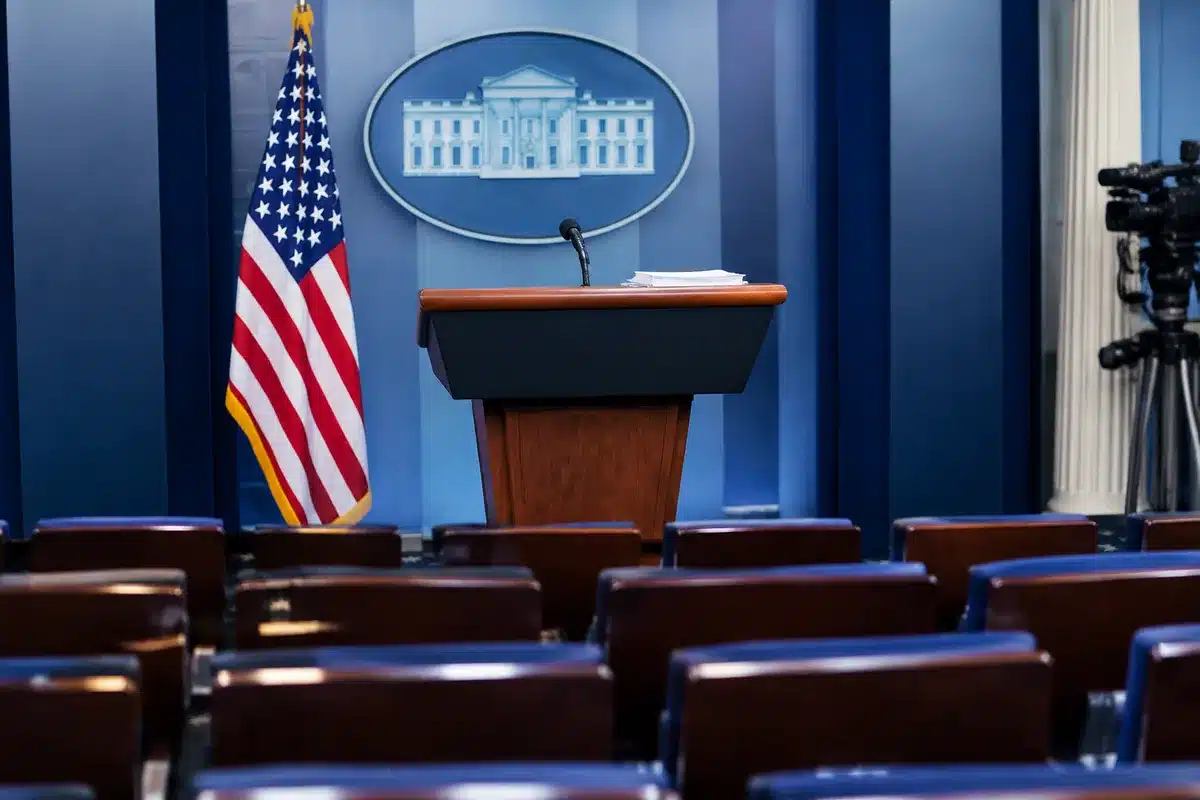
President Donald Trump declared the ceasefire between the United States and Iran “over” on July 8 during a NATO summit in Ankara, Turkey, marking the end of a three-week diplomatic pause and triggering a second day of intensive military strikes that has escalated tensions across the Middle East.
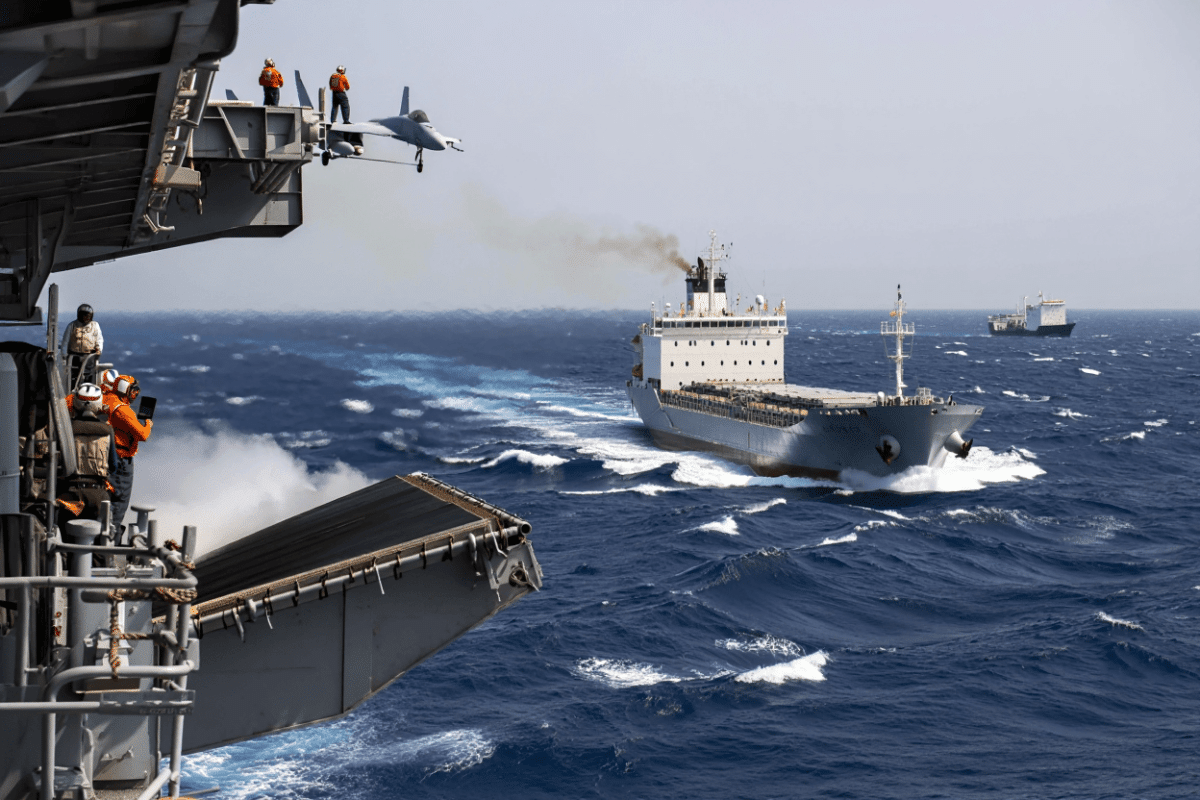
The U.S. military has struck more than 170 Iranian military targets over the past two days, according to the New York Times, including air defense systems, drone and missile storage facilities, and coastal surveillance assets. U.S. Central Command said it hit approximately 90 targets along Iran’s coastline overnight on July 8, describing the strikes as retaliation for Iran’s attacks on commercial shipping in the Strait of Hormuz.
Iran fired on three commercial vessels transiting the Strait of Hormuz on July 7, according to a CNN report, prompting the U.S. response. The attacks on unarmed merchant ships marked a critical breach of the ceasefire agreement and set off a cycle of escalation that continues to unfold. Iran’s Health Ministry reported that at least 14 people were killed and 78 injured across the two days of American airstrikes, according to The Guardian.
In response to the fresh U.S. strikes, Iran’s Islamic Revolutionary Guard Corps launched drones and missiles at U.S. military bases in Kuwait and Bahrain, according to the Washington Post. Iran’s army also reported striking a U.S. military site in Qatar, and fired ballistic missiles at a base in Jordan, though Jordanian air defenses intercepted all of them with no reported casualties.
How the Ceasefire Unraveled
The 60-day memorandum of understanding signed on June 17, 2026, was designed to provide a window for negotiations to end the broader conflict that began in February, according to the BBC and AP News. The agreement extended an initial two-week ceasefire announced in April and was meant to allow both sides to negotiate a permanent end to hostilities. Trump had previously stated the war was “terminated” under the ceasefire arrangement.
Speaking at the NATO summit, Trump said he thought the ceasefire was “over” and warned Iran that further strikes would “get much worse,” according to the Washington Post. He also threatened to reimpose a U.S. naval blockade on Iranian oil exports, a move that would further isolate Iran’s economy. The Strait of Hormuz, through which roughly 20% of global oil production flows, has been a persistent flashpoint throughout the conflict, with Iran using threats to close or restrict it as leverage in negotiations.
The escalation marks a dramatic reversal from the relative calm that had prevailed since the ceasefire began in mid-June. The collapse comes amid broader regional instability, including the funeral of Iran’s slain Supreme Leader Ali Khamenei, who was killed in late February during the initial U.S.-Israeli strikes. His burial on July 9 drew hundreds of thousands of mourners to the city of Mashhad, even as military strikes continued overhead, according to media reports.
Sources
- The New York Times — U.S. forces struck more than 170 Iranian military targets in two days, including air defense systems and drone storage facilities
- CNN — Iran fired on three commercial vessels in the Strait of Hormuz; U.S. military hit 90 targets along Iran’s coastline; casualty figures from Iran’s Health Ministry
- The Washington Post — Trump’s declaration that ceasefire is “over,” details of U.S. and Iranian military operations and retaliation
- The Guardian — Iran’s Health Ministry reported 14 killed and 78 injured; U.S. Central Command statement on strikes
- BBC — 60-day memorandum of understanding signed June 17, 2026; agreement structure and terms
- AP News — Details of ceasefire agreement and initial two-week ceasefire announced in April 2026