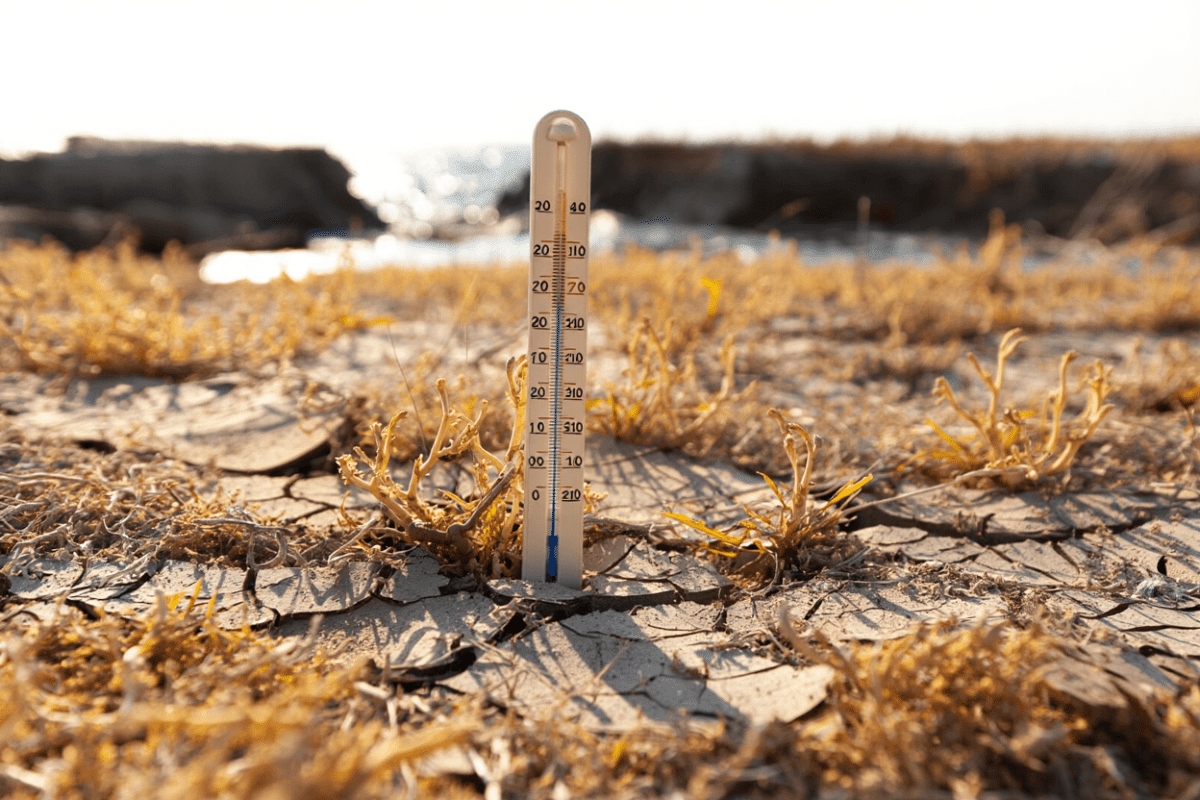
Global ocean surface temperatures hit record highs in early July 2026, with climate change driving unprecedented heat across both the world’s waters and the United States, according to data from Europe’s Copernicus Climate Change Service and the Copernicus Marine Service.
On June 21, average global sea surface temperatures reached 20.86 degrees Celsius (69.54 degrees Fahrenheit), surpassing the previous June record set in 2024, according to NBC News and CNN reporting on Copernicus data. The Copernicus Marine Service recorded temperatures at 21 degrees Celsius (69.8 degrees Fahrenheit) that same day, beating the 2024 record by 0.18 degrees Fahrenheit.
Carlo Buontempo, director of the Copernicus Climate Change Service, warned that the world is entering “uncharted territory.” “With ocean temperatures at these levels and El Niño on the horizon, we are likely to see more temperature records fall in the coming months,” Buontempo said in a statement to NBC News on July 1.
The ocean heat is being driven by climate change, with greenhouse gas emissions from fossil fuel burning trapping heat in Earth’s atmosphere. Richard Allan, a professor of climate science at the University of Reading, explained to NBC News that “the planet is warming because we’re emitting vast quantities of greenhouse gases, primarily from fossil fuel burning, into the atmosphere and that’s stifling the ability of the planet to lose its heat to space.” Oceans absorb around 90% of the excess energy on Earth caused by fossil fuel burning, according to the NBC News report.
The record ocean temperatures coincided with a dangerous heat wave scorching the United States in early July. More than 46 million people were under extreme heat alerts as of July 1, with the National Weather Service warning of “dangerous heat” across the central and eastern U.S., with highs expected to reach the mid-to-upper 90s and some locations exceeding 100 degrees Fahrenheit, according to NBC News. Heat indexes in some areas reached 115 degrees Fahrenheit.
By July 6, the extreme heat had killed at least two dozen people across the U.S., according to Axios reporting. Officials in New Jersey announced 22 heat-related deaths over the weekend, while additional deaths were reported in Illinois and Mississippi. The National Weather Service recorded daily record highs across dozens of observing sites over the Independence Day weekend, including a record July 4 high of 103 degrees Fahrenheit at Reagan National Airport in Washington, D.C., according to Axios.
The current warming mirrors a pattern established in 2025, when ocean heat content reached record levels for a ninth consecutive year, according to sources cited in the Climate Adaptation Platform reporting. In 2025, about 16% of the global ocean area reached record-high ocean heat content, signaling an acceleration of warming trends that climate scientists attribute to human-caused climate change.
The combination of record ocean heat and an emerging El Niño event—a natural climate cycle characterized by unusually warm waters in the tropical Pacific—is intensifying global warming. El Niño conditions are expected to strengthen through late 2026, potentially making it one of the strongest in decades, according to BBC and Reuters reporting on forecasts from the World Meteorological Organization and other monitoring agencies.
Pierre-Yves Le Traon, scientific director of Mercator Ocean International, which operates the Copernicus Marine Service, told NBC News that “it’s really worrying to see this trend” and emphasized the importance of continuing to monitor rising ocean surface temperatures while reducing greenhouse gas emissions.
Sources
- NBC News — Record ocean surface temperatures in June 2026, Copernicus data, climate science expert commentary on greenhouse gas warming, and US heat wave impacts with 46 million people under extreme heat alerts.
- CNN — June 2026 ocean temperature records from Copernicus Climate Change Service and Marine Service, expert analysis on El Niño and climate change interaction.
- Axios — US heat wave death toll (at least two dozen), specific deaths in New Jersey, Illinois, and Mississippi, temperature records at Reagan National Airport on July 3-4, and climate change context.
- Climate Adaptation Platform — 2025 ocean heat content records and precedent for warming trends.