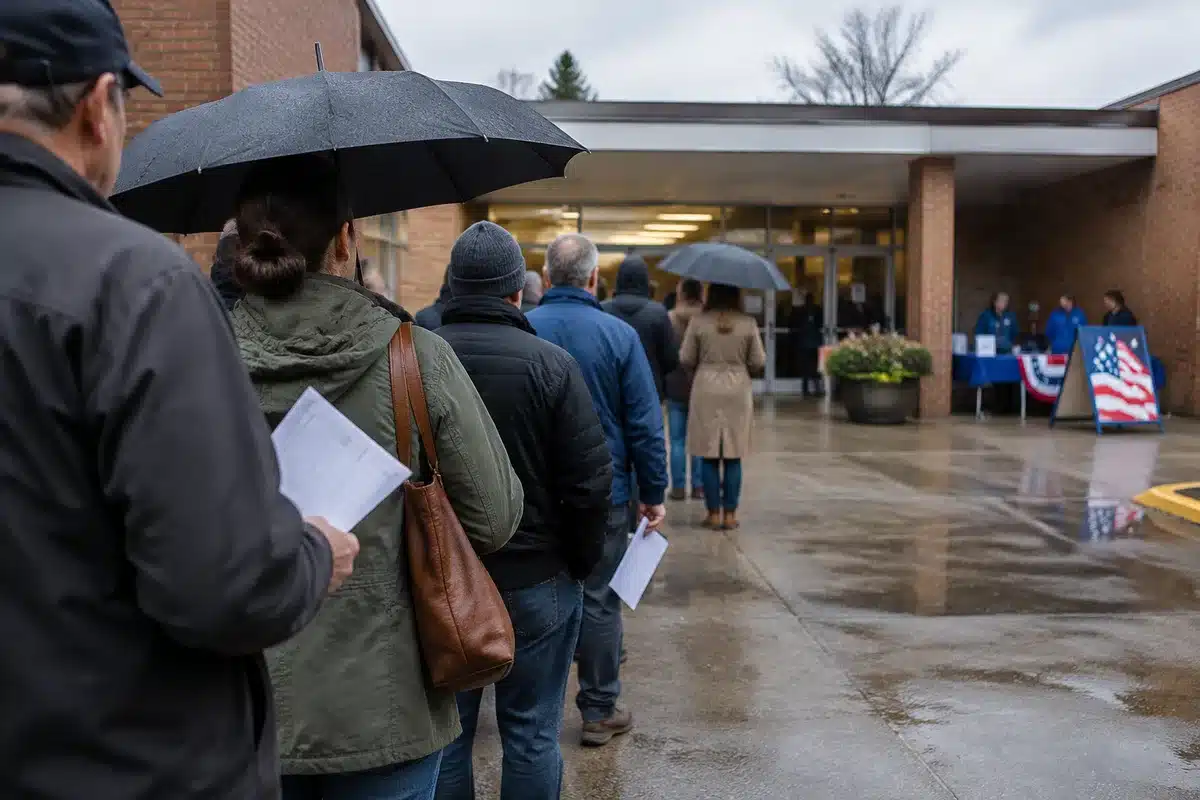
Democrat Mary Peltola and Republican incumbent Dan Sullivan advanced from Alaska’s primary election to the November general election, securing the top two spots in a competitive race under the state’s nonpartisan top-four voting system. Peltola led with 48% of the vote, while Sullivan, seeking a third Senate term, received 42.8%, according to results confirmed by multiple outlets including CNN and The Washington Post.
Alaska’s voting system allows all candidates, regardless of party affiliation, to run on the same primary ballot, with the top four vote-getters advancing to the general election scheduled for November 3, 2026. This structure means the November contest will feature candidates from both parties on equal footing, a departure from traditional primary-runoff systems used in other states.

Peltola, the first Alaska Native member of Congress, served in the U.S. House from 2022 to 2025 after winning a special election to replace longtime Republican congressman Don Young. She announced her Senate bid in January 2026, giving Democrats a significant recruitment win in a competitive race. Sullivan, a veteran and ally of President Donald Trump, has held the Senate seat since 2015 and campaigned on supporting the military and opening more land for development.
The race drew substantial financial investment, with more than $30 million spent by candidates and outside groups, according to Alaska Public. The primary field included 16 candidates, but Peltola and Sullivan emerged as the highest-profile contenders. A complication arose when a retired teacher also named Dan J. Sullivan entered the race, a situation that drew criticism from the incumbent senator and the GOP’s Senate campaign arm, who raised concerns about voter confusion.

The race is considered competitive, with polls showing Peltola with an edge heading into the general election. Under Alaska’s ranked-choice voting system for the November contest, voters will be able to rank candidates in order of preference, a feature that could affect the final outcome if neither candidate secures a majority of first-choice votes.
Sources
- CNN — confirmed Peltola’s 48.1% and Sullivan’s 42.7% vote share, and reported the race as a key Democratic target
- The Washington Post — reported the primary results and Sullivan’s third-term bid
- NBC News — projected both candidates’ advancement to the general election
- The New York Times — provided background on both candidates and the race dynamics
- Alaska Public — reported the $30 million in campaign spending and confirmed the advancement of both candidates
- Wikipedia — confirmed Alaska’s top-four primary system and the November 3 general election date
- AP News — reported the primary results and candidate backgrounds
- The Guardian — covered the primary advancement and race context