Saving money in 2026 hinges on three practical strategies: automating transfers to high-yield savings accounts, cutting subscription costs, and systematically paying down debt. Together, these approaches address where Americans are actually struggling financially and where the financial system now offers better tools than in years past.
More than half of Americans, 55%, plan to significantly cut back on subscriptions in 2026 to save money, according to a NerdWallet survey released in April 2026. The trend reflects real financial pressure and subscription fatigue. The average household has already dropped from 4.1 paid subscriptions in 2024 to just 2.8 in 2025, a steep 32 percent decline, according to NerdWallet data. US adults waste an average of $252 a year on unused subscriptions, according to a CNET survey from June 2026.
Cutting subscriptions starts with a simple audit. Go through your credit card and bank statements to list every subscription, its cost, and how often you actually use it. Many people are surprised to discover forgotten charges or services they no longer value. Once you’ve identified the ones to cancel, start with obvious cuts — apps you never open, memberships you’ve outgrown, services with price increases you didn’t authorize. For harder decisions, consider free or cheaper alternatives: your local library often offers free streaming, e-books, audiobooks, and DVD access through apps like Libby, replacing paid streaming services entirely.
Automation is equally critical for building savings. Setting up recurring transfers from your checking account to a dedicated savings account removes the temptation to spend money before you save it. By automating transfers shortly after each paycheck, you treat savings like a non-negotiable bill rather than something left over at month’s end. This approach works because it removes the decision-making burden and builds momentum through consistency.
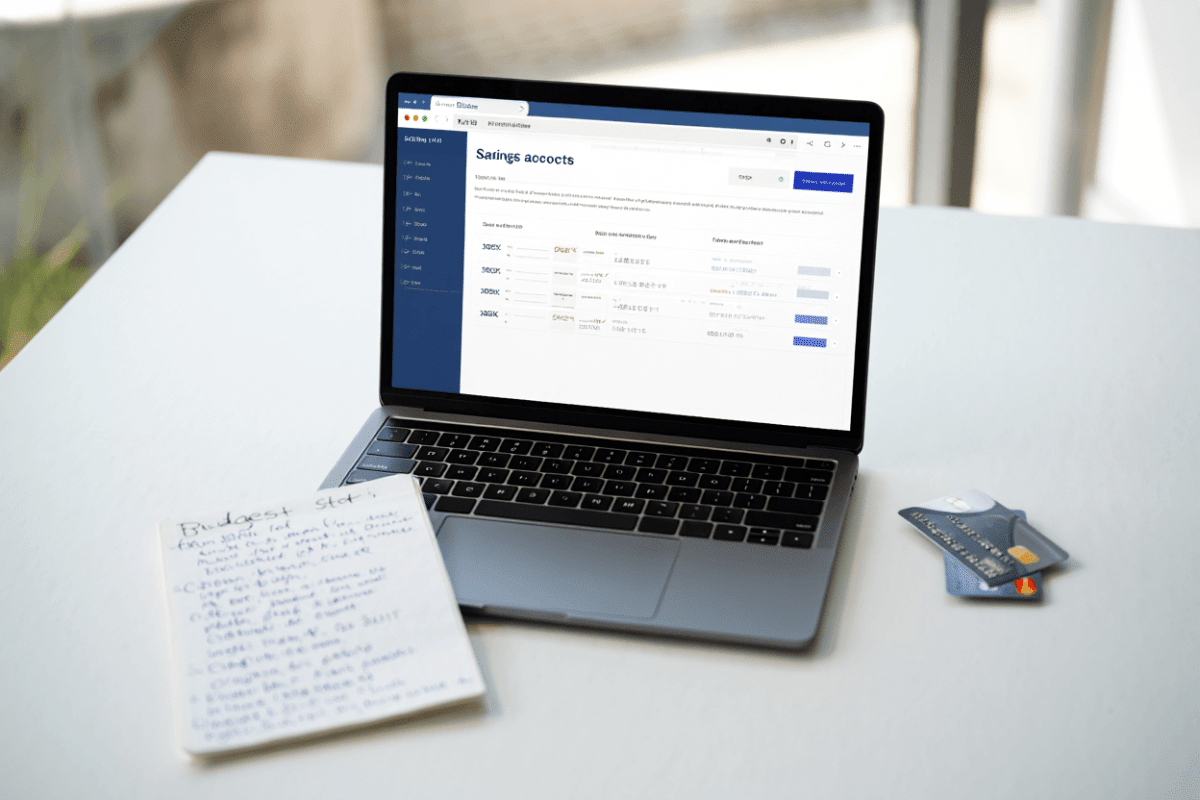
The savings vehicles themselves have improved. High-yield savings accounts in 2026 offer rates around 4% APY or higher, according to multiple financial institutions. As of July 2, 2026, the highest available rates reached 4.26% APY with some accounts offering up to 5.00% on limited balances, according to NerdWallet and Investopedia. This stands in stark contrast to the national average savings rate of roughly 0.40%, making high-yield accounts an effective way to grow savings without additional effort.
For debt payoff, two main strategies dominate: the debt snowball and the debt avalanche. The snowball method targets your smallest debt balance first, regardless of interest rate, building psychological momentum by clearing debts quickly. The avalanche method prioritizes your highest-interest debt first, saving more money on interest over time. According to Fidelity, the snowball method doesn’t save as much on interest as the avalanche method because it doesn’t pay down higher-rate balances as quickly. However, financial experts note that the snowball method is often more effective for those who struggle with motivation, since clearing smaller debts first creates visible progress.
The choice between them depends on your psychology and financial situation. ClearValue Lending reports that the debt avalanche saves the most money mathematically by always attacking the highest APR first, while the debt snowball builds momentum by clearing smaller balances. Both require the same core discipline: making minimum payments on all accounts while directing every extra dollar toward your chosen target debt.
These three strategies work together because they address different parts of the financial picture. Cutting subscriptions frees up cash flow immediately. Automating transfers ensures that freed-up money actually reaches savings rather than disappearing into discretionary spending. And choosing a debt payoff method provides a roadmap for what to do with savings once you’ve built a small emergency fund. Together, they form a practical framework for 2026 financial improvement grounded in behavioral psychology and current market conditions.
Sources
- NerdWallet — 55% of Americans plan to cut subscriptions in 2026; average household subscription decline from 4.1 to 2.8 (April 2026 survey)
- CNET — US adults waste average of $252 annually on unused subscriptions (June 2026)
- Bankrate — High-yield savings accounts offer up to 4.15% APY (July 2026)
- Investopedia — Best high-yield savings account rate is 4.26% APY (July 2026)
- Fidelity — Debt snowball method vs. debt avalanche method comparison and effectiveness (January 2026)
- ClearValue Lending — Debt avalanche saves most money mathematically; snowball builds momentum (May 2026)
- North American Savings Bank — Automate your savings transfers as core 2026 strategy (November 2025)