Twin earthquakes measuring 7.2 and 7.5 magnitude struck Venezuela’s northern coast on June 24, killing at least 164 people and injuring more than 900 others, according to CNN reporting and acting President Delcy Rodríguez. The back-to-back tremors, which struck just 40 seconds apart, represent Venezuela’s most powerful seismic event in more than a century and are already reshaping the country’s fragile economic outlook.
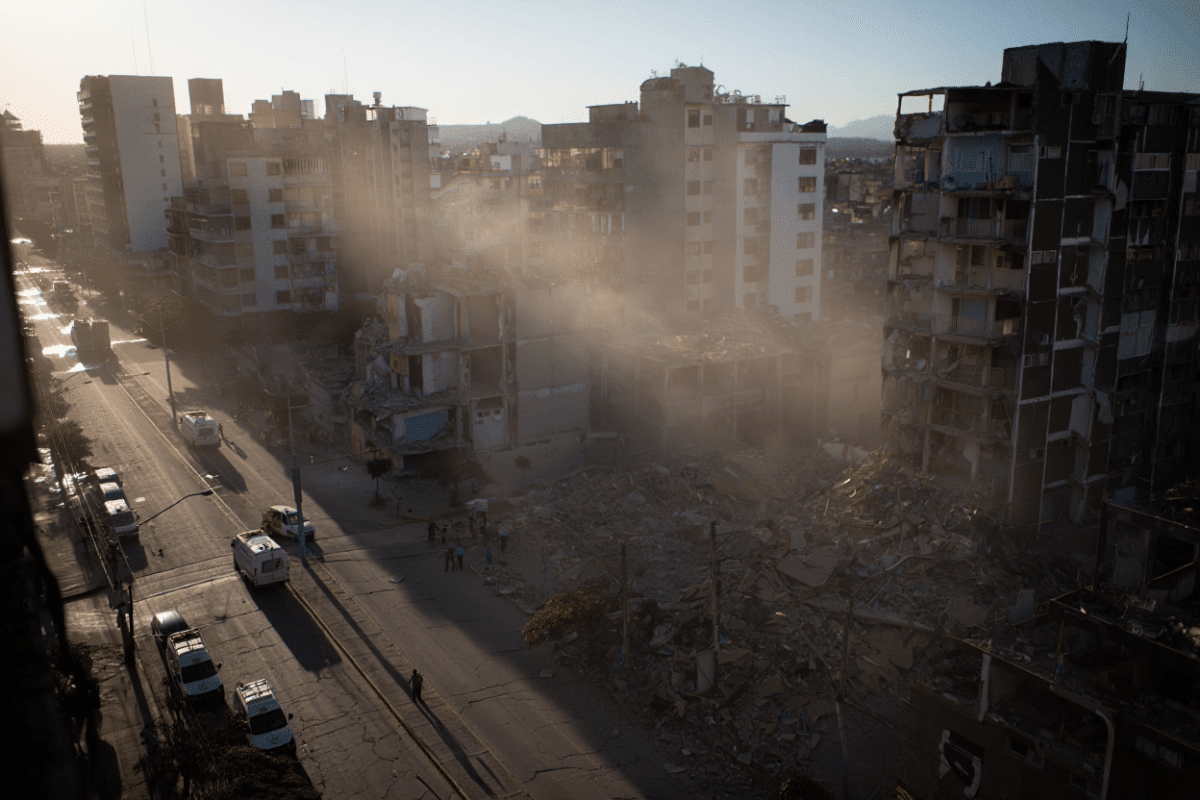
The 7.5 magnitude quake, the larger of the two, struck near the towns of San Felipe and Yumare in Yaracuy state, about 23 kilometers southeast of Yumare. The quakes were shallow and struck near populated areas, multiplying the destruction. Multiple buildings collapsed across Caracas and the coastal state of La Guaira, which was declared a disaster zone, with dozens of structures reduced to rubble.
Rescue teams worked through the night searching for survivors trapped under collapsed buildings. The coastal state of La Guaira, home to Simón Bolívar International Airport, suffered the worst damage. The airport was closed due to severe damage to its infrastructure, disrupting air travel and complicating humanitarian response efforts. Gas service was shut off nationwide to prevent leaks and explosions, and most areas lost power and potable water access.
Economic Impact and International Response
Early modeling from the US Geological Survey estimates economic losses will likely fall between $10 billion and $100 billion, a catastrophic blow to a nation already deep in financial crisis. Venezuela’s GDP has shrunk roughly 80 percent since 2013 due to years of US-led sanctions, hyperinflation, and mismanagement of its oil sector, despite holding the world’s largest proven oil reserves.
Acting President Rodríguez announced she is coordinating with the International Monetary Fund to create an initial fund of $200 million for rebuilding. The US immediately pledged assistance, with Secretary of State Marco Rubio announcing that search and rescue teams, medical resources, and humanitarian aid were being deployed at the direction of President Donald Trump. France deployed 85 specialized search and rescue operators, while Germany offered six A400M transport aircraft. The European Union, China, Brazil, and numerous Latin American nations also offered emergency assistance.
The timing of the disaster compounds Venezuela’s challenges. The country had been cautiously courting foreign oil companies and seeking relief from sanctions under interim leadership following the US capture of former President Nicolás Maduro in January. This natural disaster will severely dampen fragile recovery efforts. Venezuela’s oil infrastructure appeared largely intact, but extended power outages could hit crude output until electricity is restored. The broader economic recovery that the interim government had begun to pursue now faces an enormous reconstruction burden.
The 1997 Cariaco earthquake, which measured 6.9 magnitude and struck in northeastern Venezuela, killed approximately 73 people, according to records. Wednesday’s quakes, which were significantly larger and struck closer to the densely populated capital region, have already exceeded that death toll many times over, underscoring the scale of this disaster and its economic consequences for a nation with limited resources to recover.
Sources
- CNN — Live updates confirming 164 dead, 971 injured, twin quake magnitudes, timing, locations, economic loss estimates, and international aid pledges
- Al Jazeera — Reporting on death toll rising to 164 and international rescue coordination
- The Guardian — Live updates on casualty figures and damage assessment
- Reuters — Confirmation of building collapses and economic impact
- The Times — Historical comparison noting 1997 Cariaco earthquake killed more than 80 people