Iran faces New Zealand on June 15 in Los Angeles in a World Cup opener shadowed by political tensions between the United States and Iran, with the match marking the first time the two nations have met in the tournament’s history.
The fixture at SoFi Stadium arrives just hours after a U.S.-Iran peace deal was announced on June 15, aimed at halting the conflict and reopening the Strait of Hormuz. Yet the agreement has done little to ease the strain surrounding Iran’s participation, with the team forced to commute from Tijuana, Mexico, where it relocated its base camp in May due to visa hurdles and security concerns.
Iran moved from its original training base in Tucson, Arizona, after the Trump administration imposed travel restrictions and visa denials on key federation officials. All 26 Iranian players received permission to enter the U.S. to compete, but 15 members of Iran’s football delegation—mostly administrative, executive, and technical staff—were denied entry, according to Reuters. The State Department said it issued “the necessary visas” and suggested the Iranian team could “abuse this system to sneak terrorists into the United States.”
The Iranian Football Federation has criticized FIFA for failing to intervene, arguing that the visa denials violate guarantees the U.S. made in 2018 to host the World Cup. FIFA stated it has no authority over border enforcement and cannot override host-country policies, according to Reuters.
Iran striker Mehdi Taremi told the BBC that the political climate has weighed on the squad. “This kind of tension undermines the joy of the World Cup,” he said. “I felt the tension from the first moment we arrived. The tension started even before we got here.” Manager Amir Ghalenoei added that the disruption had “impacted the spirit of football” and left the team with little time to adjust after arriving late.
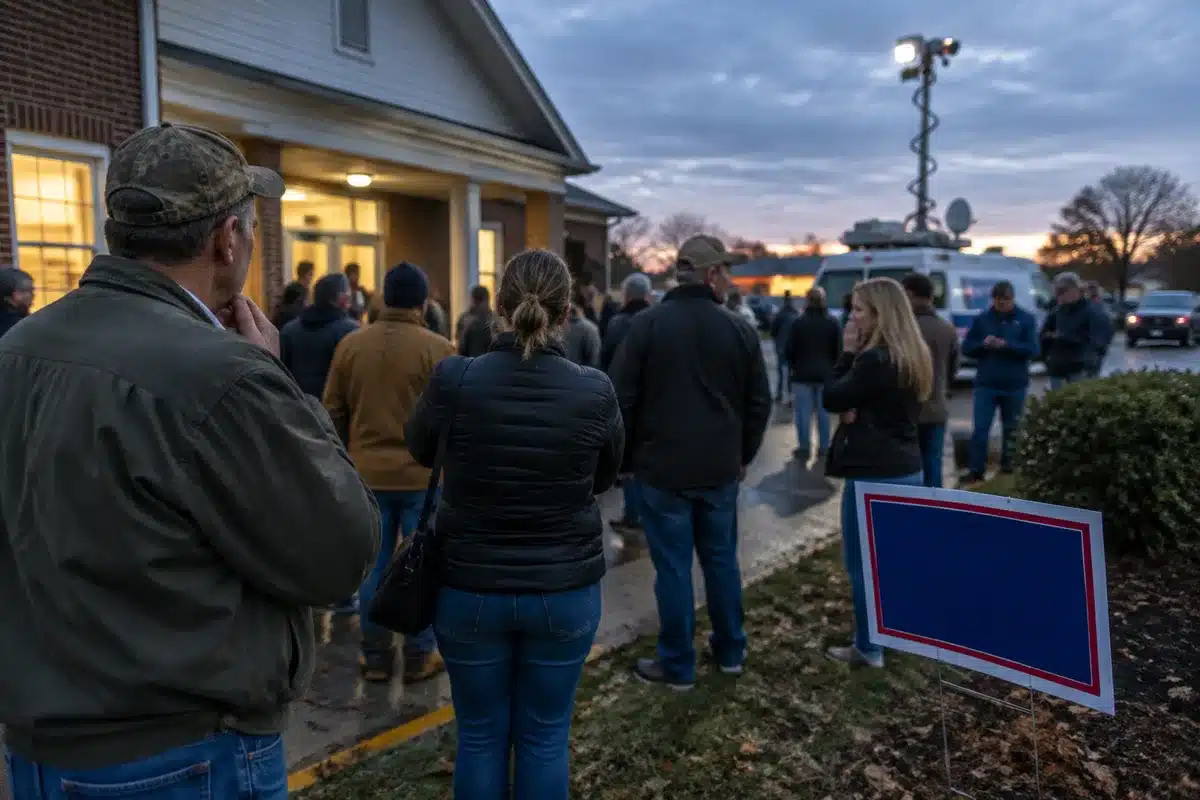
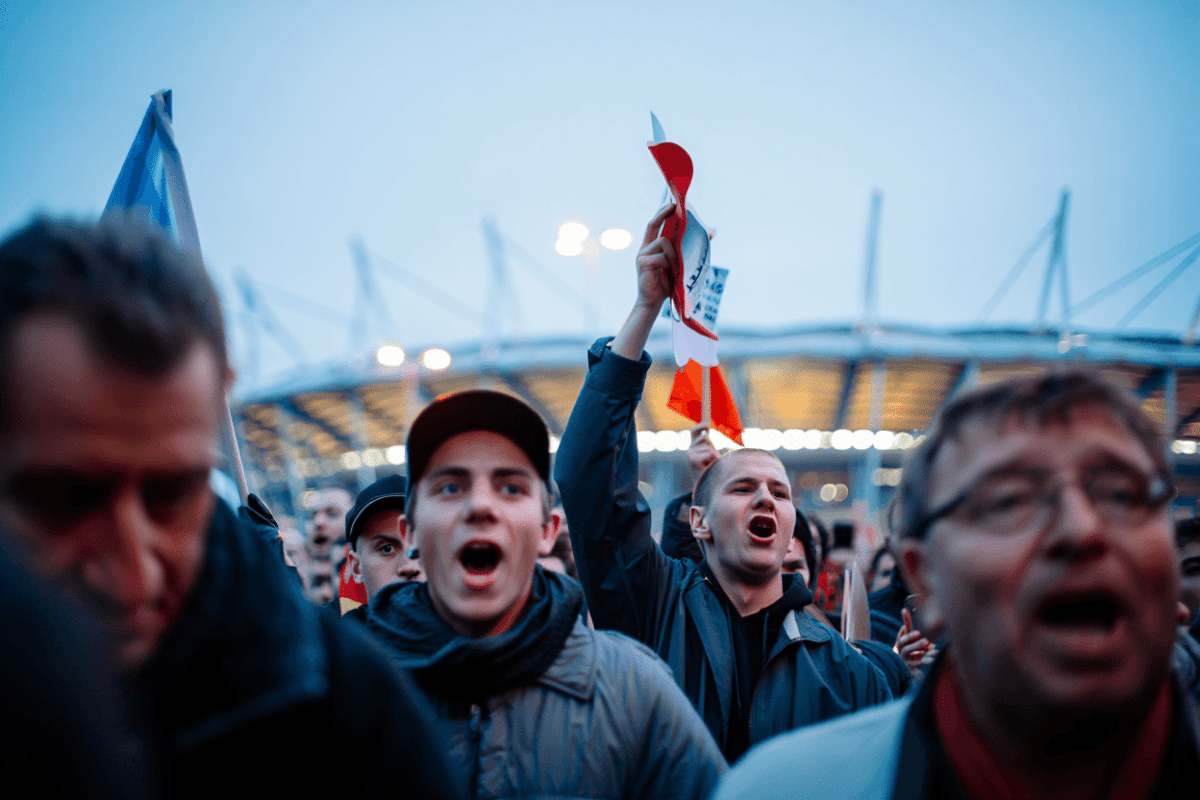
Los Angeles, home to the largest Iranian community outside Iran, has emerged as a focal point for both support and protest. FIFA’s decision to ban the pre-revolutionary Lion and Sun flag—a symbol for many Iranians opposed to the current regime—has drawn criticism from diaspora activists. Activist Arezo Rashidian, who is helping organize demonstrations, told the BBC: “You don’t come to Los Angeles and tell us we can’t fly the Lion and Sun flag. This is the largest Iranian community outside Iran.”
The Iranian community remains deeply divided. Some view the team as an extension of the Islamic Republic and plan to protest, while others see the match as a rare moment of unity and a chance to celebrate Iranian resilience. At Westwood’s Meymuni Cafe, owner Shaheen Ferdowsi is hosting a watch party, hoping the game will bring the community together. “Getting behind a team can bring people together,” Ferdowsi told the Los Angeles Times.
For Iran and New Zealand, the Group G opener carries significance beyond politics. Iran, ranked 21st globally, has qualified for four consecutive World Cups and five of the last six but has never advanced past the group stage. New Zealand, back in the tournament for the first time since 2010, is still seeking its first World Cup victory. Both teams are chasing a long-awaited breakthrough.
The match reflects a historic moment: the United States is the first World Cup host nation to be at war with a tournament qualifier. Iran previously played in the U.S. only once, in January 2000, when it drew 1-1 with the Americans—a game that required months of negotiations and special security exemptions.
Sources
- Reuters — Iran’s World Cup participation, visa denials, base camp relocation, and first World Cup meeting with New Zealand
- BBC Sport — Mehdi Taremi’s comments on political tension, Amir Ghalenoei’s statement, FIFA’s Lion and Sun flag ban, diaspora divisions
- Los Angeles Times — Iranian diaspora reactions, watch parties, visa issues, and community divisions