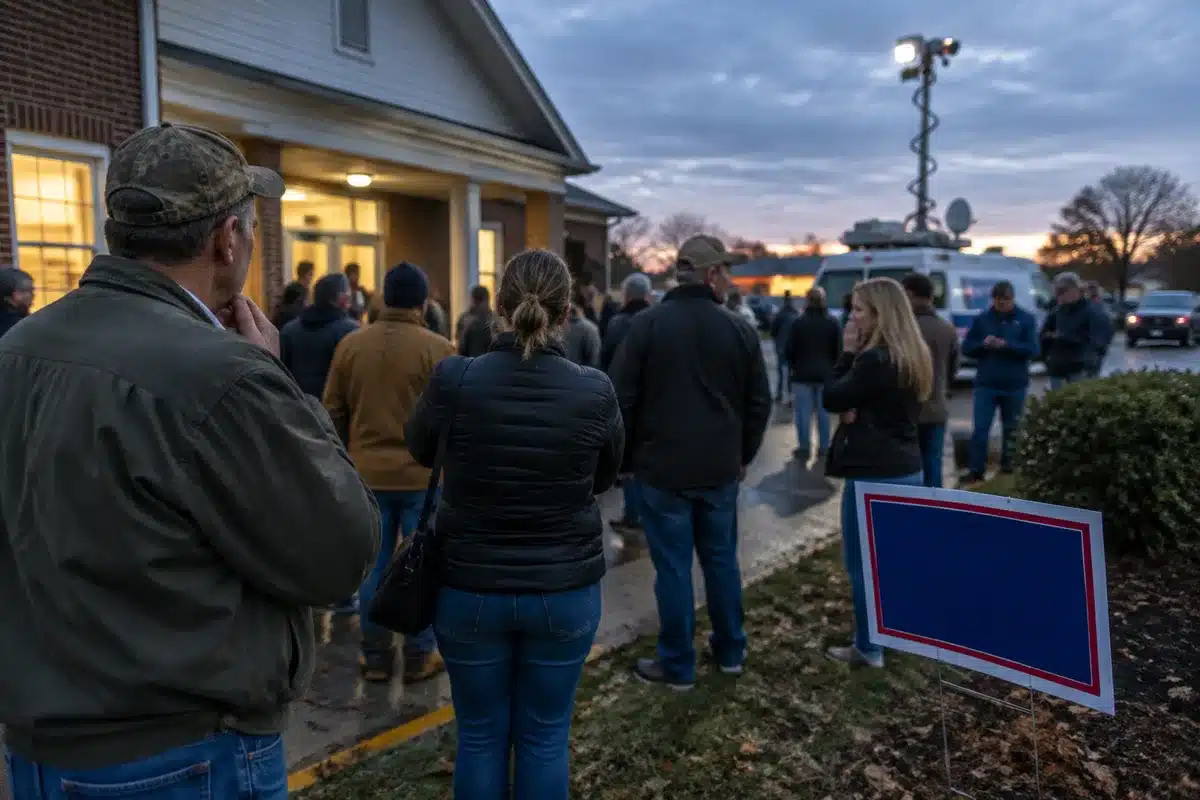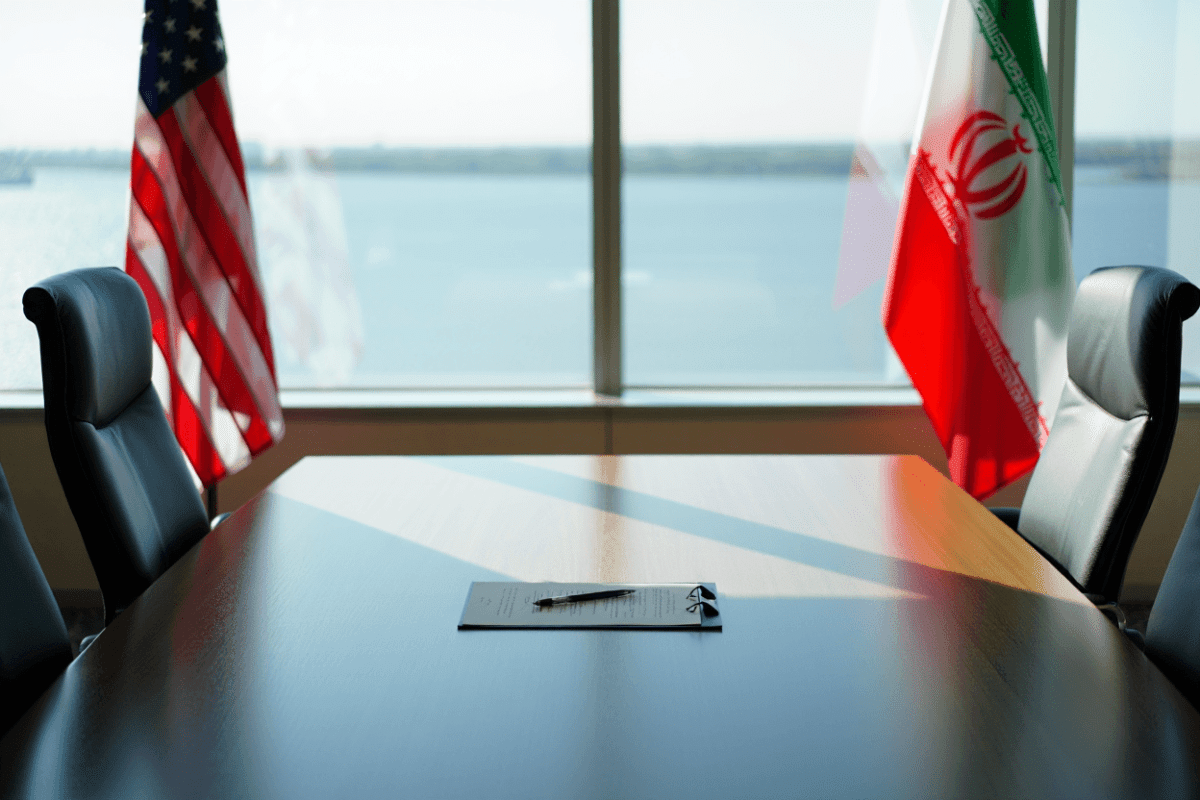
The United States and Iran have reached a framework agreement to end their nearly four-month war and reopen the Strait of Hormuz, according to President Donald Trump and Pakistani mediation officials on Sunday. The deal, described as a memorandum of understanding composed of 14 points, marks a major diplomatic breakthrough after months of intensive negotiations.
Trump announced on Truth Social that he has authorized “the immediate removal of the United States Naval blockade” on Iranian imports and the opening of the strategic waterway. “Ships of the World, start your engines. Let the oil flow!” he wrote. Pakistani Prime Minister Shehbaz Sharif confirmed the agreement minutes later, stating that both sides have declared “the immediate and permanent termination of military operations on all fronts, including in Lebanon.”
The war began on February 28, 2026, when the United States and Israel launched coordinated strikes against Iranian targets, according to multiple sources. The conflict expanded to include regional proxy forces and disrupted global shipping through one of the world’s most critical trade routes. The Strait of Hormuz, through which roughly 20% of the world’s oil passes, became a flashpoint when Iran closed it in response to the U.S. naval blockade imposed in April.
Under the memorandum, Iran commits to reaffirm its commitment under the Nuclear Non-Proliferation Treaty to abstain from producing nuclear weapons, according to details released by Iranian state-affiliated media. The agreement also includes provisions for lifting some oil sanctions and unfreezing an estimated $24 billion in frozen Iranian assets, with half to be released before final negotiations begin. Final negotiations on Iran’s nuclear program will have a 60-day window, according to reporting from Iranian state media.
A signing ceremony is scheduled for Friday, June 19, 2026, in Switzerland, according to Pakistani officials. Trump told the Wall Street Journal the deal would be signed either electronically by him or in person by Vice President JD Vance. Vance said on Fox News that “the logistics of the signing ceremony are still being worked out” but that he planned to attend.
Oil markets reacted immediately to the announcement. U.S. crude oil fell more than 4.5% to $80 per barrel, its lowest level since early March, as trading opened Sunday evening, according to NBC News. Brent crude oil also tumbled by about 4% to $83, touching its lowest level since early March as well. Despite the decline, oil prices remain more than 20% higher since the war started and more than 40% higher since the beginning of the year.
The agreement faced immediate complications. Israeli forces struck Beirut’s southern suburbs on Sunday in retaliation for an earlier attack on Israeli territory, with Lebanon’s Civil Defense Ministry reporting three killed. Trump responded on Truth Social, saying the strikes “should not have happened, particularly on a special day when we are so close to a Peace Deal with Iran,” and called for all sides to “stand down.” Israel, the U.S. partner in the war, said its military attacked Hezbollah targets but made no public comment on Trump’s criticism.
World leaders welcomed the announcement. United Nations Secretary-General António Guterres called it “a critical step towards the peaceful settlement of the conflict” and a “permanent ceasefire” for the warring nations. Turkish President Recep Tayyip Erdogan said he hoped it would “pave the way for the establishment of a lasting environment of peace and security.” French President Emmanuel Macron emphasized that “the resumption of maritime traffic, without restrictions or tolls, is an essential condition for regional stability and the global economy.”
The deal’s vagueness and the phased approach to sanctions relief are likely to draw criticism. Iran has previously committed to nuclear restraint under the 2015 Joint Comprehensive Plan of Action, which Trump abandoned during his first term. The new agreement leaves unresolved Iran’s missile program and its support for regional “resistance groups,” according to Iranian state media reports on the memorandum.
The conflict has killed thousands. The U.S.-based rights group HRANA documented more than 3,600 people killed in Iran, including more than 1,700 civilians, since late February. More than 3,700 people have been killed in Lebanon, 36 in Gulf states, and 20 in Israel, according to NBC News. Thirteen U.S. service members have been killed, and two more died of noncombat causes.
Sources
- NBC News — confirmed the deal’s announcement, 14-point memorandum structure, nuclear commitment, oil price reaction, and casualty figures
- Los Angeles Times — confirmed the framework agreement, Iran’s nuclear commitment, naval blockade lifting, and details on frozen assets
- CGTN — confirmed the deal framework, blockade lifting timeline, and military operations ceasefire
- Reuters — confirmed oil price reaction and memorandum details on Strait reopening
- Al Jazeera — confirmed deal announcement and oil market response
- BBC — confirmed oil price decline following the announcement
- Wikipedia — confirmed war start date of February 28, 2026, and duration
- The New York Times — confirmed war timeline and casualty context