
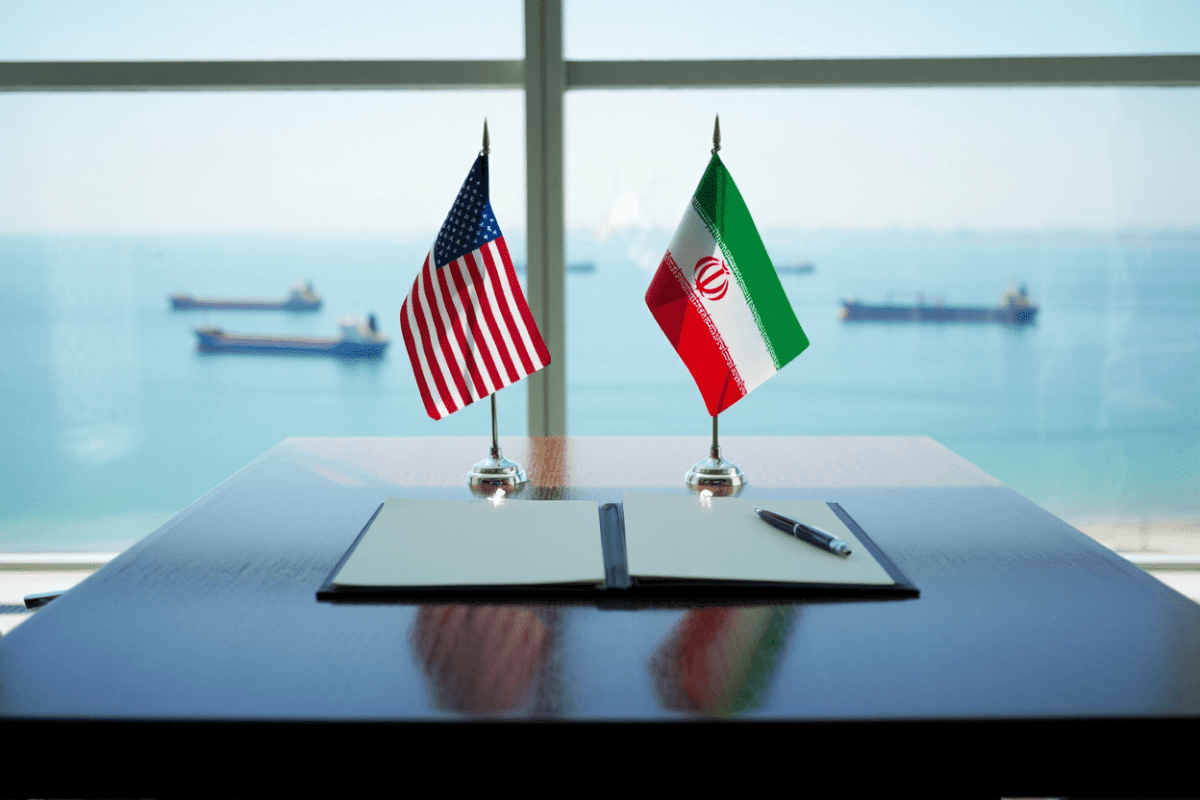
President Donald Trump announced on Truth Social Saturday that a U.S.-Iran deal to end their war would be signed Sunday, with the Strait of Hormuz to reopen immediately after, though Iran cast doubt on the timing of the signing.
“The Deal is scheduled to get signed tomorrow, and immediately after it is signed, the Hormuz Strait is OPEN TO ALL,” Trump wrote in his Truth Social post on June 13. He added that the U.S. would work with Iran to remove enriched uranium from the country at an undetermined date, saying “we will go in and get the Nuclear Dust, buried deep under the powerful sunken granite mountains.”
The announcement came after Pakistan’s Prime Minister Shehbaz Sharif said Friday that the U.S. and Iran have agreed to wording of an agreement aimed at ending their war. Sharif stated on X that “Peace has never been this close as it is now,” and that Pakistan, which has taken the lead in mediation efforts, was working with both sides on next steps. Pakistani Deputy Prime Minister Mohammad Ishaq Dar said he discussed the impending peace agreement in a call with Saudi Arabia’s foreign minister, Prince Faisal bin Farhan, noting an “electronic signing ceremony scheduled for tomorrow.”
The proposed deal includes a 60-day ceasefire extension during which the Strait of Hormuz would be reopened, according to sources familiar with the negotiations. Iran’s Foreign Minister Abbas Araghchi said Friday that an agreement “has never been closer” and that terms dealing with Iran’s nuclear program would be finalized in the 60 days after the initial agreement is signed. Araghchi stated that Iran wants a deal allowing Tehran to charge ships “for services rendered” when they transit the Strait of Hormuz, saying “there will be costs involved, and those costs must be paid.”
However, Iran’s state media reported Saturday that the country remained cautious about Trump’s timeline. Iran’s Fars news agency quoted a “knowledgeable source close to Iran’s negotiating team” as saying that Iran has yet to announce a final decision on “the proposed understanding with the United States,” adding that political, legal, and technical reviews of the proposals are still underway. On Saturday, Iranian Foreign Ministry spokesperson Esmaeil Baghaei was quoted by state media as saying that caution was needed regarding the timing of signing any deal. “We will have to wait and see about the exact date of the signing of the memorandum of understanding, although it will not be tomorrow,” state media reported, noting that “the possibility of this happening in the coming days cannot be ruled out.”
Trump’s post concluded with what appeared to be a veiled threat against Iran if its leaders don’t comply with U.S. demands. “Hopefully, this process will all work out quickly, easily, and smoothly. If it doesn’t, we have the ultimate alternative, hopefully never to be used again!” The White House did not immediately respond to requests for clarification on Trump’s remarks.
A senior U.S. administration official said Friday that the emerging agreement would begin the process of destroying or removing Tehran’s highly enriched uranium, with the 60-day period after both sides sign the deal used to work out technical details. The official said the emerging agreement includes provisions for reopening the Strait of Hormuz, a vital shipping lane for oil and natural gas that Iran had effectively closed during the conflict.
The deal was largely being brokered by Pakistan, led by its army chief Field Marshal Asim Munir, with backing from Saudi Arabia, Turkey, Egypt, and Qatar. Iran’s Foreign Minister Araghchi said both sides were working toward signing an initial agreement declaring an end to the war “on all fronts, including Lebanon.” Israel, which has been fighting the Iranian-allied militia Hezbollah in Lebanon since early March, is not a party to the negotiations and has said it doesn’t plan to withdraw from Lebanon.
Sources
- CNBC — Trump’s Truth Social post announcing the deal signing and Strait of Hormuz reopening; Iran’s cautious response via state media
- AP News — Pakistan’s Prime Minister Shehbaz Sharif’s statement that U.S. and Iran agreed to deal wording; Iranian Foreign Minister Abbas Araghchi’s comments; details on the 60-day ceasefire extension and uranium removal process
- Reuters — Trump’s announcement of deal signing on Sunday via Truth Social post
- Al Jazeera — Pakistan’s mediation role and announcement of ceasefire agreement; Iranian official statements on deal timing
- NBC News — Trump’s Truth Social post stating deal will be signed June 14 and Strait of Hormuz will reopen immediately after










