
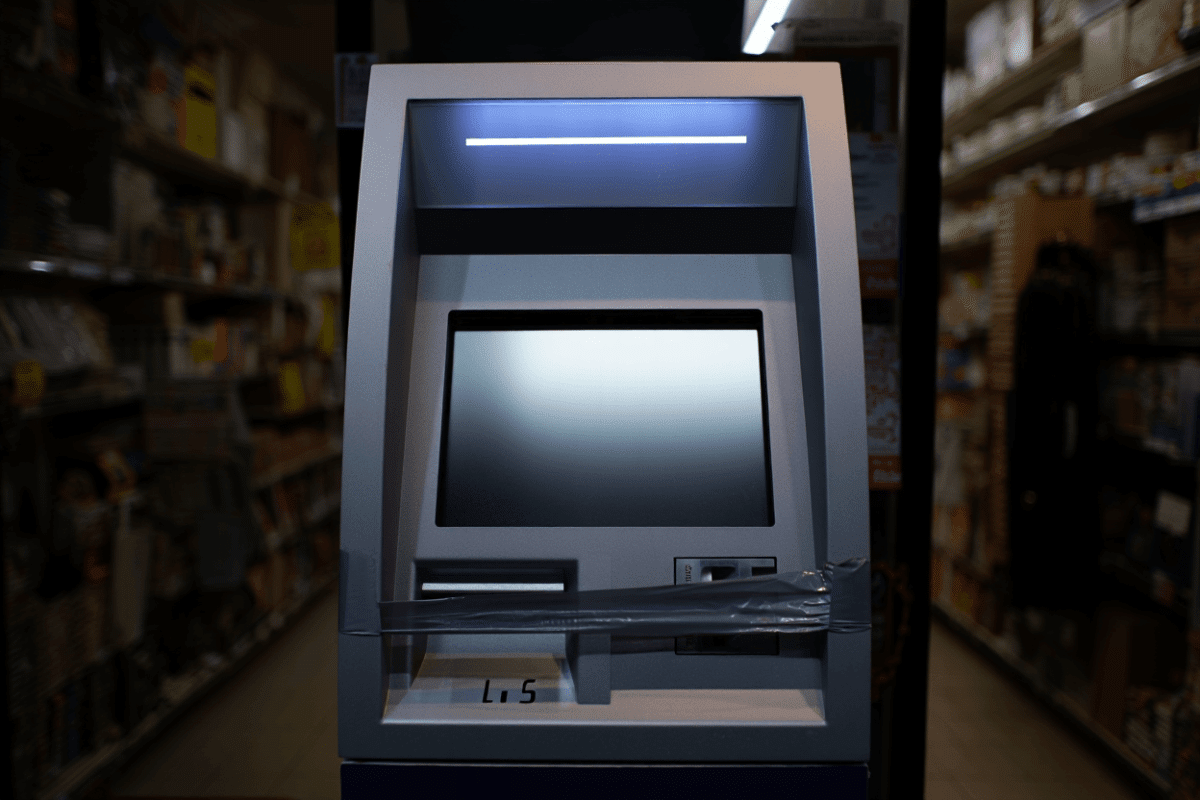
Bitcoin Depot, the largest bitcoin ATM operator in North America, filed for Chapter 11 bankruptcy on May 18, 2026, and shut down its entire network of over 9,000 cryptocurrency ATMs, marking the collapse of the industry’s dominant player amid tightening state regulation and mounting fraud allegations.
CEO Alex Holmes blamed the bankruptcy on a rapidly shifting regulatory landscape. “States have imposed increasingly stringent compliance obligations, including new transaction limits, and in some jurisdictions, outright restrictions or bans on BTM operations,” Holmes said in the company’s bankruptcy filing. “These developments have materially affected Bitcoin Depot’s business and financial position. Under these circumstances, the Company’s current business model is unsustainable.”
The Atlanta-based company disclosed a 49.2% revenue decline in the first quarter of 2026 compared to the same period a year earlier, posting an $80.7 million loss in revenue, according to filings reviewed by Banking Dive. The company attributed the drop to “a decrease in transaction volume driven by a combination of regulatory impacts and enhanced compliance controls.”
The bankruptcy comes as states across the country move to restrict or ban crypto ATMs entirely. Indiana became the first state to prohibit virtual currency kiosks in March 2026, followed by Tennessee in April, with the ban taking effect July 1. Delaware and New Jersey are advancing similar legislation, according to recent reports. Twenty states have already adopted new laws restricting crypto ATM activity, according to the ABA Banking Journal.
Regulatory pressure on Bitcoin Depot intensified after attorneys general from Massachusetts and Iowa sued the company in February 2025, alleging it facilitated scams that cost residents more than $20 million. The Iowa Attorney General’s office said Bitcoin Depot took a 23% share of the money Iowans sent through the machines. Crypto ATMs were used in scams resulting in $389 million in reported losses nationwide in 2025, according to FBI data cited by AARP, drawing heavy regulatory scrutiny and consumer protection concerns.
Holmes, who took over as CEO in March 2026 after Scott Buchanan stepped down, said the company had strengthened its protocols to combat fraud, including enhanced identity verification and customer fraud warnings. “Nevertheless, the regulatory environment for BTM operators has shifted significantly,” he said. The company’s stock price fell 75% between Friday and Monday following the bankruptcy announcement, dropping to 75 cents per share.
Restructuring adviser Roshan Dharia, CEO of Echo Base Global, characterized Bitcoin Depot’s collapse as a preview of broader industry challenges ahead. “The traditional model depended on high transaction spreads and limited regulatory scrutiny to offset unusually high compliance, cash logistics, fraud remediation, and retail revenue sharing costs,” Dharia said in a note to Banking Dive. “That equation is breaking down as states increasingly impose consumer protection standards that compress fees, expand operator liability for scam related activity, and raise expectations around transaction monitoring and reimbursement.”
Sources
- Bitcoin Depot Investor Relations — official press release announcing Chapter 11 filing, CEO statement, and company history
- Banking Dive — Q1 2026 revenue figures, CEO quote on regulatory environment, stock price decline, attorney general lawsuits, restructuring adviser analysis
- AARP — $389 million in crypto ATM fraud losses in 2025, state regulatory actions
- ABA Banking Journal — twenty states adopted new crypto ATM restrictions as of April 2026
- CoinDesk — network size (9,000+ ATMs) and market position confirmation
- BeInCrypto — CEO statement on state bans, transaction caps, and litigation










