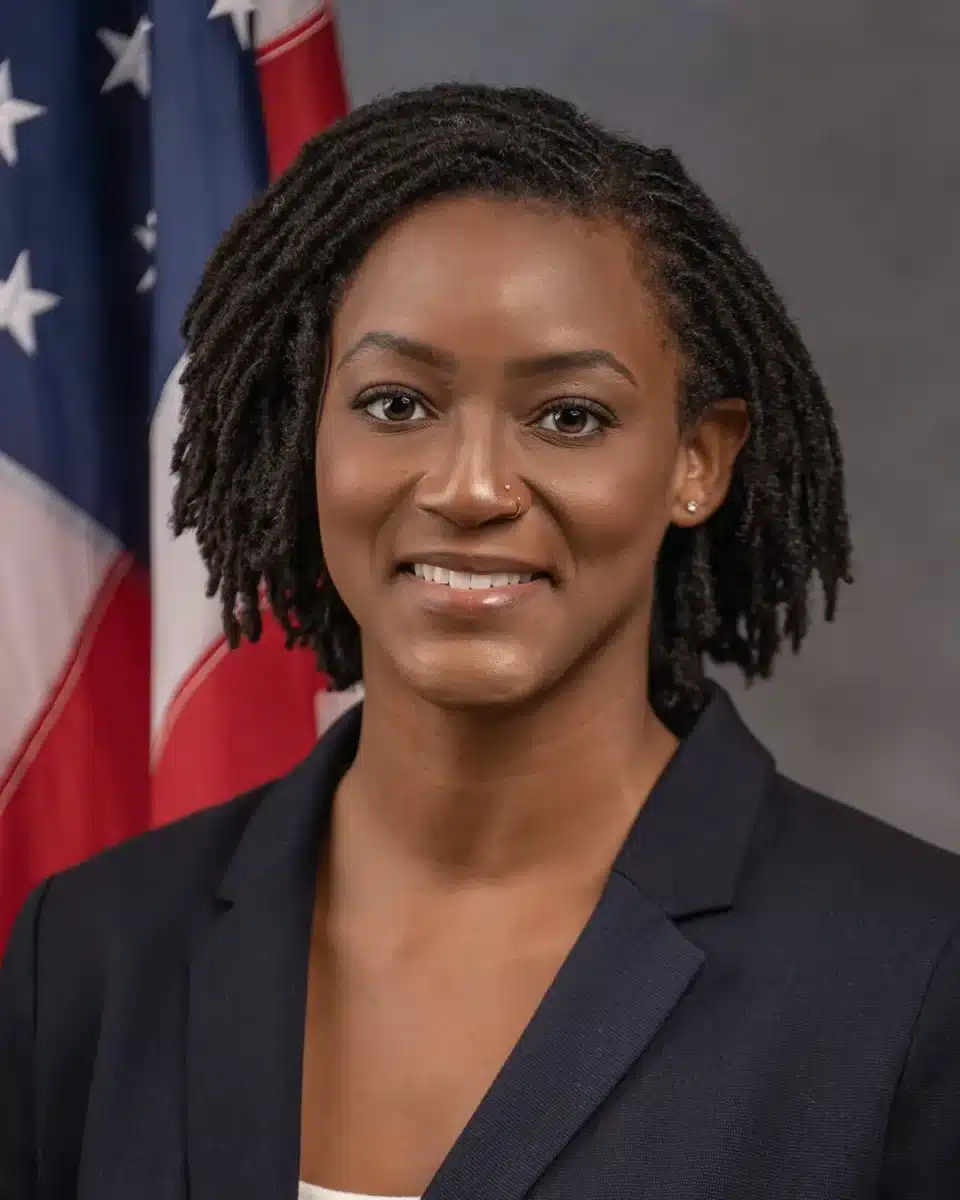
Graham Platner won Maine’s Democratic Senate primary on June 9, 2026, securing the nomination to challenge Republican Senator Susan Collins in a closely watched November general election that could help determine control of the U.S. Senate.
Platner, a combat veteran and oyster farmer, clinched the nomination at 9:25 p.m. with just 8% of precincts reporting, according to the Associated Press. He won with approximately 72% of the primary vote, according to Wikipedia, a landslide that reflected his ability to energize Democratic voters despite a series of controversies that dogged his campaign in the final weeks.
The victory marked a stunning political ascent for Platner, who launched his campaign in August 2025 as a political unknown. Born and raised in coastal Maine, he enlisted in the Marine Corps after graduating from high school and served eight years, including three combat tours in Iraq as a Marine and one in Afghanistan with the Maryland Army National Guard, according to Wikipedia.
Platner’s campaign resonated with Democratic voters hungry for an anti-establishment message. He was endorsed early by independent Senator Bernie Sanders and built momentum through town halls and grassroots organizing. His message centered on taxing the wealthy and providing Medicare for all, appealing to voters frustrated with the Democratic Party’s direction after its 2024 loss to Donald Trump.
The week before the primary brought a fresh wave of negative coverage. The New York Times published accounts from several of Platner’s ex-girlfriends alleging disturbing past behavior, and reporting emerged that he had exchanged sexual messages with women while married. Platner denied being physically violent but admitted to being a “bad boyfriend” in past relationships. Despite these revelations, Maine voters gave him a decisive victory.
“We will take back this Senate seat and when we do we will take back our power,” Platner said after the race was called, speaking at the Downeast YMCA in Blue Hill. He acknowledged his personal struggles: “This is the state that raised me and this is the state that saved me. I’m still far from perfect, but everyday I wake up and try to be a little bit better.”
In the Republican primary, Senator Collins ran unopposed and easily advanced to the general election. She has held her seat since 1996 and is the only Republican member of the U.S. Senate in New England.
The Democratic establishment, which had recruited Governor Janet Mills to run against Collins, largely lined up behind Platner after his primary victory, though some did so with visible reluctance. Senate Minority Leader Chuck Schumer and Democratic Senatorial Campaign Committee Chair Kirsten Gillibrand said in a statement that “in November, Maine voters will elect Graham Platner, and we will win a Senate majority,” according to Politico. Senate Majority PAC, aligned with Democratic leadership, focused on contrasting Platner’s agenda with Collins’ record.
Mills, who suspended her campaign in late April after trailing Platner in polls and fundraising, did not endorse Platner after his primary win. She finished second in the primary and has yet to publicly support him. Some of her surrogates have continued to question whether Platner can defeat Collins, who has beaten back every Democratic challenger since her first election in 1996.
Progressives who backed Platner early celebrated the victory as validation of their strategy. Adam Green, co-founder of the Progressive Change Campaign Committee, said the result should be “a wake-up call for a Democratic establishment that has spent too long underestimating the appeal of economic populism and outsider politics,” according to Politico.
Republicans wasted no time attacking Platner. The National Republican Senatorial Committee and Senate Leadership Fund, along with pro-Collins groups, have already booked nearly $70 million in television ad time through the general election, compared to $26 million booked by Democratic groups, according to Politico.
Sources
- Maine Public — Platner’s primary victory, his background as a Marine and oyster farmer, and the Democratic response to his win
- Politico — Democratic establishment’s reaction to Platner’s primary win, his controversies, and Republican campaign spending
- Wikipedia — Platner’s military service record, primary vote percentage, and biographical details
- Associated Press — Primary results and timing of Platner’s nomination