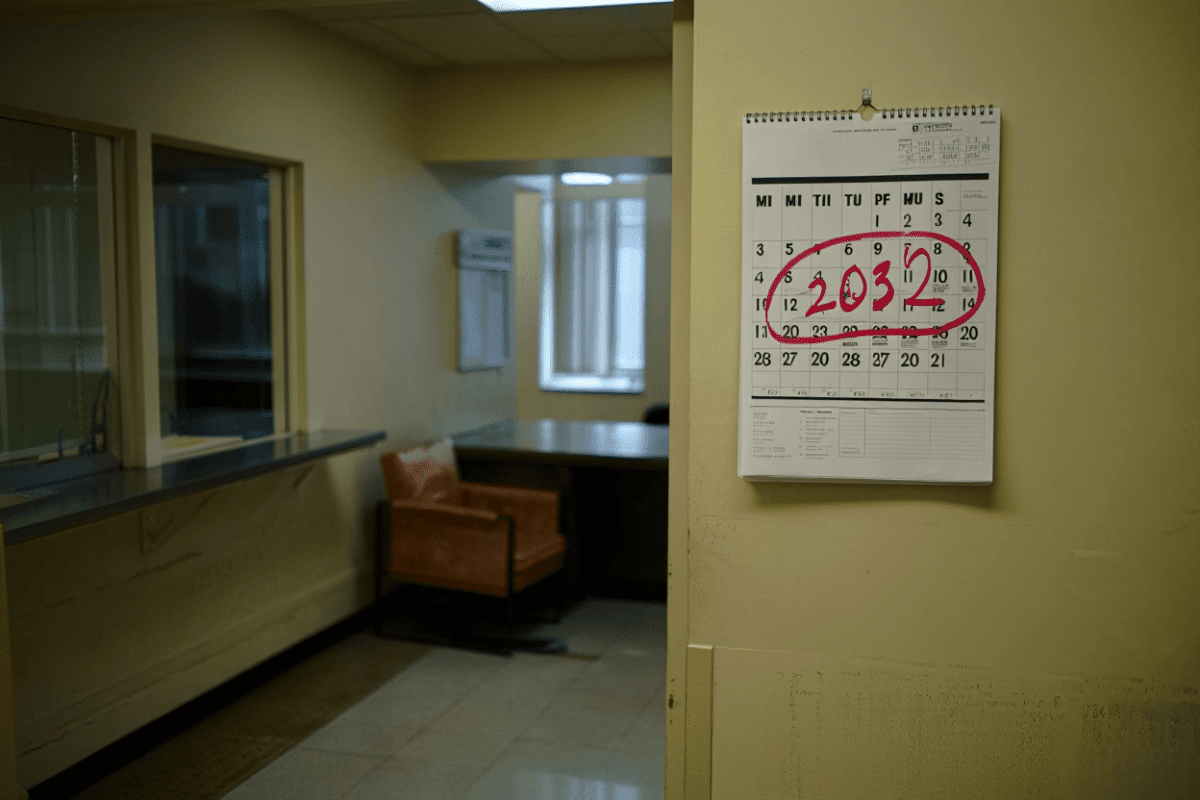
Social Security’s retirement trust fund is projected to run dry by late 2032, triggering an automatic 24% cut to benefits unless Congress acts, according to a new analysis from the Committee for a Responsible Federal Budget released June 3, 2026. The social security funding shortfall would leave the average retiree facing a monthly benefit cut of about $500 nationally.
The trust fund exhaustion would force benefits to be reduced across the board to match incoming payroll tax revenue. By law, Social Security cannot pay out more than it receives once reserves are depleted. The 24% reduction would affect all 63 million beneficiaries—including retired workers, spouses, and dependents—regardless of age or income.
The Committee for a Responsible Federal Budget’s “No State Spared” report shows that 29 states would see average monthly cuts exceeding $500, with Connecticut facing the largest reduction at $556 per month. The cuts would impact between 10% to 23% of each state’s population, the analysis found. At the national level, a 24% reduction would amount to $345 billion annually, representing 1.1% of GDP.
The trust fund depletion date has moved up one year from the previous 2033 projection, according to the Social Security Administration, citing the One Big Beautiful Bill Act’s effect on taxation of benefits. Even after trust fund exhaustion, Social Security would continue collecting payroll taxes and paying reduced benefits automatically.
Sources
- CBS News — verified the 24% benefit cut projection, $500 monthly reduction, and June 2032 trust fund depletion date from the Committee for a Responsible Federal Budget analysis
- Committee for a Responsible Federal Budget — released the “No State Spared” report on June 3, 2026, with state-by-state benefit cut estimates and the 24% across-the-board reduction upon insolvency
- Social Security Administration — confirmed the 2032 insolvency date for the OASI trust fund and the shift from the previous 2033 projection